2025 Top Replacement Timber Windows: Benefits, Costs, and Installation Tips
As homeowners increasingly prioritize energy efficiency and aesthetic appeal, the demand for Replacement Timber Windows is on the rise. These windows not only enhance the character of a home but also offer superior insulation and sustainability compared to traditional options. Expert architect Sarah Thompson notes, "Investing in Replacement Timber Windows not only elevates a home's design but also contributes to long-term savings on energy bills."
In the journey to selecting the ideal windows, various factors come into play, including understanding the benefits, estimating costs, and ensuring proper installation. With evolving technology and design trends, Replacement Timber Windows present unique opportunities to blend classic style with modern performance. This article explores the myriad advantages these windows offer, delves into the associated costs, and provides essential tips for a seamless installation process. Whether you are aiming to upgrade your home's energy efficiency or enhance its charm, understanding the intricacies of Replacement Timber Windows is crucial for making informed decisions.
Benefits of Replacement Timber Windows: Energy Efficiency and Aesthetics
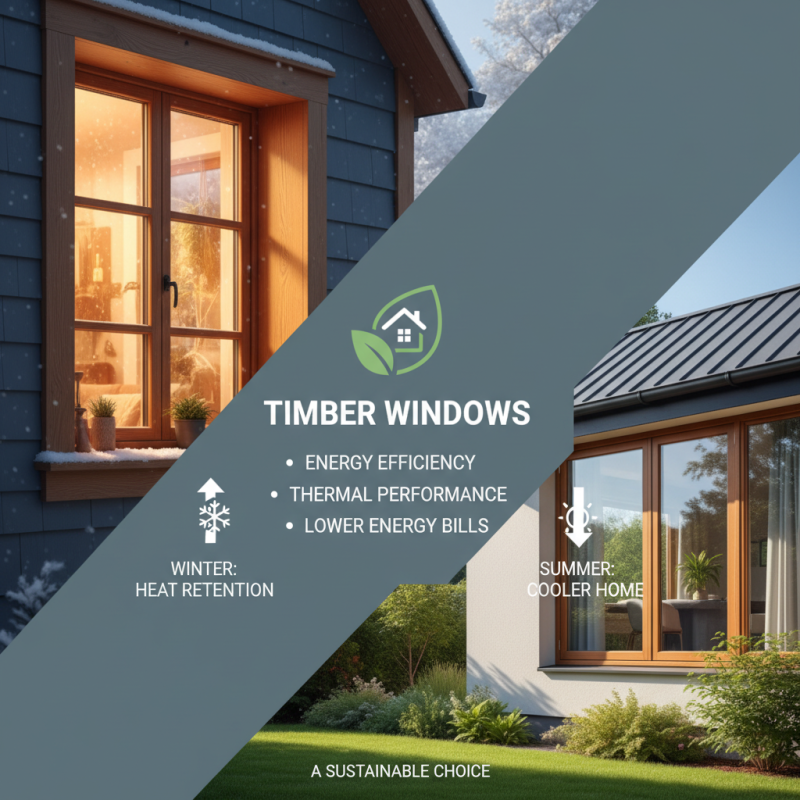
When considering replacement timber windows, one of the primary benefits lies in their exceptional energy efficiency. Timber, as a natural insulator, helps maintain comfortable indoor temperatures by reducing heat loss in colder months and minimizing heat gain in the summer. This characteristic not only contributes to a more stable indoor environment but also leads to lower energy bills over time. By upgrading to modern timber windows, homeowners can significantly enhance their property's thermal performance, making them a more sustainable choice in the long run.
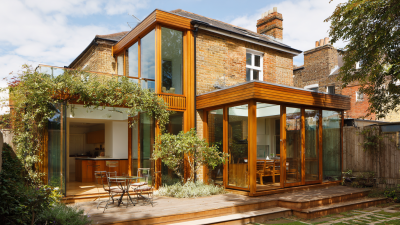
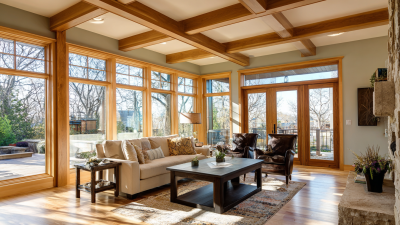
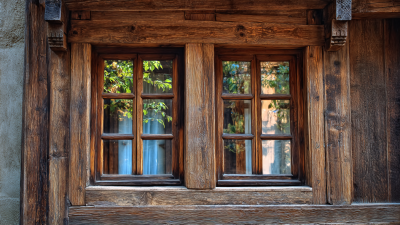
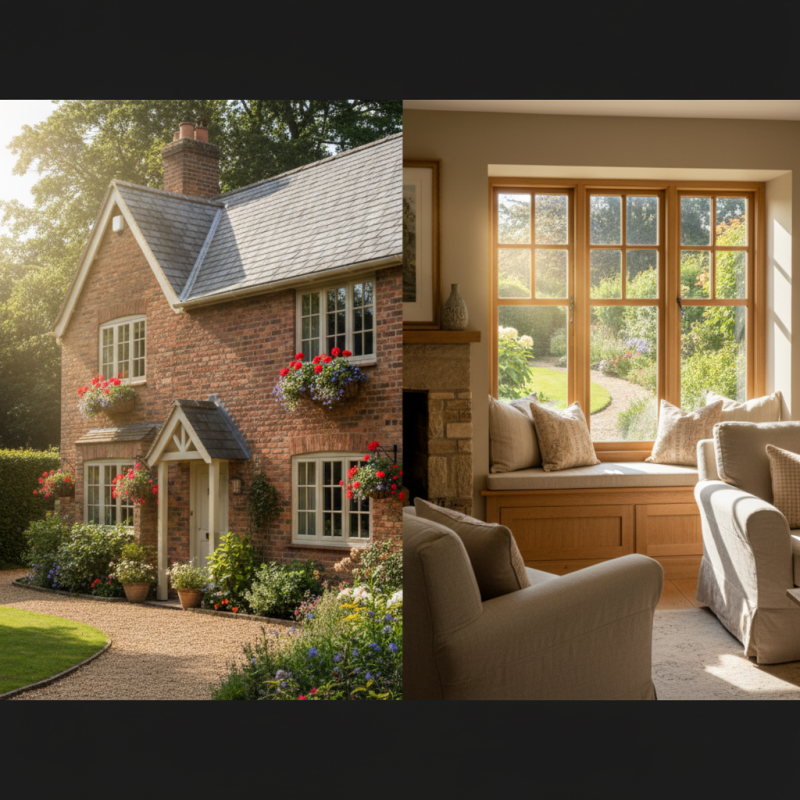
In addition to their energy-saving abilities, replacement timber windows offer aesthetic advantages that can't be overlooked. Timber possesses a unique, warm appeal that enhances the beauty of any home, whether it follows a traditional or contemporary design. The versatility of timber allows for a variety of finishes and customization options, enabling homeowners to match their windows to the specific architectural style of their house. Furthermore, timber's natural grain and texture add character and charm that synthetic materials often lack, making it a popular choice for those looking to elevate the overall curb appeal of their property.
Cost Analysis of 2025 Timber Window Options: Budgeting for Homeowners
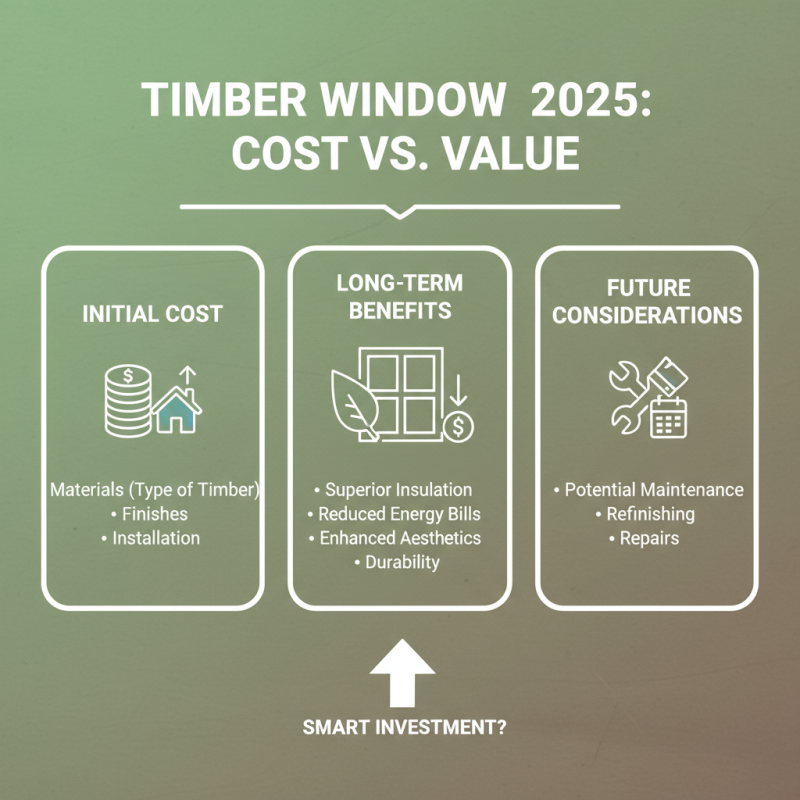
When considering the cost analysis of timber window options for 2025, homeowners need to evaluate various factors that impact overall budgeting. The initial investment in timber windows can be higher than other materials, but it's essential to consider the long-term benefits and savings. High-quality timber windows not only enhance a home's aesthetic appeal but also provide superior insulation, potentially reducing energy bills over time. Homeowners should estimate the cost of materials, which can vary significantly based on the type of timber chosen, and consider additional expenses such as finishes, installation, and potential maintenance in the future.
Installing timber windows involves various costs that can fluctuate based on the complexity of the project. Professional installation is advised to ensure optimal performance and longevity, which often comes with its own price tag. Budgeting should also account for any necessary preparatory work such as frame repairs or structural adjustments prior to installation. By understanding these cost dynamics, homeowners can develop a realistic budget that aligns with their preferences, maximizing both the beauty and functionality of their investment in timber windows.
Installation Tips for Timber Windows: Best Practices for Longevity
When installing timber windows, adhering to best practices is essential for ensuring their longevity and optimal performance. First and foremost, it is vital to select high-quality timber suited to local climate conditions. This choice not only enhances durability but also minimizes the risk of warping or decay. Additionally, proper sealing and treatment of the wood are crucial, as they protect against moisture infiltration and pest damage, which can compromise the integrity of the windows over time.
Another important aspect of installation is ensuring a proper fit within the existing frame. This involves precise measurements to avoid gaps that can lead to energy inefficiencies and air leakage. During installation, utilizing shims can help achieve a level and plumb position, which is essential for the windows to operate smoothly. Furthermore, employing Flashing around the windows is recommended to divert water away from the structure, preventing potential rot. Regular maintenance checks, including repainting and resealing, will also help extend the life of timber windows, allowing homeowners to enjoy their aesthetic and functional benefits for many years.
2025 Top Replacement Timber Windows: Benefits, Costs, and Installation Tips
This chart illustrates the estimated average costs and benefits associated with different types of timber windows in 2025. The benefits are represented as percentages of homeowners who reported satisfaction, while the costs provide an average installation cost per window.
Comparative Performance Metrics: Timber Windows vs. Other Materials
When comparing timber windows to other materials such as vinyl or aluminum, it’s essential to consider various performance metrics. Timber windows often excel in thermal performance, demonstrating superior insulation properties. A study by the Window and Door Manufacturers Association (WDMA) highlights that timber frames can provide up to a 15% better insulation value compared to vinyl windows, largely due to the natural air pockets within the wood structure. This enhanced thermal efficiency can significantly reduce energy bills, making timber windows an environmentally sound option for homeowners.
Moreover, durability and longevity are critical factors in window selection. According to the National Association of Home Builders (NAHB), timber windows can last over 50 years with proper maintenance, while vinyl windows typically have a lifespan of about 20-30 years. The ability of timber to endure harsh weather conditions, coupled with its resistance to warping and fading, adds to its appeal. Furthermore, with advancements in protective coatings, modern timber windows require less maintenance than their predecessors, making them a viable choice for those prioritizing long-term value.
Aesthetic appeal is another area where timber windows stand out. Many homeowners value the classic, warm look of wood, which can enhance the overall character of a home. In a recent survey conducted by the National Remodeling Association, over 70% of respondents indicated that they prefer the appearance of timber windows compared to other materials. This preference not only impacts individual home value but contributes to the overall desirability of neighborhoods, showcasing timber windows as a worthwhile investment in both functionality and design.
2025 Top Replacement Timber Windows: Benefits, Costs, and Installation Tips
| Window Type |
Energy Efficiency (U-Value) |
Cost per Window ($) |
Lifespan (Years) |
Installation Difficulty |
| Timber Windows |
1.2 |
800 |
30 |
Medium |
| Vinyl Windows |
1.3 |
500 |
20 |
Easy |
| Aluminum Windows |
1.5 |
700 |
30 |
Medium |
| Fiberglass Windows |
1.0 |
900 |
40 |
Hard |
Choosing Sustainable Timber: Environmental Impact and Sourcing Considerations
Choosing sustainable timber for replacement windows involves careful consideration of environmental impact and sourcing practices. Sustainable timber is sourced from responsibly managed forests, promoting biodiversity and ecosystems while minimizing deforestation. These forests are often certified by recognizable standards that ensure practices are in place to protect wildlife and regenerate resources. By opting for timber that meets these sustainability criteria, homeowners not only contribute to environmental preservation but also support local economies that prioritize green practices.
When sourcing sustainable timber, it is essential to investigate the origin of the wood. Look for local suppliers who can provide transparency about their sourcing methods, which can significantly reduce carbon footprints associated with transportation. Additionally, considering species of wood that are naturally abundant and resilient can help ensure the long-term viability of timber resources.
This approach not only enhances the aesthetic and functional qualities of replacement windows but also reinforces a commitment to ecological responsibility. By being mindful of these factors, homeowners can make informed choices that align with both their values and their desire for durable, high-quality replacement windows.