Top 10 Advantages of Wood Frame Windows for Your Home Renovation
When it comes to home renovation, choosing the right materials is crucial for both aesthetic appeal and functionality. Among the myriad of options available, **Wood Frame Windows** stand out as a timeless and practical choice. Renowned for their beauty and energy efficiency, these windows not only enhance the overall look of your home but also contribute significantly to its value. As we delve into the top 10 advantages of Wood Frame Windows, it becomes evident that they offer a perfect blend of performance and style, making them an ideal addition to any renovation project.
In today’s market, homeowners are increasingly inclined to consider sustainable and environmentally friendly options. Wood Frame Windows are crafted from renewable resources, making them an eco-conscious choice that aligns with modern sustainability goals. Their excellent insulation properties help reduce energy costs, providing long-term savings while simultaneously enhancing indoor comfort. From improving energy efficiency to offering design versatility, the benefits of Wood Frame Windows are numerous, making them a favorite among architects and homeowners alike. Join us as we explore the compelling reasons to integrate Wood Frame Windows into your upcoming renovation plans in 2025.
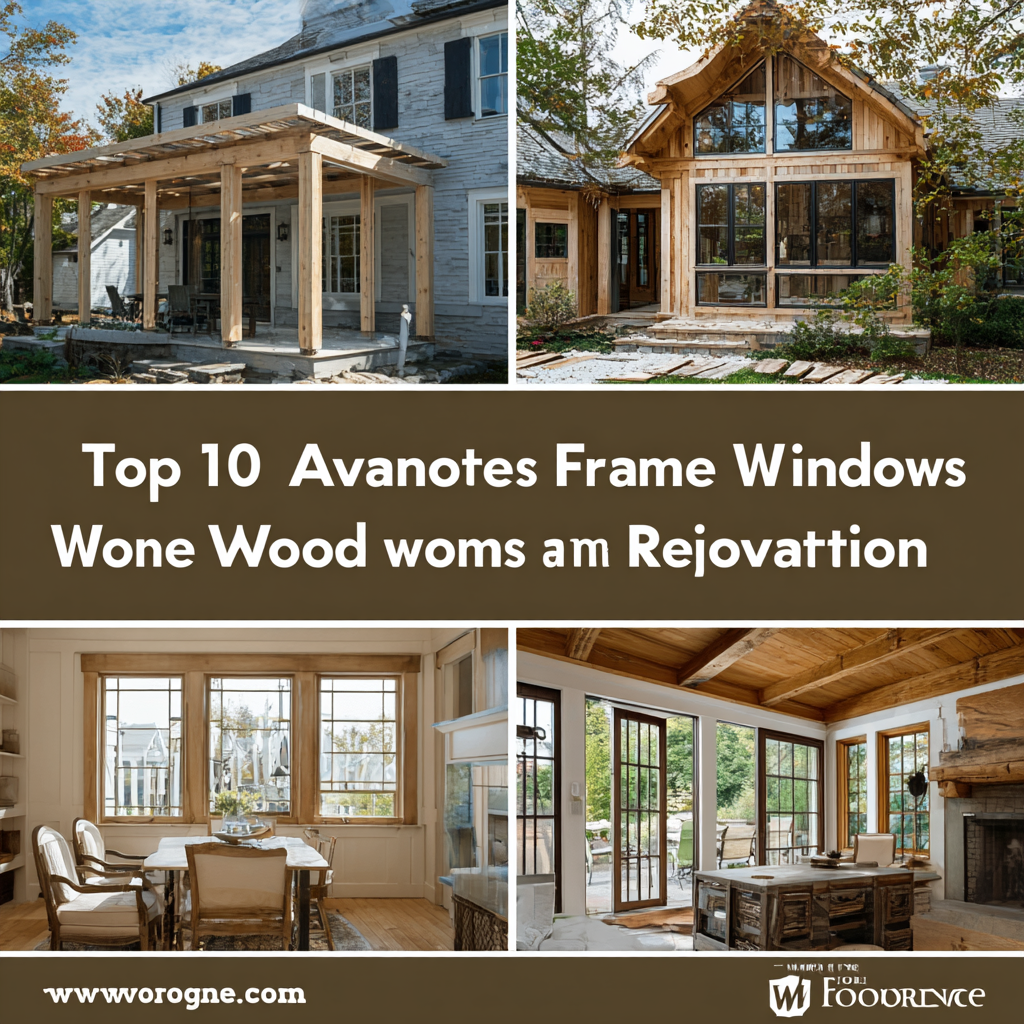
Benefits of Energy Efficiency in Wood Frame Windows
Wood frame windows are not only aesthetically pleasing but also offer significant energy efficiency benefits, making them an ideal choice for home renovation projects. According to the U.S. Department of Energy, energy-efficient windows can reduce energy bills by 7-15%, and wood frame windows contribute to these savings through excellent insulation properties. The natural insulating qualities of wood help maintain a stable indoor temperature, reducing the need for excessive heating and cooling.
Moreover, studies from the Environmental Protection Agency (EPA) highlight that proper window installation and the choice of materials like wood can lead to a noticeable reduction in heat loss. Wood frame windows tend to have better thermal performance compared to vinyl or aluminum frames, particularly in extreme weather conditions. This enhanced energy efficiency not only serves to lower utility costs but also helps in minimizing the carbon footprint of households, aligning with modern sustainability goals. With advancements in technology, many wood frame windows now come with low-emissivity (low-E) glass coatings that further improve insulation and reflect infrared light, ensuring homes remain comfortable year-round while enjoying the natural charm of wood.
Top 10 Advantages of Wood Frame Windows for Your Home Renovation - Benefits of Energy Efficiency in Wood Frame Windows
| Advantage |
Description |
Energy Efficiency Rating |
| Natural Insulation |
Wood frame windows provide excellent thermal insulation, helping to keep your home warm in winter and cool in summer. |
U-factor: 0.30 |
| Sustainability |
Wood is a renewable resource, making wood frame windows an eco-friendly choice for home renovations. |
N/A |
| Customizable Design |
They can be customized in a variety of styles, colors, and finishes to match your home’s aesthetic. |
N/A |
| Durability |
Properly maintained wood windows can last for decades, saving costs on replacements. |
N/A |
| Aesthetic Appeal |
The natural beauty of wood enhances the overall look and feel of any home. |
N/A |
| Energy Savings |
Energy-efficient wood windows can lower monthly heating and cooling bills. |
Energy Star Certified |
| Low Maintenance |
With proper sealing and finishing, wood frames can require minimal maintenance. |
N/A |
| Sound Insulation |
Wood frame windows provide effective sound insulation, reducing outside noise. |
STC Rating: Up to 34 |
| Improved Home Value |
Installing wood frame windows can increase the resale value of your home. |
N/A |
| Better Air Quality |
Wood frame windows help minimize drafts, improving indoor air quality. |
N/A |
Aesthetic Appeal: Enhancing Home Design with Wood Frame Windows
Wood frame windows are not just functional additions to your home; they significantly enhance the aesthetic appeal of any space. According to a report by the National Association of Realtors, 87% of home buyers place a high value on curb appeal when selecting a home. This statistic emphasizes the importance of appearance in the home buying process. Wood frame windows, with their natural beauty and customizable design options, can dramatically improve the exterior look of a house. The warm tones and grain patterns of wood create an inviting atmosphere that complements various architectural styles, from traditional to modern.
Moreover, wood frame windows can act as a focal point within your home. A study published by the AIA noted that homes with upgraded windows can yield a significant return on investment, often increasing the home’s value by 80% or more of the renovation cost. The intricate details and customizable sizes of wood frames allow homeowners to create unique designs that reflect personal style while maintaining energy efficiency. By choosing wood frame windows, homeowners not only invest in higher energy performance but also elevate their home's design, ensuring it stands out in a competitive market.
Durability and Longevity: Why Wood Frames Stand the Test of Time
Wood frame windows are celebrated not only for their aesthetic appeal but also for their remarkable durability and longevity. According to a study published by the Window and Door Manufacturers Association (WDMA), wood frame windows can last significantly longer than vinyl or aluminum alternatives, often exceeding 30 years with proper maintenance. This endurance is attributed to the natural strength of wood, which, when treated, can withstand various environmental conditions without warping or deteriorating.
When considering wood frame windows for your renovation, remember that proper maintenance is key to their longevity. Regular inspections and resealing can extend their life significantly. Additionally, choosing high-quality, sustainably sourced wood can enhance durability, providing a reliable option that can stand the test of time.
Tip: To prevent moisture damage, make sure your wood windows are properly sealed and painted, as this protects the wood from the elements and reduces the risk of rot. Furthermore, investing in energy-efficient glazing options can improve overall insulation, making your home more comfortable while also reducing energy costs.
Top 10 Advantages of Wood Frame Windows for Your Home Renovation
Environmental Impact: Sustainable Choices with Wood Frame Windows
 Wood frame windows offer a sustainable choice for homeowners looking to renovate their properties while minimizing environmental impact. One of the key advantages of using wood is that it is a renewable resource, especially when sourced from responsibly managed forests. This ensures that for every tree harvested, new trees are planted, promoting a cycle of growth that supports the ecosystem. Unlike synthetic materials, wood frames have a lower carbon footprint throughout their lifecycle, absorbing carbon dioxide and releasing oxygen, which contributes positively to the environment.
Furthermore, wood frame windows are highly energy-efficient. This natural insulator helps maintain indoor temperatures, reducing the need for heating and cooling systems that contribute to greenhouse gas emissions. The use of wood also aligns with a growing trend towards eco-friendly building materials as more homeowners are becoming aware of the environmental costs of their renovation choices. By opting for wood frames, homeowners can not only enhance the aesthetic appeal of their homes but also align their renovation projects with sustainable practices that benefit both current and future generations.
Sound Insulation: The Acoustic Advantages of Wood Frame Construction
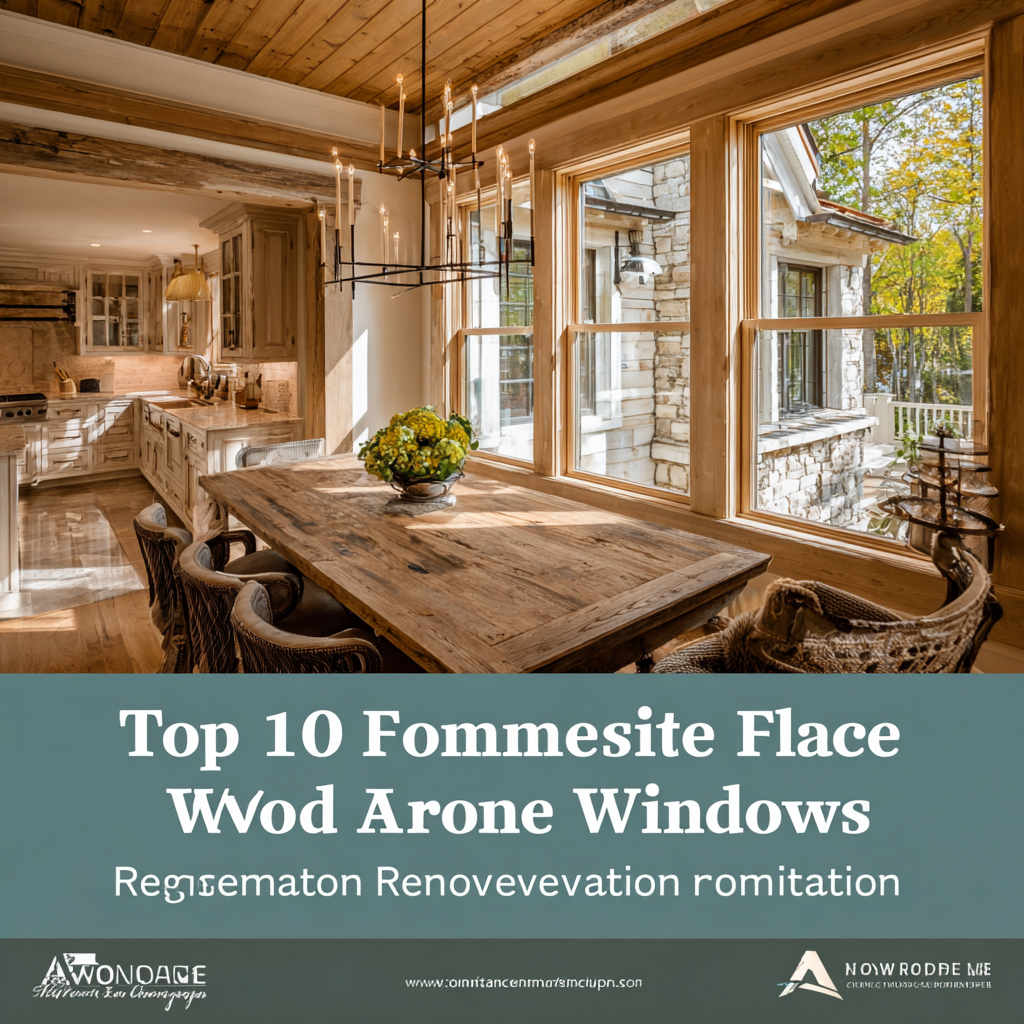 Wood frame windows not only enhance the aesthetic appeal of a home but also provide significant acoustic advantages that contribute to a quieter living environment. The inherent properties of wood, combined with modern construction techniques, enable excellent sound insulation. According to research, wood-framed structures can outperform traditional materials like concrete and steel in airborne sound insulation, making them ideal for residential projects where noise pollution is a concern. For instance, lightweight double leaf wall systems, when designed with optimized stud types, demonstrate remarkable sound attenuation, reducing the transmission of unwanted noise effectively.
Moreover, the integration of acoustic treatments in wood frame construction further enhances soundproofing capabilities. Recent developments in biofiber-based acoustic coatings reveal a viable solution for improving acoustic environments without compromising aesthetic appeal. Buildings designed with these innovative features not only support sustainable practices by minimizing materials that create a larger ecological footprint but also promote healthier living spaces. Given the growing trend toward sustainable building practices, the incorporation of wood frame windows aligns with both environmental stewardship and the need for better acoustic insulation, fostering a more tranquil and enjoyable home.