Why Choose Windows for Homes: Benefits and Features You Need to Know
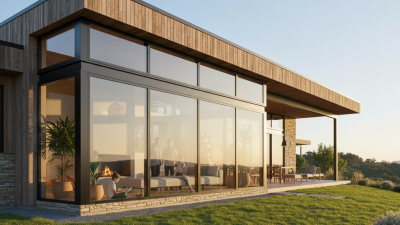
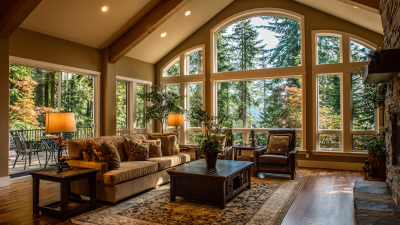
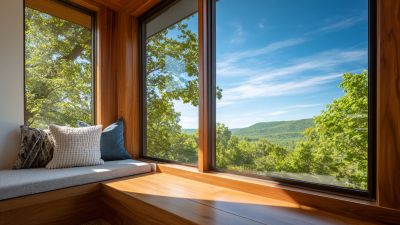
When considering renovations or new constructions, the choice of windows plays a pivotal role in enhancing the overall comfort and aesthetic of homes. "Windows For Homes" are not merely functional elements; they are vital components that contribute to energy efficiency, natural light influx, and noise reduction. As Edward H. Lawson, a renowned expert in residential architecture, aptly stated, "The right windows can redefine a space, marrying beauty with functionality."
In today's market, homeowners are increasingly aware of the numerous benefits that high-quality windows can offer. From improving insulation and lowering energy bills to elevating the interior design of a home, the advantages are compelling. Furthermore, advances in window technology have led to innovations that enhance durability and sustainability, making modern options more appealing than ever.
Understanding the features that define "Windows For Homes" empowers homeowners to make informed decisions that align with their needs and lifestyle. As we explore the benefits and features of these essential home elements, it becomes clear why investing in the right windows can significantly impact the livability and value of a home.
Benefits of Energy Efficiency: How Windows Reduce Energy Consumption
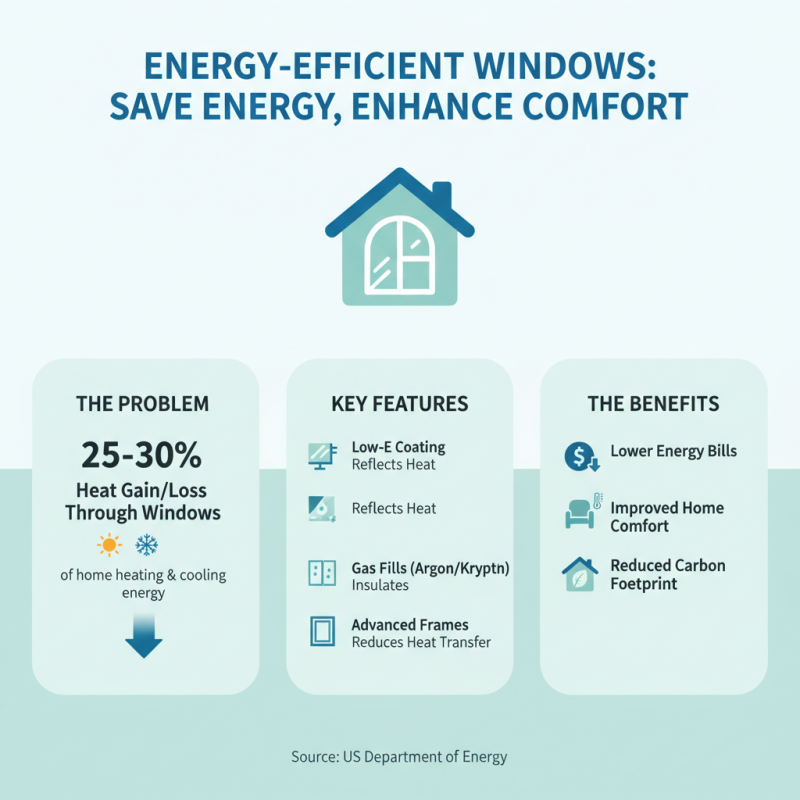
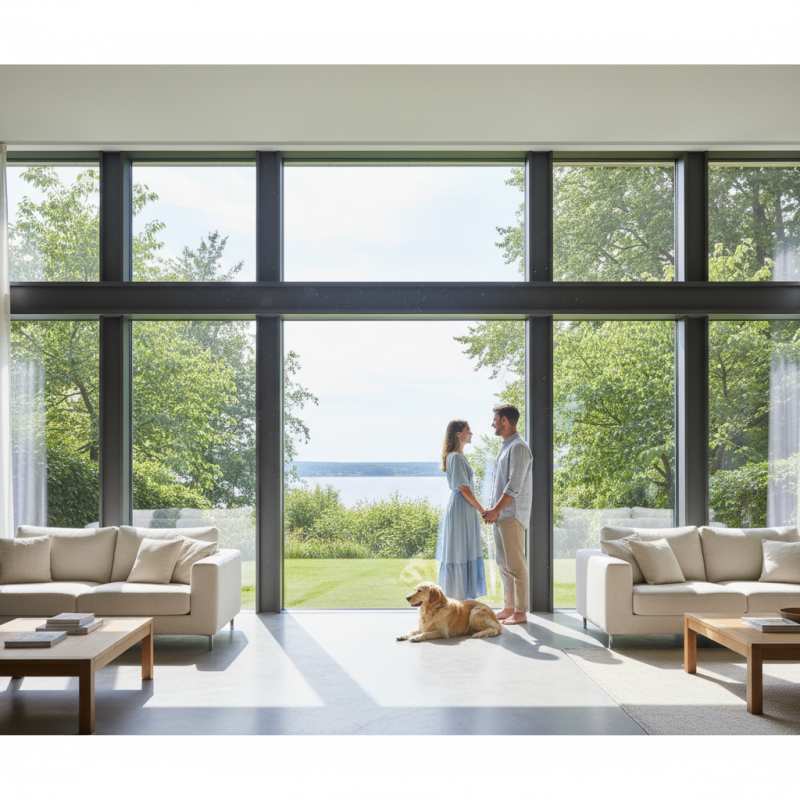
When considering energy efficiency in homes, windows play a crucial role in reducing overall energy consumption. According to the U.S. Department of Energy, heat gain and loss through windows can account for 25% to 30% of residential heating and cooling energy use. Therefore, choosing the right windows can significantly lower energy bills and enhance home comfort. Energy-efficient windows are designed with features such as low-emissivity (Low-E) coatings, gas fills between panes, and advanced framing materials that minimize heat transfer, thereby maintaining a stable indoor temperature.
In addition to financial savings, energy-efficient windows contribute to environmental sustainability. The National Fenestration Rating Council (NFRC) reports that homes equipped with energy-efficient windows can reduce their carbon footprint significantly. By lowering energy demand, these windows help decrease greenhouse gas emissions associated with electricity production. Moreover, a study from the Lawrence Berkeley National Laboratory found that households can save an average of $126 to $465 annually on energy costs when upgrading to high-efficiency window systems. This not only highlights the financial benefits but also underscores the importance of making environmentally conscious choices when it comes to home improvement.
Enhancing Home Value: The Economic Benefits of Quality Windows
When considering home improvements, the choice of windows plays a significant role not only in aesthetics but also in enhancing economic value. According to a report from the National Association of Realtors, quality windows can yield a return on investment (ROI) of approximately 70% to 80% at resale. This statistic highlights that homeowners can recoup a substantial portion of their investment, ultimately making quality windows a smart financial decision.
Energy efficiency is another crucial component that contributes to the economic benefits of installing new windows. The U.S. Department of Energy estimates that up to 30% of residential energy use can be attributed to inefficient windows. By upgrading to energy-efficient windows, homeowners can save an average of $465 per year on energy costs, translating into significant long-term savings. Moreover, energy-efficient windows are often eligible for various tax credits and rebates, further enhancing their appeal to budget-conscious homeowners.
In addition to energy savings, modern windows can enhance the overall comfort and style of a home, contributing to a more pleasant living environment. Improved insulation helps maintain consistent indoor temperatures, reducing the reliance on heating and cooling systems. As a result, homes equipped with high-quality windows not only feel more comfortable but are also more attractive to potential buyers, enhancing their marketability and overall value.
Noise Reduction Features: Improving Indoor Comfort with Quality Windows
Noise pollution is a common concern in modern homes, especially in urban environments where traffic, construction, and other disturbances can interrupt daily life. Choosing quality windows designed with noise reduction features can significantly enhance indoor comfort. These specialized windows utilize advanced materials and engineering to minimize sound transmission, helping to create a more peaceful living space. By incorporating features such as triple glazing, sound-dampening frames, and airtight seals, homeowners can effectively reduce external noise, allowing for a quieter and more tranquil home environment.
In addition to enhancing comfort, noise-reducing windows also contribute to overall well-being. A serene indoor atmosphere promotes relaxation and can positively impact productivity and mental health. For families with young children or remote workers who require a distraction-free environment, the benefits of installing windows that focus on acoustic insulation are invaluable. Furthermore, these windows not only help in reducing noise but can also improve energy efficiency, as many noise-reducing products are designed to offer excellent insulation against temperature fluctuations. By investing in quality windows, homeowners can enjoy a quieter, more comfortable living space while reaping the rewards of improved energy savings.
Noise Reduction Features: The Impact of Quality Windows on Indoor Comfort
This bar chart displays the noise reduction effectiveness of different window types in terms of Sound Transmission Class (STC) ratings. Higher STC ratings indicate better soundproofing capabilities, contributing to improved indoor comfort in homes.
Durability and Maintenance: Longevity of Modern Window Materials
When considering window options for homes, the durability and maintenance aspects of modern window materials play a crucial role in their appeal. Many contemporary windows utilize advanced materials such as vinyl, fiberglass, and aluminum, which are designed to withstand harsh weather conditions while requiring minimal upkeep.
According to the American Architectural Manufacturers Association, windows made from vinyl can typically last 20 to 40 years, making them a long-term investment for homeowners. Their resistance to fading and peeling significantly reduces the need for repainting, adding to their convenience.
Furthermore, advances in window technology have led to better thermal insulation properties, which contribute not only to comfort but also to energy efficiency. The Department of Energy reports that high-performance windows can save homeowners up to 30% on energy bills. This not only underscores their durability but also their financial benefits over time.
Tip: When selecting windows, consider those with low-maintenance features, such as double or triple glazing and coated surfaces, which can enhance both longevity and energy performance.
In addition, regular inspections can prolong the lifespan of your windows significantly. Homeowners should clean the frames and seals periodically and check for any signs of wear or damage. A simple maintenance routine can prevent costly replacements and ensure that your windows serve effectively over their expected lifespan.
Tip: Utilize silicone-based lubricants on moving parts of operable windows to keep them functioning smoothly and prevent sticking.
Safety and Security: How Windows Protect Your Home and Family
When considering safety and security for your home, the choice of windows plays a crucial role. According to the American Institute of Architects, approximately 28% of home burglaries occur through an unlocked window, making proper window design and security features essential for prevention. Modern windows integrate advanced locking mechanisms and laminated glass options, enhancing the overall security of a residence. The presence of durable materials and multi-point locking systems not only deters potential intruders but also gives homeowners peace of mind.
In addition to the physical barriers they create, windows can also contribute to a family's safety by improving visibility and natural light, which are vital for surveillance of the surroundings. The National Demographic and Health Survey found that homes with better-lit environments and unobstructed views are less likely to experience break-ins. Moreover, energy-efficient windows can help maintain a comfortable indoor climate, reducing the likelihood of heat-related dangers, especially for young children and the elderly. Implementing features such as tempered glass and impact-resistant windows further increases a home's safety profile, allowing families to enjoy peace of mind while benefiting from natural light and enhanced aesthetics.