Top 10 Benefits of Casement Windows for Your Home?
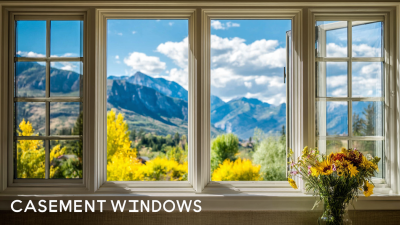
Casement windows are a fantastic addition to any home. They offer unique features that enhance both beauty and functionality. These windows are hinged on the side, allowing them to open outward. This design provides excellent ventilation and unobstructed views.
One of the appealing aspects of casement windows is the ease of use. Operating them is simple, making them ideal for hard-to-reach places. Moreover, the increased airflow they provide can greatly improve indoor air quality. Consider how fresh air circulates through your living spaces.
Despite their many advantages, choosing casement windows requires careful thought. Factors like cost, maintenance, and style play vital roles in your decision. It is essential to weigh the benefits against your home's specific needs. Understanding these elements can lead to a more satisfying choice.
Benefits of Enhanced Ventilation with Casement Windows
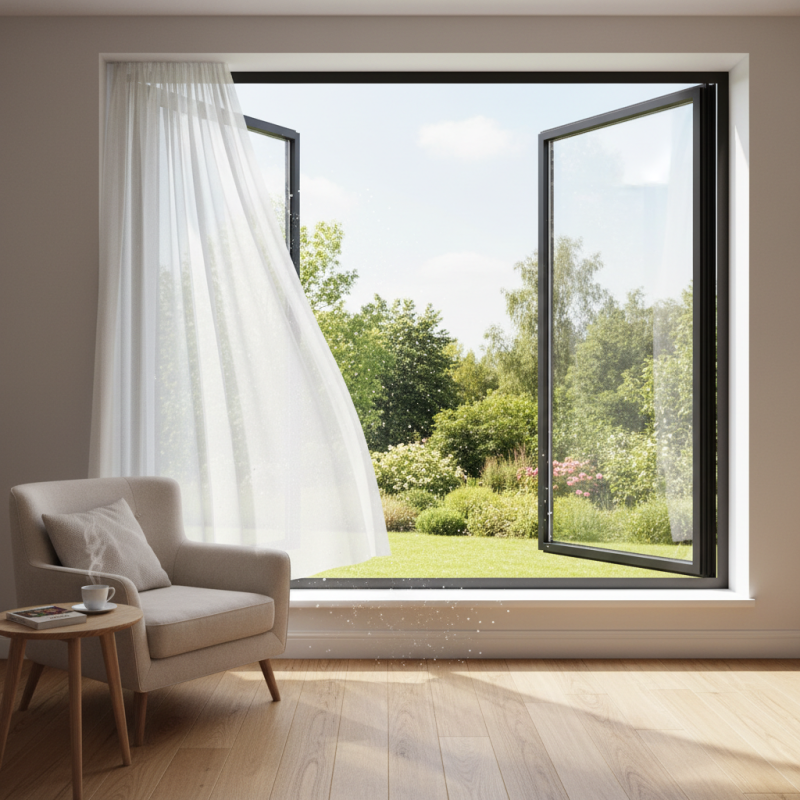
Casement windows are more than just a stylish addition; they offer excellent ventilation for your home. These windows open outward, allowing fresh air to flow directly into your living space. This design creates a cross breeze, improving air circulation. You'll notice a difference in how fresh and cool your room feels. When closed, they can also prevent drafts and maintain a comfortable indoor climate.
For improved airflow, consider the placement of casement windows. Install them in areas that receive consistent breezes. Additionally, use them in combination with other window types for optimal ventilation. Consider shades or screens. They can enhance your comfort while allowing fresh air in.
Remember that a little maintenance goes a long way. Regularly check the hinges and seals to ensure they function properly. Over time, dirt and debris can build up, affecting performance. Cleaning them might require extra effort, but it’s worth it. Enhanced ventilation helps reduce humidity and prevents mold growth. Your home can feel fresh and healthy with just a few simple steps.
Top 10 Benefits of Casement Windows for Your Home
Energy Efficiency Advantages of Casement Windows in Homes
Casement windows are an excellent choice for energy-efficient homes. They open outward, capturing breezes and ensuring natural ventilation. This feature can significantly reduce the need for air conditioning, especially during warm months. When properly installed, these windows create a tight seal when closed, preventing drafts. This can help keep your home warm in winter and cool in summer.
Here are some tips for maximizing the energy efficiency of your casement windows. Ensure they are well-maintained. Check the hardware and seals regularly for wear and tear. If you notice any gaps, they can lead to energy loss. Consider using weather stripping to enhance insulation. This simple addition can make a big difference.
Another suggestion is to opt for double or triple glazing. This type of glass provides better insulation than single panes. It reduces heat transfer, keeping your home comfortable year-round. Remember, the right choice in windows can lead to long-term savings on energy bills. However, not everyone thinks about window placement. Think about which way the wind blows. Positioning your casement windows to catch prevailing breezes can enhance natural cooling.
Improved Aesthetic Appeal for Modern Home Designs
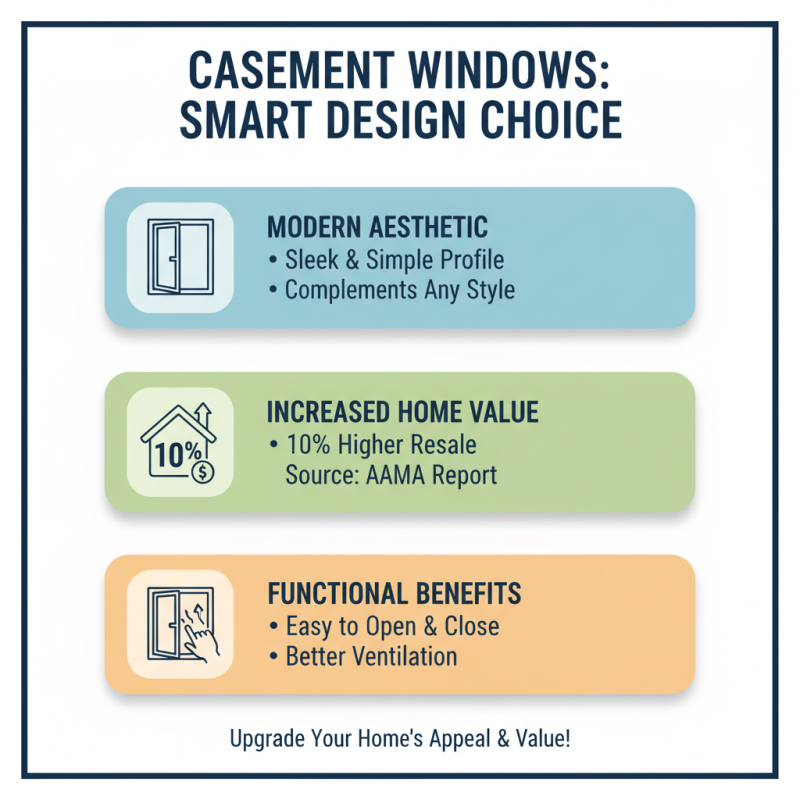
Casement windows have gained popularity for their aesthetic appeal, especially in modern home designs. Their sleek and simple profile complements various architectural styles. A report by the American Architectural Manufacturers Association highlighted that homes featuring casement windows often yield a 10% higher resale value. This statistic captures homeowners' growing interest in attractive, functional designs.
The functionality of casement windows also plays a role in their appeal. When opened, they provide unobstructed views and enhance airflow. Many homeowners appreciate this connection to the outdoors. However, placement matters. Poorly positioned windows can hinder natural light, making a room feel smaller. Some designs even lead to narrow, uncomfortable angles. Careful planning is crucial to maximize benefits.
The numerous customization options available can be overwhelming. From frame materials to colors, the choices are vast. However, this flexibility allows homeowners to create a unique look. It's essential to balance aesthetics with functionality. Windows should enhance your home's character while serving a practical purpose. When done right, casement windows can beautifully merge form and function.
Ease of Cleaning and Maintenance of Casement Windows
Casement windows offer remarkable ease of cleaning and maintenance. These windows typically swing open from the side. This design makes it easy to access both the interior and exterior surfaces. In fact, a study by the American Architectural Manufacturers Association noted that casement windows can be cleaned without the need for ladders or special equipment. Many homeowners appreciate this feature, particularly those with multi-story homes.
However, there are some challenges. While casement windows are easy to clean, they can also be prone to dirt accumulation, especially on the hinges and frames. Regular maintenance is essential to prevent rust or corrosion. According to a report by the Window and Door Manufacturers Association, about 20% of homeowners neglect this aspect, leading to potential larger issues later on.
Additionally, the weather can impact upkeep. Strong winds or heavy rains may cause debris to get lodged in the window's hinge mechanism. It’s essential to inspect these areas routinely. Many homeowners often overlook this step, which could lead to dysfunction in the window operation over time. It's crucial to make cleaning a habit to ensure longevity.
Top 10 Benefits of Casement Windows for Your Home
| Benefit |
Description |
| Ease of Cleaning |
Casement windows can be easily cleaned from inside your home, allowing access to both sides of the glass without the need for ladders. |
| Enhanced Ventilation |
When opened outward, casement windows create a funnel effect, allowing for maximum airflow into your home. |
| Increased Energy Efficiency |
The tight seal when closed helps to reduce drafts and energy loss, enhancing overall energy efficiency. |
| Variety of Styles |
Available in numerous designs and finishes to complement different architectural styles. |
| Security Features |
Casement windows typically feature integrated locking mechanisms that enhance security against intrusions. |
| Unobstructed Views |
The design allows for larger panes of glass, providing clearer, unobstructed views of the outdoors. |
| Effective Noise Reduction |
The tight seals also help reduce outside noise, creating a more peaceful indoor environment. |
| Durability |
Made from strong materials, casement windows are built to last and withstand various weather conditions. |
| Customizable Options |
They can be customized with different finishes, colors, and hardware options to suit personal preferences. |
| Increased Property Value |
Installing casement windows can enhance curb appeal and thereby increase the overall value of your home. |
Enhanced Security Features of Casement Window Designs
Casement windows are becoming increasingly popular for their practicality and aesthetic appeal.
One notable feature is their enhanced security. Unlike traditional double-hung windows, casement windows are hinged on the side and open outward, making them less accessible to intruders.
Their unique design allows for more locking points, which fortifies your home against break-ins.
The materials used in casement window designs also contribute to their security. High-quality frames and sturdy glass make them tough on impacts.
However, not all casement windows are created equal. Poor installation or weak components can diminish their effectiveness.
Regular maintenance is essential to ensure that the locking mechanisms function properly. It’s easy to overlook these details but doing so can have serious implications.
Another aspect to consider is visibility. While their design promotes safety, it can interfere with your view if not positioned correctly.
Ensuring that casement windows open fully and efficiently can be a challenge. One must be mindful of foliage or structures that might obstruct them.
Striking a balance between aesthetics and security can require thoughtful planning and effort.