Top 10 Benefits of Passivhaus Windows for Your Next Project
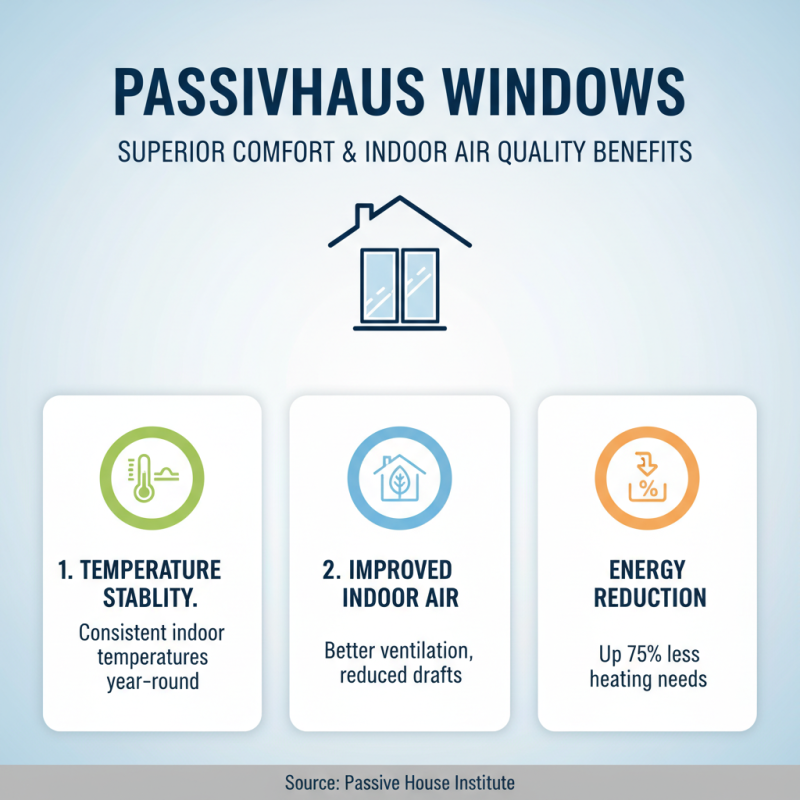
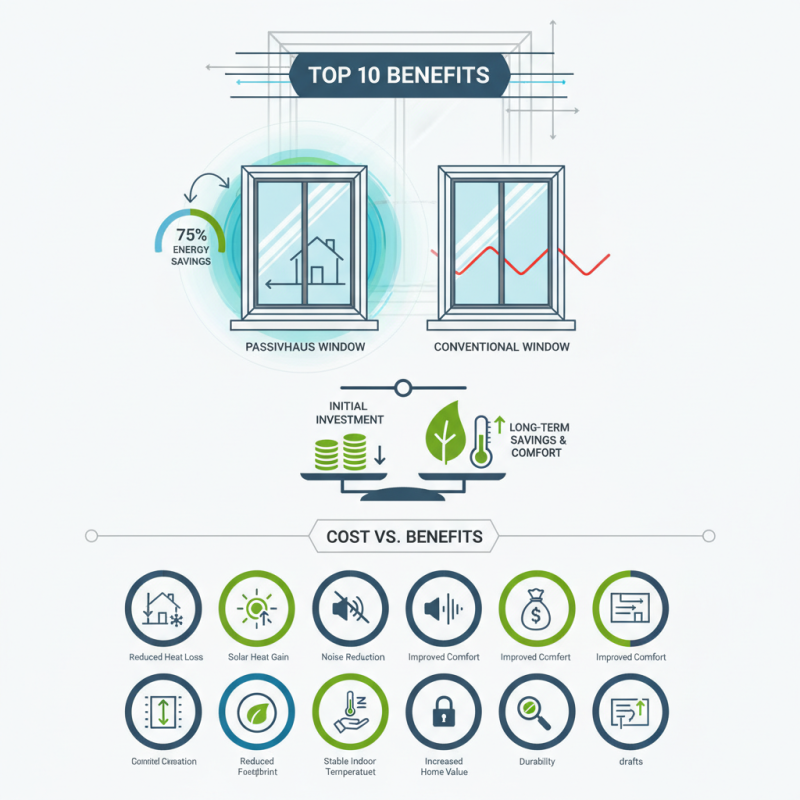
In recent years, the demand for energy-efficient building solutions has surged. Passivhaus Windows have emerged as a vital component in this shift towards sustainable construction. According to a report by the International Passive House Association, buildings designed to the Passivhaus standard can achieve energy savings of up to 75% compared to conventional structures. These windows are not merely a trend; they represent a shift in how we think about energy use in our homes and buildings.
Experts highlight the importance of these windows in enhancing overall building performance. "Passivhaus Windows serve as the first line of defense against heat loss," says Dr. Anna Smith, a leading authority on energy-efficient architecture. Her insights remind us of the technical precision that these windows provide, yet they also present challenges in terms of cost and installation complexities.
Embracing Passivhaus Windows demands careful planning and expertise. It is essential to weigh their benefits against the initial investments. While they promise long-term energy savings, the upfront costs may deter some projects. Thus, assessing whether the investment aligns with your project goals is crucial. Ultimately, these windows are an investment in both comfort and sustainability, guiding us toward a greener future.
Understanding Passivhaus Windows: An Overview
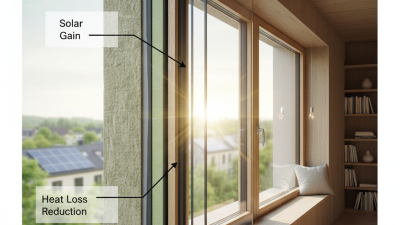
Passivhaus windows are designed for maximum energy efficiency. They are built using advanced materials and techniques. This ensures exceptional insulation and minimal heat loss. The concept stems from the Passivhaus standard, which aims to create buildings with nearly zero energy consumption. These windows are thicker than traditional options, providing better thermal performance.
One important aspect is airtightness. Passivhaus windows prevent drafts, maintaining a steady indoor temperature. They also improve indoor air quality by allowing controlled ventilation. Despite their advantages, many builders hesitate to adopt them. This hesitance often stems from misconceptions about higher upfront costs. It's crucial to reflect on long-term savings versus initial investments.
Although these windows offer numerous benefits, they require thorough installation procedures. A poorly installed window can negate its effectiveness. Builders need to be aware of this to maximize the benefits of Passivhaus windows. Educating workers about proper installation techniques is essential. Understanding this can bridge the gap between high performance and real-world applications.
Top 10 Benefits of Passivhaus Windows for Your Next Project
| Benefit |
Description |
Impact |
| Energy Efficiency |
Passivhaus windows significantly reduce heat loss. |
Lower energy bills and reduced carbon footprint. |
| Enhanced Comfort |
Consistent indoor temperatures year-round. |
Improved living conditions and satisfaction. |
| Condensation Control |
Reduced risk of mold and mildew. |
Healthier indoor environment. |
| Sustainability |
Made from environmentally friendly materials. |
Supports eco-conscious building practices. |
| Noise Reduction |
Superior acoustic performance. |
Quiet and peaceful indoor spaces. |
| Long Lifespan |
Durable construction materials. |
Lower replacement costs over time. |
| Increased Home Value |
High-performance features can enhance property value. |
Better resale potential. |
| Natural Lighting |
Maximized window area allows for ample sunlight. |
Enhanced mood and reduced reliance on artificial light. |
| Customizable Designs |
Wide range of styles and sizes available. |
Flexibility to meet architectural needs. |
| Regulatory Compliance |
Meets stringent building energy standards. |
Easier to obtain permits and approvals. |
Enhanced Energy Efficiency of Passivhaus Windows
Passivhaus windows stand out for their impressive energy efficiency. They are designed to minimize heat loss while maximizing natural light. By using high-performance glazing and well-insulated frames, these windows can significantly reduce heating and cooling costs. Homeowners often notice lower energy bills, creating both savings and reduced environmental impact.
Many buildings face challenges with temperature regulation. Standard windows can leak air, leading to discomfort and higher energy usage. In contrast, Passivhaus windows are rigorously tested to ensure tight seals and enhanced thermal performance. This meticulous design can result in a more stable indoor climate, which enhances occupant comfort.
However, achieving perfect installation can be tricky. Even minor gaps can compromise performance. Homeowners should ensure qualified professionals handle the installation process. Regular maintenance is also essential to keep the windows performing efficiently over time. Investing in these features requires thoughtful planning, but the long-term benefits often outweigh initial concerns.
Top 10 Benefits of Passivhaus Windows
This bar chart illustrates the top 10 benefits of Passivhaus windows, showcasing the significant advantages like enhanced insulation and reduced energy costs. Each benefit is represented with a corresponding percentage, emphasizing their impact and value in energy-efficient architecture.
Long-Term Durability and Low Maintenance Requirements
Passivhaus windows stand out for their remarkable durability and low maintenance needs. Research shows that these windows can last 50 years or more with proper installation. They are designed to endure harsh weather. This reliability significantly reduces the frequency of costly repairs and replacements.
Another advantage is their energy efficiency. According to the International Passive House Association, buildings utilizing these windows can cut heating and cooling costs by up to 90%. This unrivaled performance means occupants enjoy comfortable living spaces while minimizing reliance on energy. Less energy usage translates to lower utility bills, which is crucial long-term.
Despite these benefits, some projects may overlook the initial costs associated with quality Passivhaus windows. While the investment can be higher upfront, the longevity and energy savings often outweigh those concerns. The real challenge lies in balancing budget with long-term sustainability and energy goals. Failure to consider this can lead to regrets down the line.
Cost-Effectiveness and Value Addition in Construction Projects
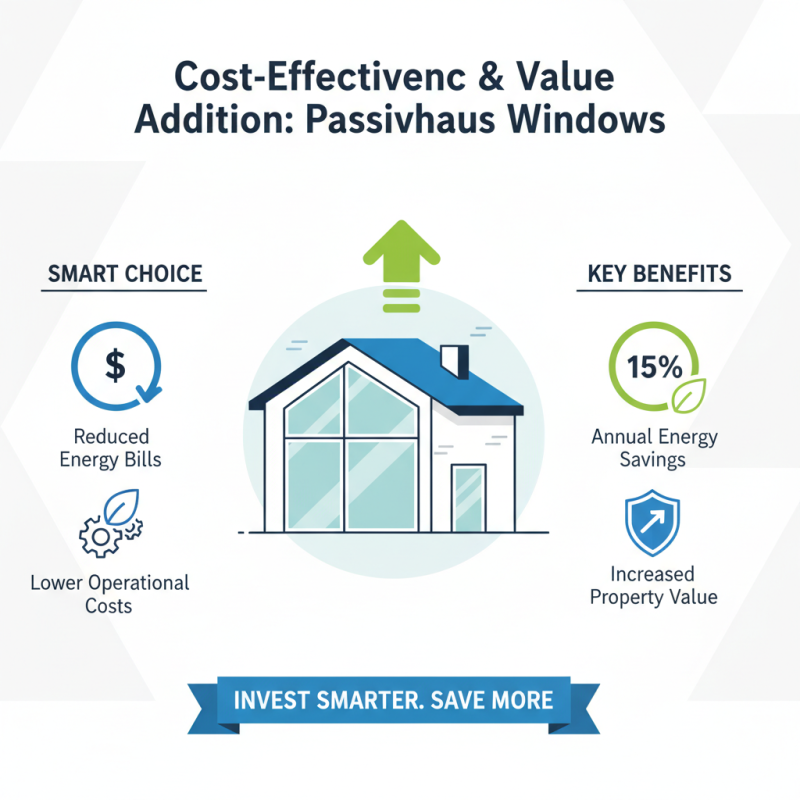
When considering construction projects, Passivhaus windows emerge as a smart choice. They offer significant cost-effectiveness and add valuable energy-saving features. These windows help reduce energy bills, leading to lower operational costs for homeowners. Investing in Passivhaus windows can yield up to 15% savings on energy expenses each year, making them financially appealing.
One shouldn't overlook the importance of proper installation. Even the best products can underperform if not installed correctly. Misalignments or gaps can reduce energy efficiency. Regular inspections can ensure optimal performance. Timing is also key; consider installing these windows during the initial phases of construction for the best results.
Pay close attention to the materials used in Passivhaus windows. High-quality frames, triple glazing, and proper sealing all contribute to their effectiveness. Make sure to research local climate requirements. Different climates might demand unique features. By aware of these details, your investment will likely yield better returns over time.