2026 Best External Windows Options for Your Home?
Selecting the right external windows for your home can be a daunting task. As expert designer Sarah Thompson says, "The right windows blend aesthetics with functionality." In 2026, homeowners face more options than ever. Each choice affects energy efficiency, security, and curb appeal.
Modern external windows come in various materials, including vinyl, wood, and aluminum. Each offers unique benefits and challenges. For instance, wood windows provide a classic look but require more maintenance. In contrast, vinyl windows are low-maintenance, but they may not suit every architectural style.
Many homeowners overlook the importance of proper installation. Poorly installed windows can lead to drafts and moisture issues. This oversight can have a significant impact on comfort and energy bills. As styles evolve, reflection on personal needs is crucial. It's essential to think about how external windows will serve your home and lifestyle.
Types of External Windows: A Comprehensive Overview
When selecting external windows for your home, understanding the various types is crucial. Windows can enhance both aesthetics and functionality. Based on industry reports, residential window replacements can return about 70% of their cost at resale. This statistic shows the importance of choosing wisely.
There are several types of external windows. Vinyl windows are popular for their durability and low maintenance. They resist fading, peeling, and warping, making them a sound choice. However, if unmatched colors or styles exist, they may clash with your home's exterior. Wood windows offer an attractive look but require regular maintenance. They can rot if not properly cared for.
Moreover, fiberglass windows present a versatile option. They mimic wood while offering superior insulation. Yet, installation can be tricky and might require professional help. Homeowners should consider energy efficiency ratings. According to the U.S. Department of Energy, windows account for about 25-30% of residential heating and cooling energy use. Choosing the right type can significantly impact your home's energy bill. Reflecting on these choices is essential for creating a comfortable and efficient living space.
Factors to Consider When Choosing External Windows for Your Home
Choosing the right external windows for your home involves several factors. First, consider the climate in your area. Windows should provide adequate insulation, keeping your home warm in winter and cool in summer. Look for options that enhance energy efficiency. Double-glazing can make a difference, but not all designs achieve the same level of insulation.
Think about style next. Your windows should complement your home’s architecture. A modern home may benefit from sleek frames, while a traditional home might look better with classic designs. It's crucial to balance aesthetics with functionality. Take time to view different styles before making a decision.
Don’t forget about security features. Windows should protect against break-ins. Search for sturdy materials and reliable locks. Space for reflection is essential; sometimes the trendiest options may not provide the best durability. Also, consider maintenance. Some windows require more upkeep, which can be a burden. Choose wisely to avoid regrets in the future.
Top Materials for External Windows: Strengths and Weaknesses
When choosing external windows, the materials play a pivotal role. Each type has its own strengths and weaknesses. Vinyl windows are popular due to their energy efficiency and low maintenance. They resist moisture well, which is a big plus. However, they can fade over time when exposed to intense sunlight. This factor might influence your decision.
Wood windows offer classic beauty and excellent insulation. They can be stained or painted. But wood requires regular upkeep to prevent rot and warping. It's not the ideal option if you seek low maintenance. Ensure you weigh the aesthetics against the added work.
Tips: Consider your local climate when choosing materials. If you live in a wet area, vinyl might be best. For a traditional look, wood could be worth the effort.
Aluminum windows are strong and lightweight. They are also resistant to rust. However, the insulation is not as effective as wood or vinyl. This could lead to higher energy bills. Think about long-term costs versus initial savings.
Tips: Look for thermal breaks in aluminum. This can enhance their energy efficiency significantly. Always test different materials before making a final decision.
Energy Efficiency Ratings and Their Importance for External Windows
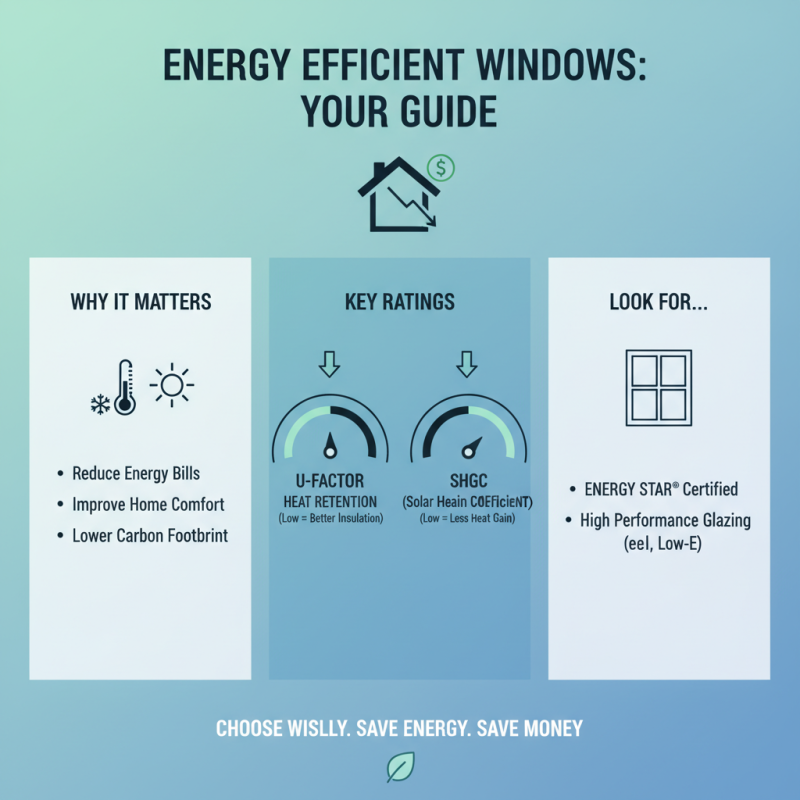
Energy efficiency ratings play a crucial role in selecting the best external windows for your home. These ratings indicate how well a window can insulate. Poor insulation leads to increased energy bills. Homeowners should choose windows with high ratings to reduce energy loss. Look for windows that excel in both U-factor and Solar Heat Gain Coefficient (SHGC). These measures determine how well windows retain heat and block unwanted solar radiation.
Choosing energy-efficient windows can be overwhelming. Not all windows are created equal, and some might not perform as claimed. Many avoid considering energy ratings, focusing only on price or aesthetics. However, investing in well-rated windows pays off in the long run. You reduce dependence on heating and cooling systems. This can lead to a more comfortable living environment.
Consider the climate in your area when selecting windows. A window suitable for a hot environment may not work well in colder regions. Reflect on your home's needs. Research is essential, but it can be time-consuming. Consult with local experts to ensure you're making informed decisions. Balancing efficiency, cost, and appearance can be a challenge. It's worth taking the time to think about long-term benefits.
Design Trends for 2026: Aesthetic Considerations for Your Home's Windows
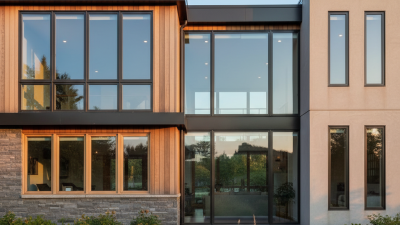
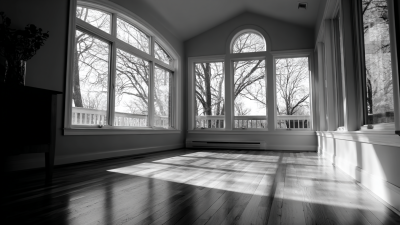
When it comes to your home’s windows, design trends for 2026 emphasize a blend of functionality and aesthetics. Large, expansive windows continue to rise in popularity. They invite natural light, making rooms feel more open. Framing these windows with unique styles can create a striking visual effect. Consider architectural shapes that complement your home’s design.
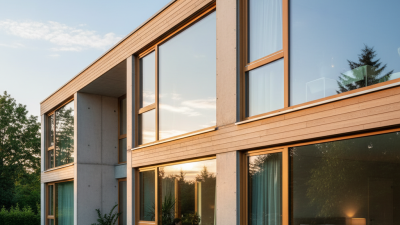
**Tip:** Use textured glass for added privacy. It maintains brightness without sacrificing style. Mixing different types of window frames can enhance your home’s character. For example, combining wood and metal accents adds a modern touch while retaining warmth.
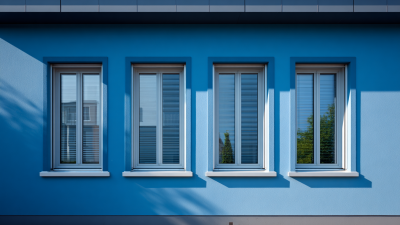
Color will play a vital role in window design. Classic shades like deep blues and earthy greens are trending. These hues can create a calming atmosphere. Choose colors that reflect the surrounding nature for harmony. It can be a daunting task to match window colors with the rest of your exterior. Don't rush this decision.
**Tip:** Test colors in various lighting conditions. This helps visualize how your choices will look throughout the day. Overthinking can lead to decision fatigue, so keep it simple. Aim for a cohesive yet interesting blend. Experiment with various styles and colors until something feels just right.
2026 Best External Windows Options for Your Home
This chart illustrates various types of external window options projected to be popular in 2026. The data reflects estimated percentages of adoption based on design trends and consumer preferences.