Discover 2025's Best Passivhaus Windows for Energy Efficiency and Comfort
In recent years, energy efficiency has emerged as a critical factor in building design, with the Passivhaus standard leading the way in sustainable construction practices. Passivhaus Windows, integral to this high-performance building philosophy, are engineered to minimize energy loss while maximizing comfort. According to the Passive House Institute, utilizing these specialized windows can significantly reduce heating and cooling demand by up to 75% compared to conventional constructions. This dramatic reduction in energy consumption not only promotes a sustainable lifestyle but also leads to substantial cost savings over time.
Moreover, as global energy standards shift towards greater efficiency, the demand for Passivhaus Windows is projected to rise. A report by the International Energy Agency estimates that by 2025, green building initiatives will represent over 36% of new constructions, further solidifying the importance of high-performance window solutions. Investing in high-quality Passivhaus Windows not only supports environmental goals but also enhances indoor comfort and acoustics, making them a smart choice for both builders and homeowners. As we explore the top options for 2025, understanding the unique benefits of Passivhaus Windows becomes essential in creating efficient and comfortable living spaces.
Understanding Passivhaus Standards for Window Selection
When selecting windows for Passivhaus buildings, understanding the stringent Passivhaus standards is crucial. These standards, established by the Passive House Institute, focus on maximizing energy efficiency and comfort while minimizing energy consumption. Key criteria include specific heat transfer coefficients, which determine how much heat is lost or gained through the windows.
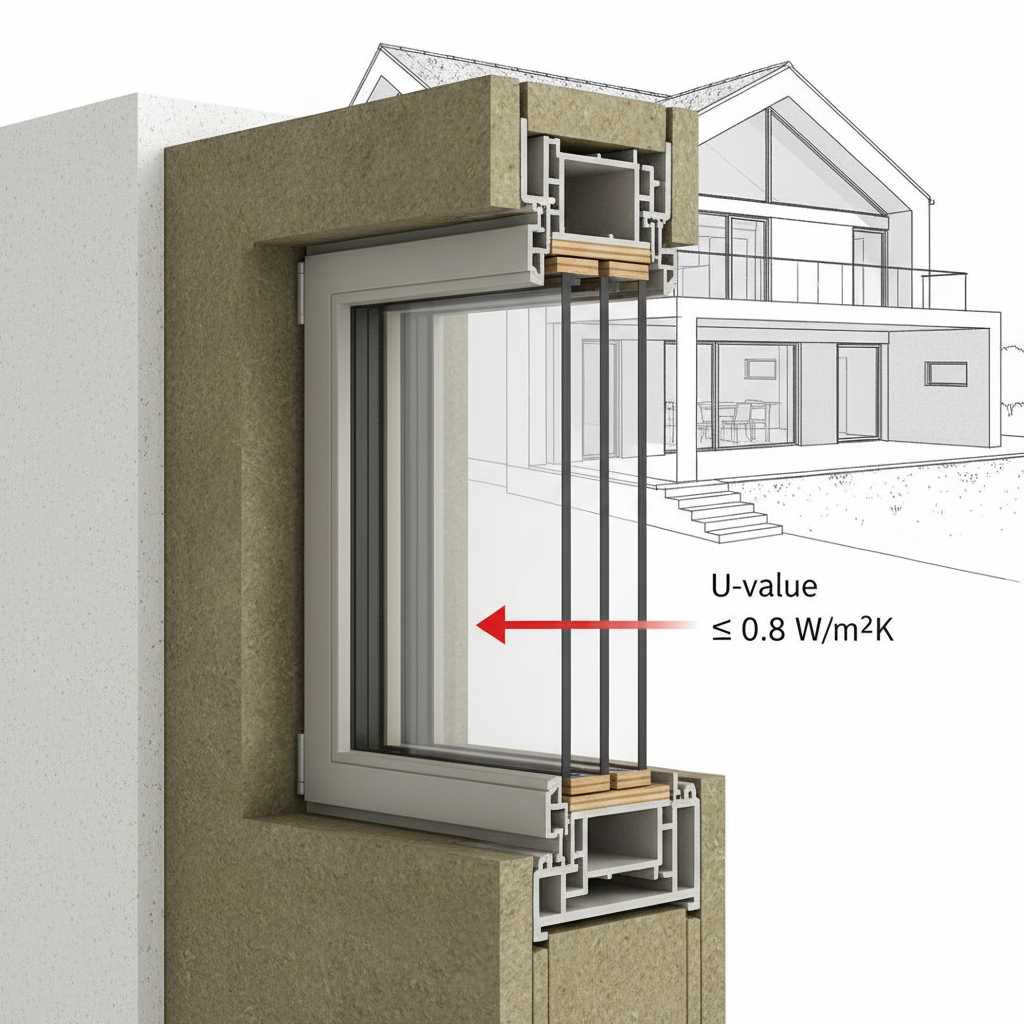
Ideally, Passivhaus windows should have a U-value of 0.8 W/m²K or lower, ensuring superior thermal performance to meet the rigorous energy demand limits of Passivhaus constructions.
In addition to thermal performance, the choice of window frames, glazing types, and installation techniques significantly influences overall energy efficiency. Triple glazing is often recommended for Passivhaus windows, as it provides excellent insulation and reduces heat loss. Furthermore, using high-quality frame materials, such as fiberglass or well-insulated PVC, can enhance durability and thermal properties. Understanding these parameters not only guides builders in selecting the best windows for Passivhaus projects but also contributes to achieving optimal energy efficiency and indoor comfort in the built environment.
Key Features of Energy-Efficient Windows for 2025
When it comes to selecting windows for Passivhaus buildings in 2025, energy efficiency is paramount. According to the Passivhaus Institute, a significant focus will be on windows that offer U-values below 0.80 W/m²K, which is essential for maintaining thermal comfort and reducing heating demands. Innovations in triple glazing technology and advanced frame materials, such as fiberglass and vinyl with thermal breaks, are vital for achieving these standards. These materials help reduce heat loss while allowing plenty of natural light, aiding in passive solar heating.
Another key feature to consider is the presence of high-performance coatings. Low-emissivity (Low-E) coatings can reflect heat back into the room during winter months while allowing sunlight to enter. Research from the National Renewable Energy Laboratory highlights that using Low-E coatings can improve a window's energy efficiency by up to 30%, making them a smart investment. Additionally, airtightness is crucial; windows should meet the rigorous standards of the German Passivhaus certification, where air leakage rates are restricted to 0.6 times the house volume per hour at 50 pascals. These advancements in window technology not only enhance the energy efficiency of Passivhaus designs but also contribute significantly to the overall comfort and sustainability of residential environments.
Discover 2025's Best Passivhaus Windows for Energy Efficiency and Comfort
| Window Type |
U-Value (W/m²K) |
Solar Heat Gain Coefficient (SHGC) |
Air Tightness (ACH) |
Frame Material |
Triple Glazing (Yes/No) |
| Casement Window |
0.80 |
0.50 |
0.3 |
PVC |
Yes |
| Sliding Window |
0.70 |
0.45 |
0.2 |
Aluminum |
Yes |
| Tilt and Turn Window |
0.75 |
0.47 |
0.15 |
Wood |
Yes |
| Awning Window |
0.72 |
0.48 |
0.25 |
Composite |
No |
Top Materials for Durable and Sustainable Passivhaus Windows
When exploring the best materials for durable and sustainable Passivhaus windows in 2025, it’s essential to focus on energy efficiency and environmental impact. The rising awareness of sustainable living has led to innovations in window materials that not only enhance thermal performance but also contribute to a lower ecological footprint. For instance, triple-glazed units offer superior insulation, reducing heating costs and maintaining comfort in varying climates. Utilizing recycled materials and sustainable wood options further supports eco-friendly construction practices, making them ideal choices for modern Passivhaus designs.
Moreover, advancements in frame materials such as fiberglass and aluminum composites provide robust, long-lasting solutions that face weather challenges while maintaining style and energy efficiency. These materials are not only durable but can also be produced with lower environmental impact, aligning with the growing consumer demand for sustainable housing options. As the trend towards passive housing continues, melding innovative design with eco-conscious materials will be paramount in creating residences that harmonize with nature, thereby ensuring energy-efficient and pleasant living spaces.
Energy Efficiency Ratings of 2025's Best Passivhaus Windows
This chart illustrates the energy efficiency ratings (U-value) of various window types considered among the best Passivhaus options for 2025. A lower U-value indicates better thermal performance, contributing to energy efficiency and comfort in buildings.
Comparative Analysis of Leading Passivhaus Window Brands
The quest for energy-efficient windows has led to the emergence of Passivhaus standards, which prioritize exceptional thermal performance and comfort. This comparative analysis delves into leading Passivhaus window brands, evaluating their design, insulation capabilities, and overall sustainability. Brands such as Internorm and Optiwin have gained recognition for their innovative technologies, such as triple-glazing and advanced frame materials that enhance energy retention and reduce heat loss.
Another notable contender is VEKA, celebrated for their extensive range of customizable options that cater to diverse architectural styles while adhering to Passivhaus certification requirements. The analysis highlights how these brands utilize renewable resources and environmentally responsible manufacturing processes, ensuring their products not only meet but exceed energy efficiency expectations. By examining the nuances of each brand's offerings, homeowners and builders can make informed decisions, contributing to a more sustainable future while enjoying optimal interior comfort.
Innovative Technologies Enhancing Comfort and Performance in Windows
As the demand for energy-efficient buildings rises, so does the importance of innovative window technologies designed to enhance comfort and performance. In 2025, the best Passivhaus windows will integrate advanced materials that minimize heat transfer, ensuring that indoor spaces remain comfortably warm in winter and pleasantly cool in summer.
Triple-glazing, with low-emissivity coatings, is set to become standard, significantly reducing heat loss and enabling homeowners to enjoy natural daylight without sacrificing energy efficiency.
Furthermore, the integration of smart technologies into window systems will transform the way we manage indoor climates. Features such as automated shading, which adjusts based on sunlight intensity, and responsive ventilation systems will create a dynamic living environment that adapts to external conditions. These innovations not only improve thermal comfort but also contribute to overall energy savings, making 2025’s Passivhaus windows a vital component for those seeking to maximize their home's performance while prioritizing sustainability.