Best Tips for Choosing Wood Casement Windows?
When selecting Wood Casement Windows, homeowners often aim for a blend of aesthetics and functionality. Industry data suggests that wooden windows can improve a home's value by up to 70%. This statistic highlights the importance of making an informed choice. "Choosing the right wood is crucial," says Jane Rogers, a renowned expert in sustainable building materials.
Wood Casement Windows offer natural insulation, adding energy efficiency. However, not all wood types perform equally. Some may warp or rot over time. Quality matters greatly, and proper maintenance is essential to prolong their lifespan.
Homeowners frequently overlook the impact of climate on window durability. For example, northern climates may demand more robust materials. Making mistakes in the selection process can lead to costly replacements. Careful evaluation of options is key to achieving the desired outcome.
Understanding the Benefits of Wood Casement Windows in Home Design
Wood casement windows offer numerous benefits that can significantly enhance home design. They are known for their aesthetic appeal and functional design. A recent survey indicated that homes with wood windows can sell for up to 10% more than those with vinyl counterparts. The natural beauty of wood gives a warm, inviting look that complements various architectural styles.
One key advantage of wood casement windows is their energy efficiency. According to the Department of Energy, high-quality windows can reduce heating and cooling costs by 15-20%. Wood has natural insulating properties, helping to maintain indoor temperatures year-round. Adding weather stripping and proper sealing can improve performance even further.
When choosing wood casement windows, consider maintenance and treatment options. Regular painting or staining is essential to protect against moisture. Additionally, look for sustainable wood options to enhance your eco-friendly design. If not maintained properly, wood can warp or crack over time. Always weigh long-term costs against initial investments.
Benefits of Wood Casement Windows
Key Factors to Consider When Selecting Wood Casement Windows
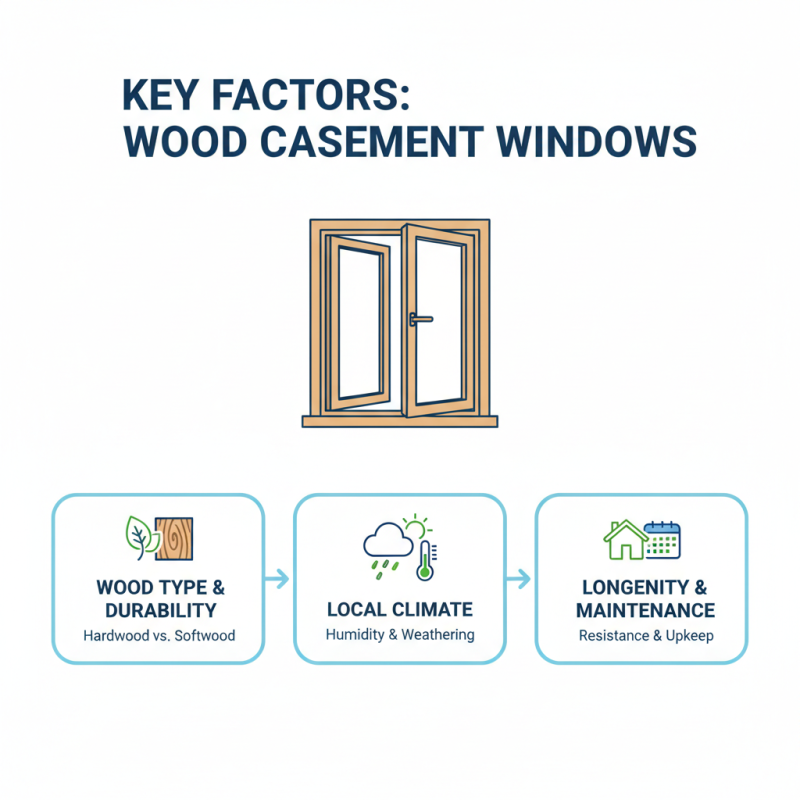
When selecting wood casement windows, several key factors can impact your choice. Start by considering the wood type. Different woods can offer varying durability and aesthetics. For instance, some woods can weather better in humid environments. However, softer woods may not last as long. Think about the local climate when making your decision.
Next, assess the design and style that suits your home. Casement windows come in various styles. The right design will enhance your home's appearance. However, some styles may not fit every situation. It’s important to visualize how the windows will look against your home’s exterior. Measure your current window frames accurately to avoid any installation issues.
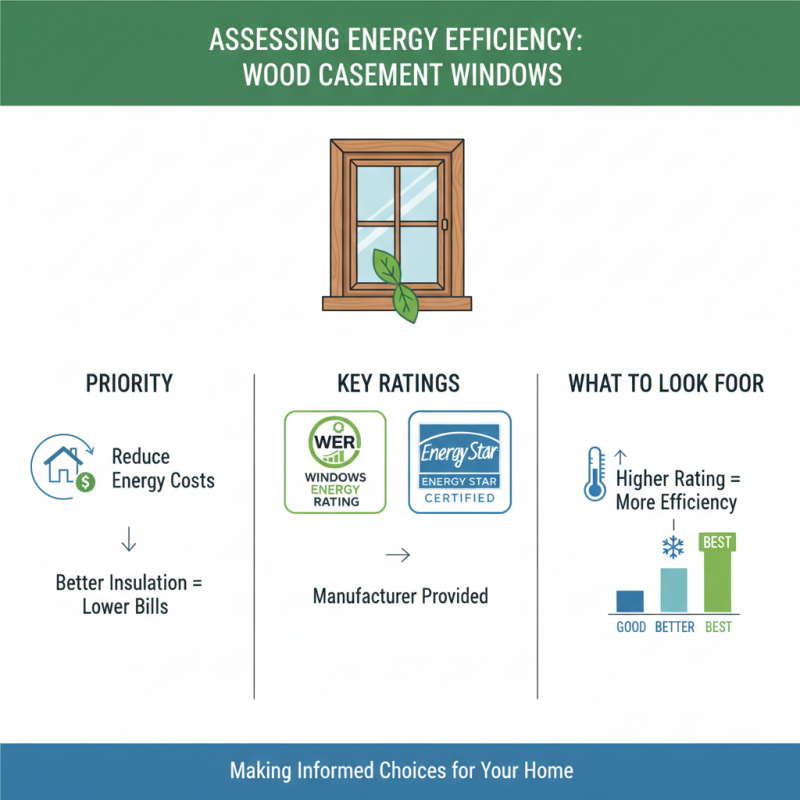
Lastly, energy efficiency is crucial. Look for options with high insulation values. Good seals can keep your home comfortable. But remember, each window must be installed properly. Poor installation can lead to air leaks, negating efficiency gains. Evaluate your choices carefully to find a balance between appearance and functionality.
Common Wood Species Used for Casement Windows and Their Durability
When selecting wood casement windows, the type of wood plays a crucial role in durability. Common options include pine, oak, and mahogany. Pine is widely used due to its affordability and ease of handling. However, it can be prone to warping if not properly maintained. Oak is more robust and offers excellent resistance to wear. Its natural beauty makes it a popular choice, but it comes at a higher price point.
Mahogany stands out for its durability and resistance to the elements. It has a rich color and an elegant finish. Yet, mahogany can be heavy and might not be suitable for all home designs. Each wood species has its strengths and weaknesses, making it essential to consider your specific needs.
Consider these tips when choosing wood casement windows. Assess your climate conditions. This will help you pick a wood that withstands local weather. Think about maintenance. Some woods require more upkeep than others. It's wise to weigh these factors before making a decision. A well-informed choice will lead to lasting satisfaction.
Best Tips for Choosing Wood Casement Windows
| Wood Species |
Durability Rating |
Resistance to Elements |
Maintenance Level |
| Oak |
High |
Good |
Moderate |
| Mahogany |
Very High |
Excellent |
Low |
| Pine |
Moderate |
Fair |
High |
| Cedar |
High |
Good |
Moderate |
| Maple |
High |
Good |
Low |
Best Practices for Maintaining and Caring for Wood Casement Windows
Wood casement windows add beauty to any home. However, they require proper maintenance to ensure longevity.
Regular checks for paint and sealant are essential. Peeling paint or damaged seals can lead to moisture issues.
Apply a fresh coat of paint every few years. Use high-quality, exterior-grade paint to protect the wood.
Cleaning is another crucial aspect. Use mild soapy water for the glass and frames. Avoid abrasive cleaners as they can damage surfaces.
Pay attention to the hinges and opening mechanisms. Lubricate them regularly with a silicone spray. Yet, don’t overdo it; excessive lubrication can attract dirt and grime.
Inspecting for pests is also necessary. Wood is susceptible to termites and other insects.
Look for signs of damage around the frame. Early detection can save money and time.
Maintaining wood casement windows is a commitment. It requires regular effort, but the aesthetic and functional rewards are worth it.