What Are the Best Types of Windows for Homes in 2026?
Choosing the best Windows For Homes in 2026 starts with the house, not the showroom. Climate, orientation, noise, and budget all matter. A sunny south-facing room may benefit from carefully selected glazing, while a drafty bedroom may need better installation before a more expensive frame. Small details matter. Look at condensation, frame condition, and how smoothly each sash opens. These clues can reveal more than a product label.
Building scientist Joseph Lstiburek is often associated with the reminder, “A window is a hole in the wall.” It is blunt, but useful: even a high-performance window can disappoint if water, air, or heat moves around it. Compare vinyl, fiberglass, wood, and aluminum by durability, maintenance, thermal performance, and local conditions. Then check ratings such as U-factor and solar heat gain coefficient; the right balance depends on your climate and the room’s exposure. Ask how the window will be flashed and sealed, not just what it costs. A low quote can leave out important installation work. That part is easy to overlook.
This guide examines popular window styles, including casement, double-hung, sliding, and fixed designs, along with materials and efficiency features. It also considers trade-offs that brochures tend to smooth over: wood needs care, large panes can raise costs, and “energy-efficient” does not mean identical performance everywhere. There is no universal winner. Your home’s age, wall construction, and daily use may change the answer, and a site inspection is still worth considering.
How Residential Window Types Are Classified
What Are the Best Types of Windows for Homes in 2026?
How Residential Window Types Are Classified
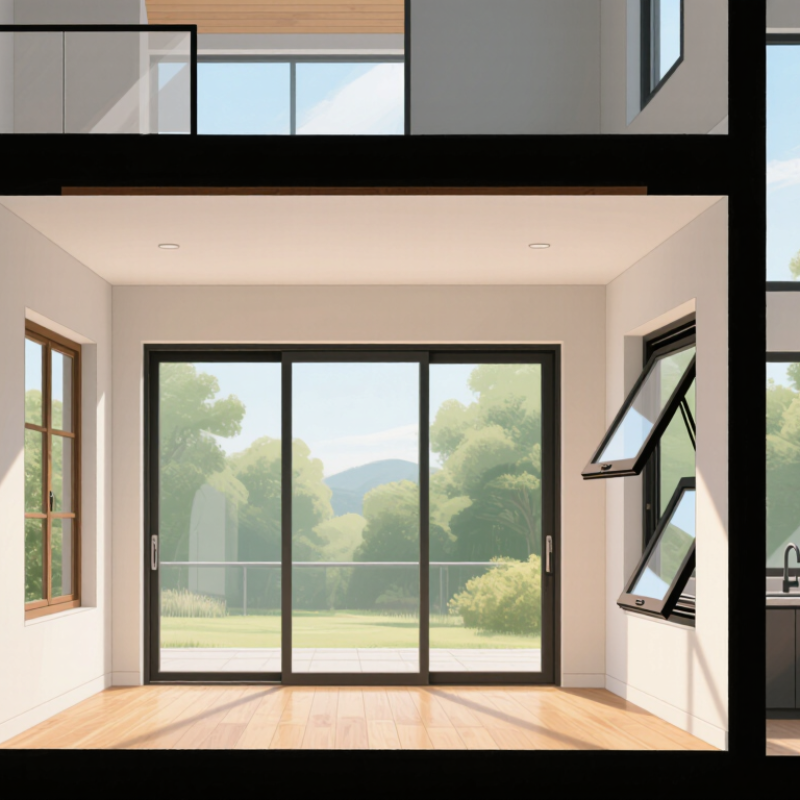
Residential windows are classified in several ways, and the categories describe different things. Operation is one useful starting point: casement windows crank outward, double-hung windows slide vertically, and sliders move horizontally. Fixed windows do not open. Awning windows hinge at the top, which can help keep light rain out while ventilating a room. Each type affects airflow, cleaning access, and how furniture can sit near the opening.
Frame material and glazing are separate classifications. Frames may be wood, vinyl, aluminum, or composite; glazing may be single-, double-, or triple-pane, sometimes with low-emissivity coatings. These labels alone do not predict performance. The U.S. Department of Energy estimates that heat gain and loss through windows account for about 25–30% of residential heating and cooling energy use. The National Fenestration Rating Council’s label reports measures such as U-factor and solar heat gain coefficient, making it easier to compare specific products. Still, a rating cannot account for every installation detail. A poorly sealed frame can undermine a strong specification.
Tips: Match the operating style to the room. Check the NFRC label for your climate, and inspect the sample for smooth movement and tight seals. Small details matter. I would also measure the opening twice; it sounds obvious, but it is easy to rush.
How Common Window Styles Function in Different Spaces
What Are the Best Types of Windows for Homes in 2026?
Window choice works best when it responds to the room, not just the facade. Casement windows crank outward, giving kitchens and study corners a broad opening for fresh air. The sash can catch a breeze, but it needs clear space outside. Measure the swing path. That small check is easy to miss.
Double-hung windows slide vertically, making them useful beside porches, walkways, or rooms with limited exterior clearance. Opening the top sash can release warm air, while the lower sash admits cooler air. Cleaning access varies by model, so confirm how the sashes tilt before buying. Sliding windows move horizontally and suit wide, low openings, such as those above a kitchen counter. They are simple to operate, though only part of the frame opens at once. Check sill height.
Awning windows hinge at the top and open outward, helping shield a small opening from light rain. They often work well in bathrooms or over sinks, but screens and exterior clearance need checking. Picture windows frame a view and bring in daylight, yet they do not open for ventilation. Pairing one with an operable window can balance the view with airflow. Orientation matters: strong afternoon sun may increase glare and heat, even with efficient glazing. Before choosing, compare operation, cleaning access, safety needs, and the room’s actual furniture layout. One awkward detail often decides it: the handle may sit behind a faucet or curtain.
How Frame Materials Affect Window Performance and Care
Window frames do more than hold glass in place. They influence insulation, moisture resistance, maintenance, and how smoothly a window opens years later. In 2026, compare materials alongside glazing and installation quality. A high-performing frame cannot compensate for a poorly sealed opening.
Wood frames offer natural insulation and a warm finish, but exposed surfaces need regular inspection and repainting or sealing. Check corners and lower rails, where rainwater can linger. Vinyl frames need little upkeep; washing with mild soap usually handles dust and grime. However, very dark finishes may absorb more heat, so ask how the frame is rated for your climate. That matters.
Fiberglass frames resist moisture and temperature changes, and they can need less attention than wood. Their upfront cost may be higher, depending on the design and local market. Aluminum is strong and suits narrow sightlines, but standard aluminum conducts heat readily. Thermal breaks help reduce that transfer. Not always enough. Review the full window’s energy data, not just the frame material. Inspect weatherstripping each year, and clear dirt from tracks before it wears down moving parts. It is easy to focus on the frame and overlook installation; that is a mistake worth reconsidering.
How to Compare Energy Efficiency, Cost, and Durability
In 2026, the best window depends on your climate, home, and budget. Compare the complete window, not just the glass. Double glazing often suits moderate climates, while triple glazing can help in colder regions. It also costs more and may not pay back quickly in a mild area. Numbers matter. Check the unit’s energy rating, air leakage, and solar heat gain; the right balance depends on local weather and window direction. A sunny south-facing room may need different glazing than a shaded bedroom.
Frame material affects price, upkeep, and lifespan. Vinyl is often budget-friendly and needs little maintenance, but quality and performance vary. Fiberglass tends to resist expansion and contraction, though it may cost more upfront. Wood offers a classic look and insulation, but exposed paint or finishes need attention. Aluminum is strong and slim, yet can transfer heat unless designed with a thermal break. There is no perfect scorecard. I’d be cautious about choosing by material alone. Installation matters just as much: gaps around a new frame can cause drafts, even with efficient glass. Ask for itemized quotes that include installation, warranty terms, and disposal. A slightly higher purchase price may be reasonable if it reduces maintenance or heating costs, but estimates should reflect your home, not a generic promise.
How to Choose Windows for a Home in 2026
What Are the Best Types of Windows for Homes in 2026?
How to Choose Windows for a Home in 2026
Choosing windows starts with your climate, not a trend. The U.S. Department of Energy estimates that heat gain and loss through windows account for 25–30% of home heating and cooling energy use. In cold regions, well-sealed double- or triple-pane windows can reduce drafts near a chilly sill. In sunny climates, low-emissivity glass can help limit unwanted heat. There is no universal winner.
Compare performance labels before choosing a style. The National Fenestration Rating Council label lists U-factor and Solar Heat Gain Coefficient; lower U-factor generally means better insulation, while SHGC helps assess solar heat entering the home. Casement windows often seal tightly when closed, while fixed windows cannot open but may suit rooms needing more daylight. Check frame material, maintenance needs, and whether the window fits the existing opening. A premium feature can be poor value in a mild climate.
Tips: Ask a qualified installer to inspect the frame and measure the opening before ordering. Request ratings suited to your local climate, and compare the full installed cost. Small gaps matter. Even an efficient window may disappoint if air leaks around its edges.