Best Windows For Homes Tips to Improve Energy Efficiency and Aesthetic Appeal
As homeowners increasingly seek ways to enhance both energy efficiency and aesthetic appeal, the choice of “Windows For Homes” emerges as a pivotal consideration. Experts in the industry, such as Peter Reynolds, a renowned architect specializing in sustainable design, emphasize the significance of this decision. He states, “Well-chosen windows do not only bring natural light and beauty into a home, but they also play a critical role in reducing energy consumption and costs.”
In today’s market, windows are more than just an architectural feature; they are a fundamental part of a home’s energy envelope. With advancements in technology and design, there are now a variety of window options available that can significantly enhance both the exterior appearance and the interior comfort of a residence. By making informed choices regarding materials, styles, and glazing, homeowners can create inviting spaces while contributing to energy savings and sustainability.
Furthermore, the interplay between design and function makes the selection of “Windows For Homes” a unique opportunity to express personal style while improving performance. In this guide, we will explore essential tips and insights on selecting the best windows that not only beautify homes but also promote a more energy-efficient living environment.
Choosing the Right Window Materials for Energy Efficiency
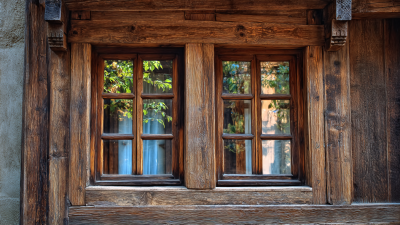
When it comes to enhancing energy efficiency in homes, the choice of window materials plays a crucial role. Different materials have varying thermal properties that can significantly impact heating and cooling costs. For instance, vinyl windows are known for their excellent insulation capabilities, making them a popular choice for homeowners looking to maintain comfortable indoor temperatures without over-relying on heating or air conditioning systems. Likewise, wood frames, while requiring more maintenance, offer natural insulating properties that can help reduce energy loss.
In addition to insulation, the aesthetic appeal of window materials should also be considered. Options such as fiberglass provide a modern look with the added benefit of energy efficiency. These materials can be designed to mimic the appearance of wood while maintaining superior insulating characteristics. Moreover, aluminum-clad windows are another stylish choice; they combine the durability of aluminum on the exterior with the warmth of wood on the inside, effectively merging energy efficiency with design flexibility. By carefully selecting the right window materials, homeowners can achieve a balance between aesthetic appeal and long-term energy savings.
Energy Efficiency of Different Window Materials
Understanding Window Styles for Enhancing Aesthetic Appeal
When it comes to enhancing the aesthetic appeal of homes, understanding different window styles is essential. Windows are not merely functional components; they serve as a critical design element that can elevate a home's overall look. According to the American Institute of Architects, over 70% of homeowners consider window styles a significant factor in their home’s curb appeal. For instance, traditional double-hung windows provide a classic look that complements various architectural styles, while casement windows offer a modern touch with their sleek lines and abundant natural light.
Incorporating energy-efficient window designs also boosts the home's aesthetic while ensuring better energy conservation. The U.S. Department of Energy notes that energy-efficient windows can reduce household energy bills by up to 15%, making them a practical choice for homeowners. Features like low-emissivity (Low-E) glass and argon gas insulation not only enhance performance but also contribute to a polished aesthetic by reducing glare and improving visibility. By selecting the appropriate window styles and materials, homeowners can achieve a harmonious balance between beauty and functionality, leading to a more inviting and energy-efficient living space.
Best Windows For Homes Tips to Improve Energy Efficiency and Aesthetic Appeal
| Window Style |
Energy Efficiency Rating |
Aesthetic Appeal |
Maintenance Requirements |
| Double-Hung |
High |
Classic, Versatile |
Low |
| Casement |
Very High |
Modern, Sleek |
Moderate |
| Sliding |
Medium |
Contemporary |
Low |
| Bay or Bow |
High |
Elegant, Spacious |
Moderate |
| Picture |
Very High |
Stunning Views |
Low |
Exploring Energy-Efficient Window Technologies and Features
Advancements in window technologies have opened a new frontier in energy efficiency for homes, significantly impacting both cost savings and aesthetic appeal. According to the U.S. Department of Energy, windows account for approximately 25% to 30% of residential heating and cooling energy use. Consequently, selecting energy-efficient windows not only enhances interior comfort but also substantially reduces energy bills over time.
One notable feature in modern windows is low-emissivity (Low-E) glass, which is coated with a thin metallic layer that reflects heat while allowing light to enter. This technology can reduce energy loss in homes by up to 30% to 50% compared to traditional glass options, as reported by the National Renewable Energy Laboratory. Complementing Low-E glass, insulated frames and triple-glazed panes further elevate performance, offering better thermal resistance and noise reduction. The integration of advanced window technologies thus directly contributes to creating a sustainable living environment, marrying functionality with design elegance.
Installing Windows for Optimal Insulation and Performance
When it comes to enhancing your home's energy efficiency, the selection and installation of windows play a crucial role. Properly installed windows contribute significantly to optimal insulation, helping to maintain a comfortable indoor temperature while reducing reliance on heating and cooling systems. High-performance windows, designed with advanced glazing technologies, can greatly limit heat transfer, keeping homes warmer in winter and cooler in summer. This ensures that energy consumption is minimized, leading to lower utility bills and a reduced carbon footprint.
Another critical aspect of installing windows is ensuring that they are fitted correctly to prevent air leaks. Gaps around window frames can lead to significant energy loss. Employing weather stripping and caulking during installation can enhance the air-tightness of windows, further improving insulation performance. It is also important to consider the window orientation and shading, as strategically placed windows can maximize natural light while minimizing heat gain from the sun, optimizing both the aesthetic appeal and energy efficiency of your home.
Maintaining Windows for Long-Term Energy Savings and Visual Appeal
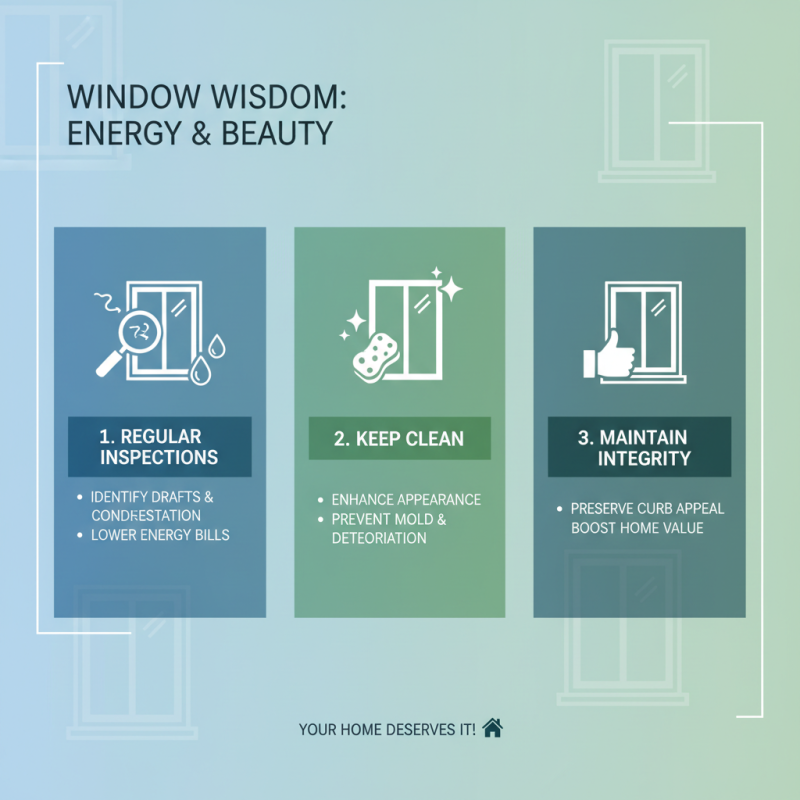
Maintaining windows is essential for ensuring energy efficiency and preserving the visual appeal of your home. Regular inspections can help identify issues such as drafts or condensation, which can significantly impact your energy bills. Keeping window frames clean and free from dirt not only enhances their appearance but also prevents moisture buildup that could lead to mold or deterioration.
To improve the longevity of your windows, consider utilizing weatherstripping and caulking techniques. This will create a better seal against the elements, making your home feel cozier in the winter while reducing the need for excessive heating. Additionally, ensure that your windows are regularly lubricated to facilitate smooth operation and prevent wear over time.
Investing time in maintenance can yield long-term energy savings. When combined with energy-efficient window treatments, such as shades or drapes, this can greatly enhance your home's energy profile. Aesthetic appeal can also be boosted by choosing window designs that blend seamlessly with your home’s exterior. By following these tips, you can achieve both improved energy efficiency and a visually appealing living space.