10 Best Wood Clad Windows for Global Buyers?
Choosing the 10 Best Wood Clad Windows for Global Buyers requires more than comparing glossy photographs and advertised energy ratings. These windows combine a warm timber interior with an exterior protective layer, often aluminum, fiberglass, or engineered composite. That combination can improve durability, but performance depends on design, installation, climate, and maintenance.
Building scientist Joe Lstiburek has often warned, “Water is a building’s worst enemy.” His observation is especially relevant to Wood Clad Windows. A poorly detailed sill can collect rainwater behind the cladding. An exposed coastal site may demand stronger corrosion resistance. A cold mountain home may need low U-values, warm-edge spacers, and carefully tested air seals. Small details matter.
This guide evaluates leading products through practical evidence. It considers frame construction, glazing options, weather performance, thermal efficiency, hardware quality, warranty clarity, repair access, and regional support. It also examines how manufacturers handle tropical humidity, severe winters, strong sunlight, and driving rain. Product testing is important. So is installer experience.
No ranking is flawless. A premium window can still fail when fitted carelessly. A modestly priced model may perform well in the right wall system. That is an uncomfortable truth. Global buyers should compare certified test data, local building requirements, delivery conditions, and after-sales service before choosing. Samples should be inspected closely. Look at the corner joints, drainage paths, gasket compression, and finish consistency. The best Wood Clad Windows are not simply attractive. They must remain dependable when weather becomes difficult.
What Wood Clad Windows Are and Why Global Buyers Choose Them
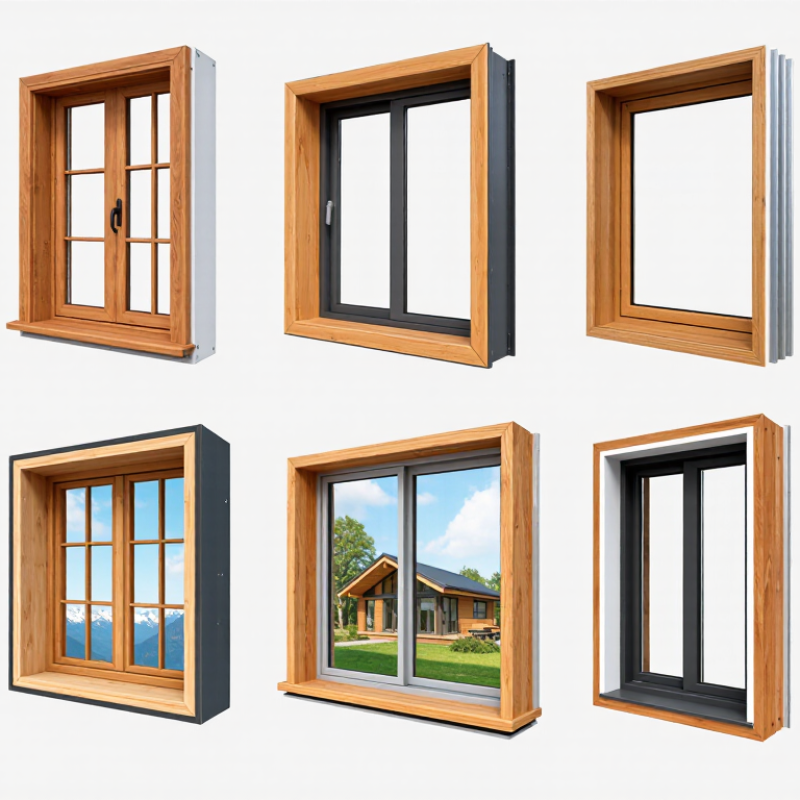
Wood clad windows combine a warm timber interior with a protective exterior layer, usually aluminum or another weather-resistant material. This design keeps the room feeling natural while reducing exposure to rain, ultraviolet light, and temperature changes. For global buyers, that balance matters in coastal, cold, humid, and high-sun regions.
The best options should offer stable wood, accurate corner joints, durable seals, and reliable drainage paths. Buyers should also check U-values, air leakage ratings, glass specifications, and local installation requirements. A window suitable for northern Europe may need different glazing in a tropical climate. In practical inspections, small details often matter most, such as a tight sash, even paint coverage, and smooth hardware movement. No wood clad window is maintenance-free. The exterior may last for years, but seals and finishes still need inspection. That is easy to underestimate.
Tips: Request tested performance data, warranty terms, maintenance guidance, and sample profiles before ordering. Compare the full delivered cost, including packaging, customs, fitting, and replacement parts. Ask whether the product has been tested for your climate and building standards. A lower purchase price can become expensive after poor installation. I would also inspect real project photos, not only polished showroom images. Look for swelling, uneven gaps, or finish changes around the frame. These imperfections may reveal storage or installation problems. Reliable suppliers should answer clearly and provide consistent technical documents.
10 Best Wood-Clad Windows for Global Buyers
What wood-clad windows are and why global buyers choose them
How to read this chart: Lower thermal conductivity generally indicates better resistance to heat transfer through the frame material. Wood-clad systems combine a low-conductivity wood interior with a durable exterior cladding layer, commonly aluminum, helping balance indoor comfort, weather protection, and long-term maintenance.
Values are approximate reference values in W/m·K. Actual whole-window performance depends on glazing, frame geometry, thermal breaks, installation quality, moisture content, and local climate requirements.
The 10 Best Wood Clad Window Options for Different Buyer Needs
The 10 Best Wood Clad Window Options for Different Buyer Needs
Wood clad windows combine a warm timber interior with a weather-resistant exterior layer. The best choice depends on climate, ventilation, room size, and maintenance expectations. No single design suits every project.
For traditional homes, double-hung windows offer familiar proportions and controlled airflow. Casement windows suit buyers seeking strong ventilation and tighter seals. Awning windows can release air during light rain. Fixed picture windows provide wide views and useful daylight. Sliding windows work well where exterior clearance is limited. Bay or bow configurations add interior space, although installation costs can rise quickly.
Tilt-and-turn windows appeal to buyers who value flexible cleaning and secure ventilation. Folding window systems connect indoor and outdoor areas, but their hardware needs careful adjustment. Custom arched windows support distinctive architecture, yet replacement parts may be less convenient. High-performance impact-rated units can suit exposed coastal regions, provided local testing requirements are checked.
Look for verified air, water, and structural performance rather than attractive photographs alone. Confirm the exterior cladding material, drainage design, glazing specification, and warranty terms. Timber species also matter; poorly finished wood can discolor around corners and glazing beads. A low-maintenance exterior is helpful, but it does not eliminate inspections. No list is perfect. Experienced installers should review wall depth, flashing, and local weather before ordering.
Comparing Materials, Glass, Energy Efficiency, and Maintenance
For a global buyer, the ten best wood-clad windows should be compared by performance, not appearance alone. Wood interiors feel warm and reduce condensation near cold glass. Aluminum or fiberglass exteriors resist rain, ultraviolet exposure, and impact. However, untreated wood can swell around poorly sealed joints. That detail matters in coastal and tropical climates.
Glass changes the result. Low-emissivity coatings reduce radiant heat transfer, while argon-filled double glazing improves insulation. Triple glazing can perform better in severe winters, but it adds weight and cost. The U.S. Department of Energy reports that windows can account for 25–30% of residential heating and cooling energy use. ENERGY STAR data also indicates that certified window replacements can reduce household energy bills by about 12%, though savings vary by climate and installation quality. Check both U-factor and solar heat gain coefficient on the NFRC label. Lower U-factor means better insulation. SHGC needs regional judgment.
Maintenance is less dramatic than many buyers expect, but it is not zero. Inspect exterior joints annually, especially after heavy rain. Recoat exposed wood when the finish becomes thin or chalky. A ten-year finish claim may fail sooner under strong sun. I would question it. Installation deserves equal attention; DOE guidance notes that air leakage can undermine high-performance glazing. A well-installed double-glazed unit may outperform a badly fitted triple-glazed unit.
How to Select and Purchase Wood Clad Windows Across Global Markets
Buying wood-clad windows across global markets starts with climate, not appearance.
A coastal home needs durable exterior protection, while a dry continental region demands careful moisture control. Compare timber species, cladding material, drainage paths, and factory-applied finishes. Aluminum usually handles harsh exposure well, but its color and thermal design still matter. Composite cladding can reduce maintenance, yet its repair options may vary by country.
Check the window’s whole-unit U-value, solar heat gain coefficient, air leakage, and water resistance. Do not compare center-glass figures with whole-window performance. That mistake is common. Ask for independent test reports, certification references, and installation tolerances before paying a deposit.
A reliable purchase also depends on local compliance and practical delivery planning. Confirm required energy labels, safety glazing rules, fire requirements, and structural ratings with a qualified local professional. Request drawings showing frame dimensions, sill details, flashing, and interior vapor control. Details matter.
For overseas orders, clarify packaging, port responsibility, customs documents, replacement parts, and warranty service. A low quoted price can hide installation risk or delayed components. Specify who measures openings and who accepts damage at delivery.
I would leave space for currency changes and seasonal shipping delays. Not every “best” window fits every wall. Review condensation behavior after installation, especially in rooms with high humidity.
A small mock-up can reveal handle reach, frame color, and drainage performance before full production. In practice, buyers sometimes prioritize glass ratings and overlook the installer. That is worth reconsidering.