How to Choose Passivhaus Windows for Maximum Energy Efficiency
When considering energy efficiency in modern architecture, the choice of windows is critical, particularly when striving for Passivhaus certification. Passivhaus Windows are designed to meet stringent energy performance standards that significantly reduce heating and cooling demands. According to the Passivhaus Institut, buildings adhering to these principles can see energy consumption decreases of up to 75% compared to conventional structures. This remarkable efficiency not only leads to lower utility bills for homeowners but also contributes to a substantial reduction in greenhouse gas emissions.
In selecting Passivhaus Windows, it is essential to evaluate various factors such as insulation properties, airtightness, and solar gain management. A study published by the National Renewable Energy Laboratory emphasizes that windows account for 10-25% of total heat loss in a building. Therefore, investing in high-performance glazing and framing systems can greatly enhance the overall energy performance of a Passivhaus building. Additionally, thorough understanding of local climate conditions and orientation of windows can further optimize the benefits of Passivhaus Windows, harnessing natural light while minimizing unwanted heat loss or gain. As energy efficiency continues to gain momentum, knowledge in selecting the right windows is fundamental for sustainable building practices.
Understanding Passivhaus Standards for Windows
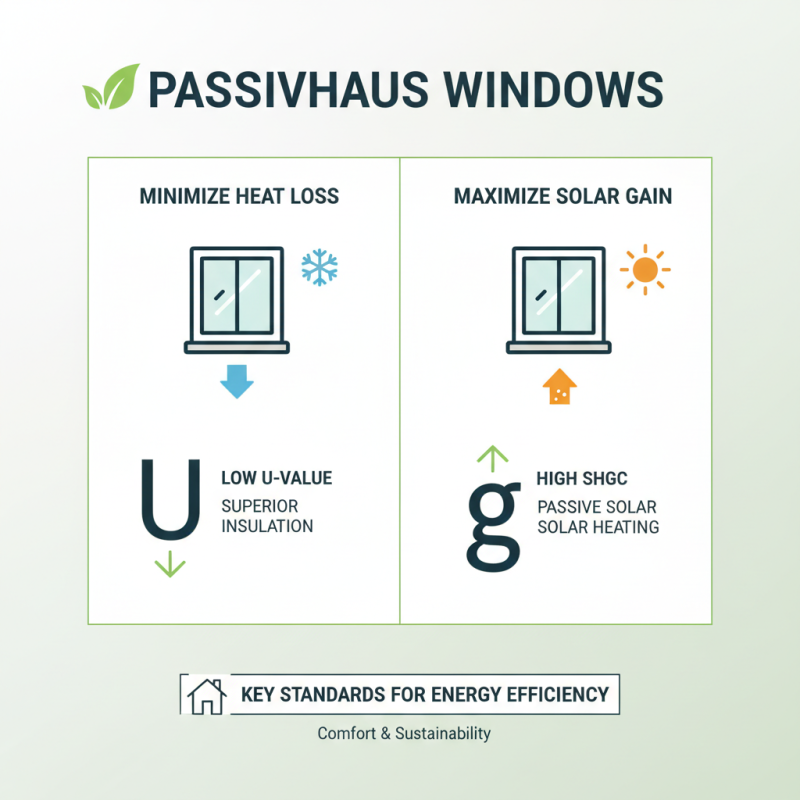
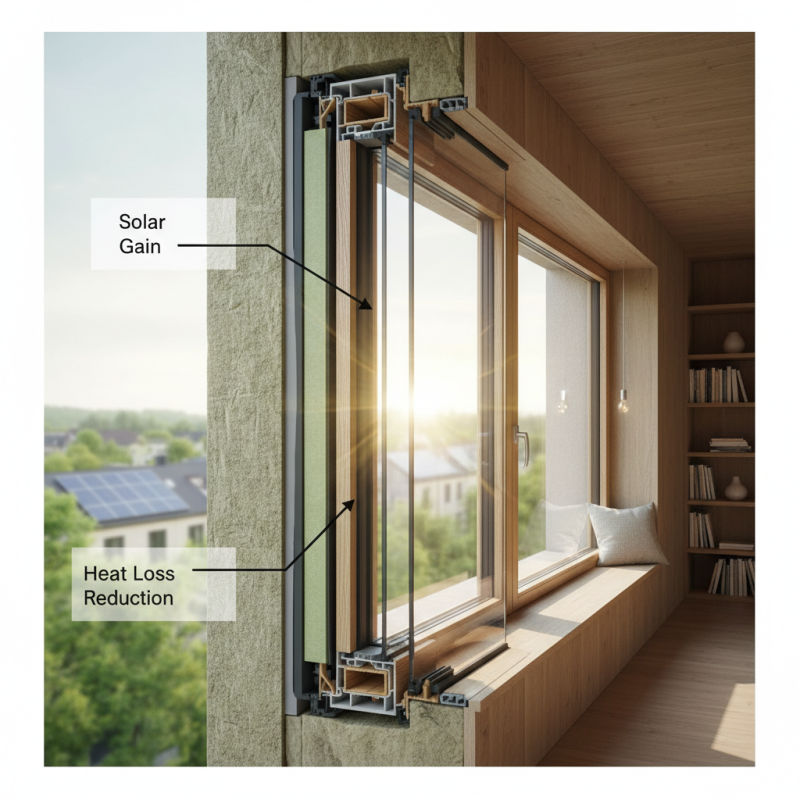
When selecting windows for a Passivhaus project, it’s essential to understand the specific energy efficiency standards that define this building approach. Passivhaus standards emphasize high-performance windows that minimize heat loss while allowing beneficial solar gains. This includes requirements for low U-values, which indicate better insulation effectiveness, and high solar heat gain coefficients, ensuring that passive solar heating can contribute to indoor comfort.
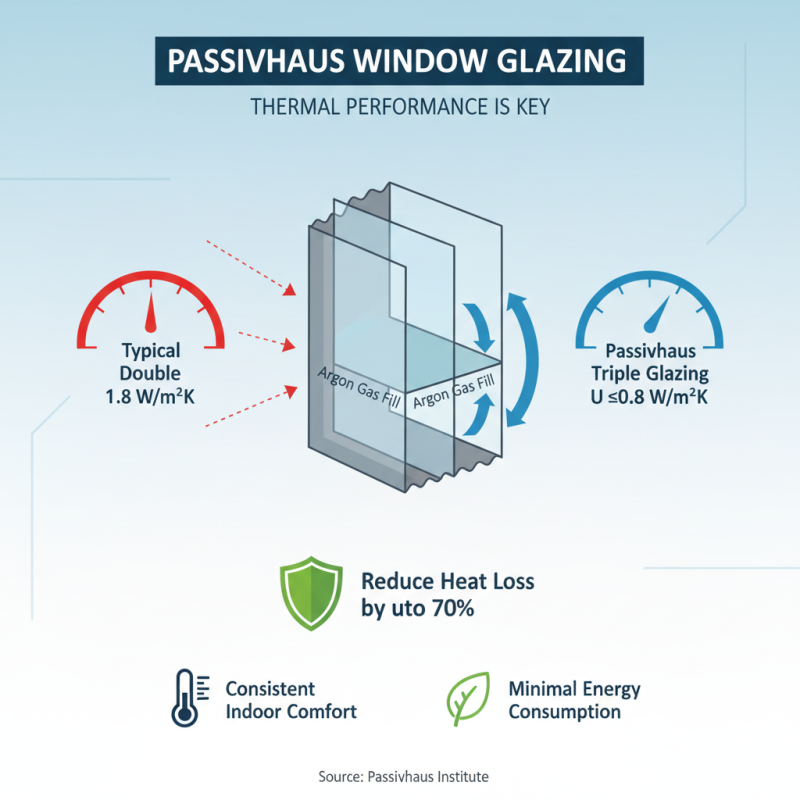
One crucial tip when choosing Passivhaus windows is to consider triple glazing, as it significantly enhances thermal performance. Beyond simply the number of panes, the space between them should be filled with an inert gas, such as argon or krypton, for improved insulation. Additionally, look for window frames that have good thermal break properties to reduce conductive heat loss.
Another important consideration is the orientation and placement of the windows within the building. Optimal placement can maximize natural light and heating from the sun while minimizing heat loss during colder months. Strategically using shading devices can further enhance these benefits. Additionally, ensure that the windows are installed according to strict airtightness standards, as even small gaps can compromise energy efficiency.
Key Features of Energy-Efficient Windows
When choosing Passivhaus windows for maximum energy efficiency, several key features should be prioritized to ensure optimal performance. First and foremost, it is essential to consider the window's U-value, which measures the rate of heat transfer. Lower U-values indicate better insulation; therefore, look for windows with U-values that meet or exceed the stringent standards of Passivhaus certification. Triple glazing is often recommended, as it provides superior thermal insulation compared to double glazing, reducing heat loss during colder months.
Another critical aspect to evaluate is the air tightness of the windows. Proper sealing is vital to prevent draughts and enhance overall energy efficiency. Windows designed specifically for Passivhaus standards typically include advanced airtight framing systems and high-quality weatherstripping. Additionally, the solar gain coefficient is important; windows should maximize natural light and passive solar heating while minimizing overheating in summer. Selecting windows with low solar heat gain coefficients can help maintain comfortable indoor temperatures throughout the year.
By focusing on U-value, air tightness, and solar gain, you can ensure your Passivhaus windows contribute effectively to energy-efficient building design.
Materials and Construction Techniques for Passivhaus Windows
When selecting windows for a Passivhaus, the materials and construction techniques employed play a pivotal role in achieving superior energy efficiency. The primary goal of Passivhaus design is to minimize energy consumption while maximizing comfort, which necessitates windows that meet stringent criteria. For instance, triple glazing is often recommended, as it significantly reduces heat loss through U-values that can reach as low as 0.8 W/m²K, far exceeding conventional windows. The choice of frame materials is also critical; wooden, fibreglass, and high-quality PVC frames can provide excellent thermal insulation, with thermal transmittance values (Ψ-values) of less than 0.04 W/mK, aligning with Passivhaus standards.
Moreover, the construction techniques employed in making Passivhaus windows should ensure Airtightness and minimal thermal bridging. Innovative sealing methods and frames designed to prevent condensation can enhance the overall performance of the windows. Recent studies have indicated that properly installed high-performance windows can reduce a building's heating demand by up to 90%, making them indispensable in the Passivhaus approach. Furthermore, the integration of solar control and Low-E coatings can optimize natural light while minimizing unwanted heat gain, contributing to the energy efficiency of the building envelope. By prioritizing these materials and construction methodologies, homeowners can ensure that their window choices significantly impact their overall energy performance.
Selecting the Right Glazing Options for Thermal Performance
When selecting glazing options for Passivhaus windows, thermal performance should be a primary consideration. The Passivhaus standard emphasizes the importance of minimizing heat loss through high-quality insulation and efficient glazing systems. According to the Passivhaus Institute, windows can account for up to 30% of a building's heating demand when improperly designed. Choosing triple-glazed units, for example, can significantly reduce heat transfer, achieving U-values as low as 0.8 W/m²K, which is essential for maintaining comfortable indoor temperatures with minimal energy consumption.
Another critical factor is the solar gain coefficient (SHGC), which measures how much solar radiation passes through the window. Ideal glazing should balance the need for natural light with the reduction of unwanted heat gain. Research indicates that optimal SHGC values for Passivhaus projects typically range from 0.4 to 0.5, allowing homes to capture beneficial solar energy during colder months while preventing overheating in summer. Additionally, low-emissivity (low-E) coatings can further enhance thermal performance by reflecting infrared light, keeping interiors warm without sacrificing daylight. Selecting the right glazing technology not only supports energy efficiency goals but also significantly contributes to the overall sustainability of Passivhaus buildings.
Assessing Cost-Effectiveness and Return on Investment
When selecting Passivhaus windows, it's essential to assess their cost-effectiveness and expected return on investment. High-performance windows often come with a higher upfront cost, but their superior insulation and energy efficiency can lead to significant savings on heating and cooling bills over time. To make an informed decision, property owners should calculate the potential energy savings against the initial investment. Analyzing the payback period can help gauge how long it will take for the reduced energy costs to offset the expense of upgrading to Passivhaus windows.
Moreover, consider the longevity and durability of the windows as part of the overall financial picture. While the initial cost may be higher, these energy-efficient windows are typically designed to last longer and require less maintenance, which can further enhance their cost-effectiveness. Additionally, potential increases in property value due to improved energy performance should not be overlooked. By evaluating both immediate and long-term financial impacts, homeowners can ensure that their investment in Passivhaus windows aligns with their energy efficiency goals while also contributing positively to their overall financial health.