How to Choose the Best Casement Windows for Your Home Renovation Project
When embarking on a home renovation project, one of the most significant decisions can be the selection of the right windows. Among various types, "casement windows" have gained popularity due to their aesthetically pleasing design and functional advantages. According to the American Architectural Manufacturers Association (AAMA), casement windows are favored for their energy efficiency, offering a potential reduction in energy costs by up to 30% compared to traditional double-hung windows. This efficiency is attributed to their tight seal when closed, minimizing air leakage and improving thermal performance.
In addition to energy savings, casement windows are heralded for their unparalleled ventilation capabilities. The Natural Resources Canada (NRCan) states that casement windows, which open outward, can capture breezes from any angle, allowing homeowners to maximize airflow in their living spaces. Furthermore, they often come equipped with multi-point locking systems that enhance security, providing peace of mind to residents. As you consider various options for your home renovation, it's crucial to assess these functional and aesthetic benefits of casement windows, ensuring that your investment not only complements your home’s style but also enhances its overall comfort and efficiency.
Understanding the Basics of Casement Windows and Their Benefits
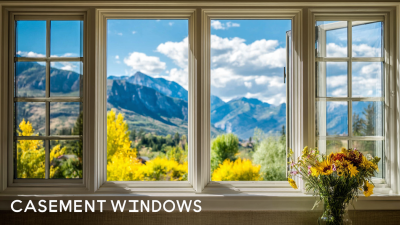
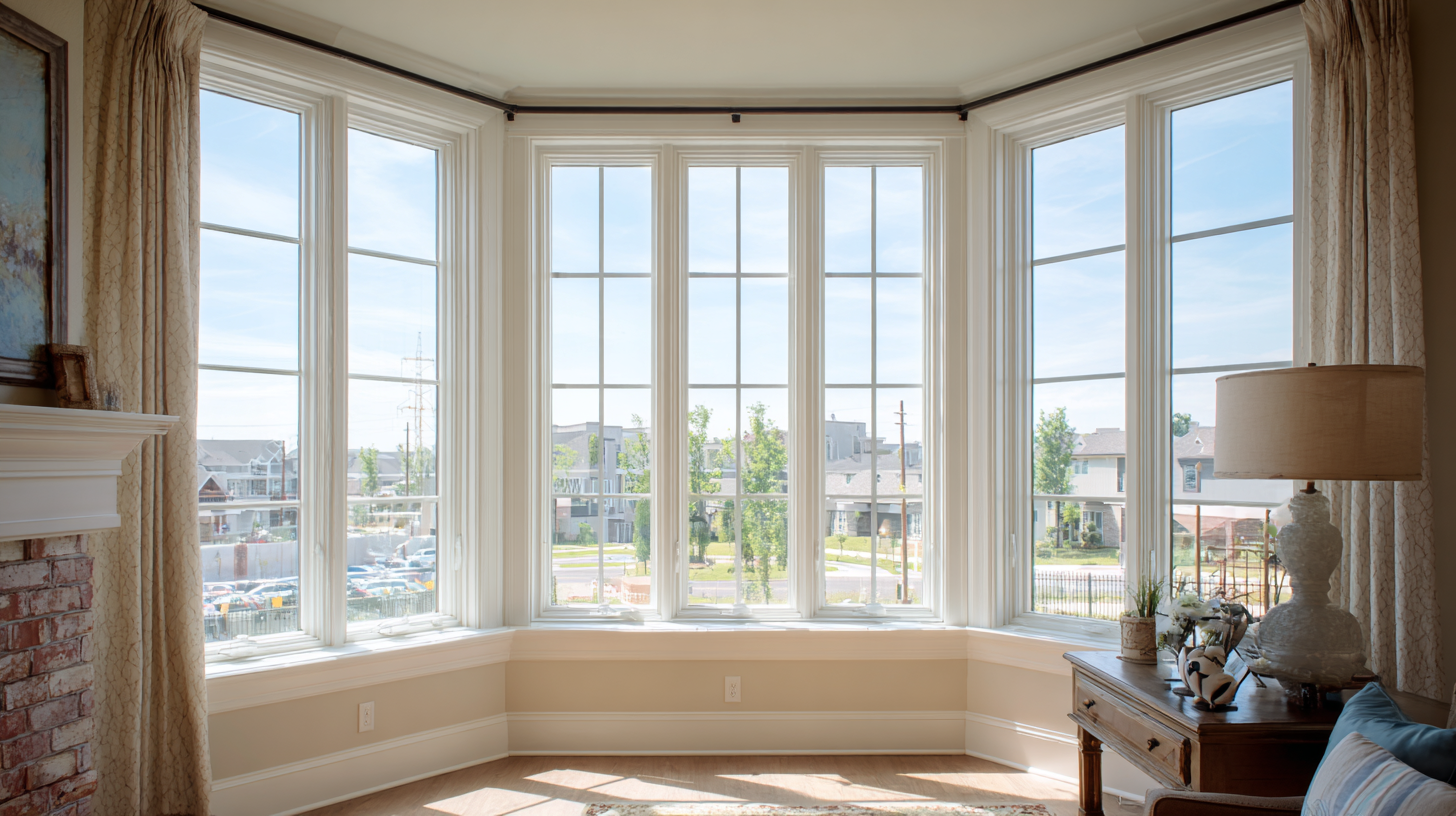
Casement windows are a popular choice for homeowners looking to enhance both the aesthetics and functionality of their spaces. These windows are hinged on one side and open outward, providing excellent ventilation and unobstructed views. One of the key benefits of casement windows is their ability to catch the breeze effectively, allowing fresh air to circulate throughout your home. This feature makes them particularly desirable for areas with mild climates, where homeowners can enjoy natural cooling.
In addition to their practical advantages, casement windows offer superior energy efficiency compared to other window types. The tight seal created when they close helps to minimize air leaks, reducing energy costs and maintaining consistent indoor temperatures. Furthermore, they are available in a wide range of styles and materials, ensuring that you can find the perfect match for your home's design. The combination of functionality, efficiency, and aesthetic appeal makes casement windows a smart investment for any home renovation project.
Key Factors to Consider When Selecting Casement Windows
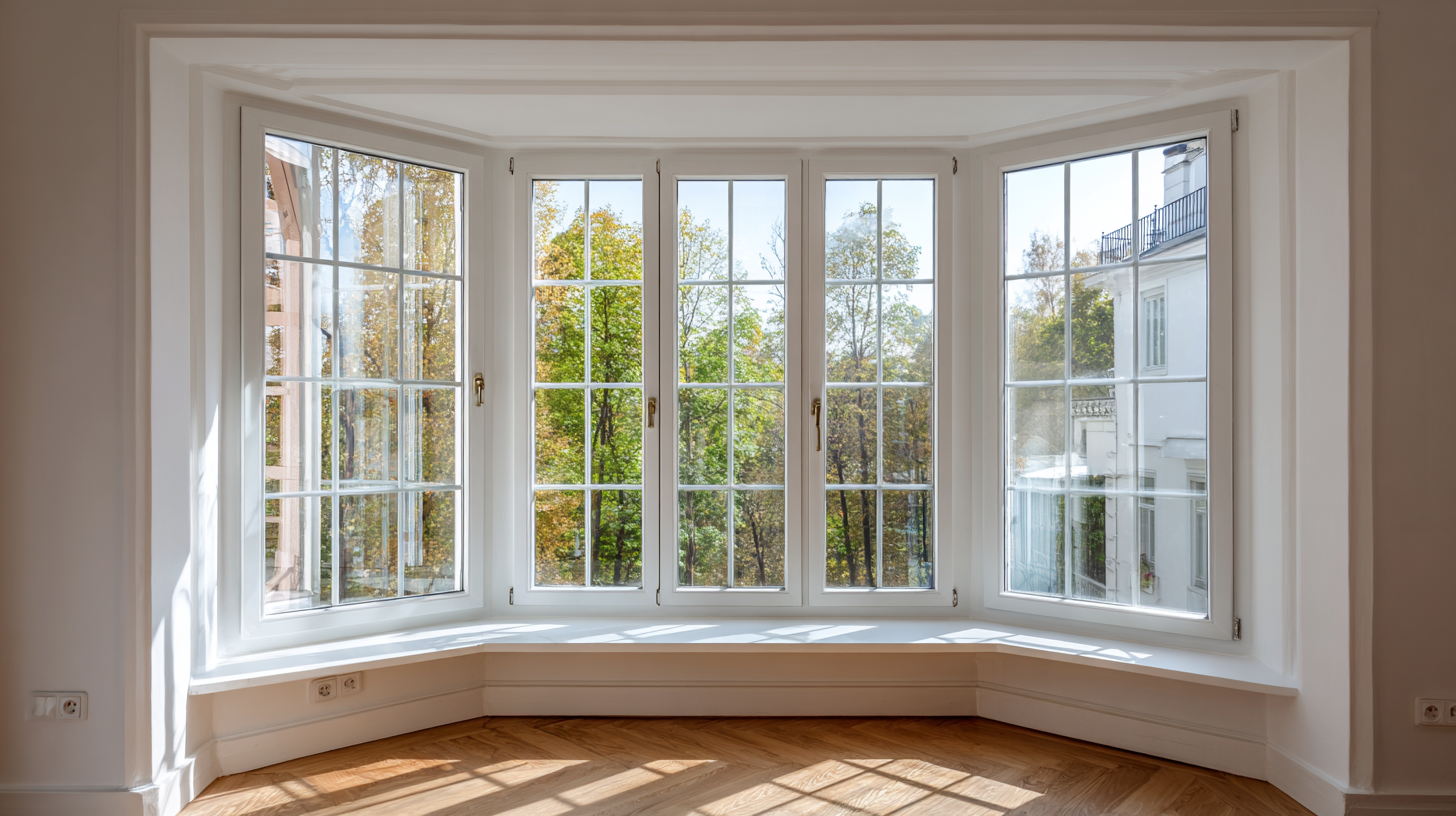
When selecting casement windows for your home renovation project, several key factors should be carefully considered to ensure both aesthetic appeal and functional performance. First, the style of your home plays a crucial role in the type of casement windows you choose. Traditional homes may benefit from classic designs with divided lights, while contemporary styles might call for sleek, minimalist frames. Ensure that the windows' finish and color complement your exterior for a cohesive look.
Another important factor is energy efficiency. Look for casement windows that come with a high Energy Star rating, as this indicates superior insulation and reduced energy costs. Double or triple-glazing options can significantly enhance thermal performance. Additionally, consider the material of the window frames; vinyl, wood, and fiberglass all offer different benefits in terms of maintenance, durability, and insulation. Lastly, factor in the local climate to choose windows that can withstand environmental stressors, ensuring longevity and reliability in performance.
How to Choose the Best Casement Windows for Your Home Renovation Project - Key Factors to Consider When Selecting Casement Windows
| Factor |
Description |
Importance Rating (1-5) |
Material Options |
| Energy Efficiency |
Look for windows with good insulation properties to reduce energy costs. |
5 |
Vinyl, Wood, Aluminum |
| Durability |
Choose materials that withstand weather conditions and wear. |
4 |
Fiberglass, Wood-clad, Vinyl |
| Aesthetic Appeal |
Select styles and colors that match your home’s architecture. |
4 |
Variety of finishes and designs |
| Ease of Operation |
Choose windows that are easy to open and close, ensuring functionality. |
5 |
Single or double-handled options |
| Cost |
Consider your budget while selecting the quality and features needed. |
3 |
Varies by material and manufacturer |
Different Materials Used in Casement Window Manufacturing
When selecting casement windows for your home renovation project, the material used in their construction plays a critical role in both aesthetics and performance. Common materials include vinyl, wood, and aluminum, each offering distinct advantages. Vinyl windows are budget-friendly and highly resistant to moisture and fading, making them an excellent choice for areas with extreme weather conditions. Their low maintenance needs are particularly appealing to homeowners looking for durability without sacrificing style.
Wooden casement windows, on the other hand, provide a timeless, classic look that can enhance the character of any home. While they require more maintenance to prevent rot and damage from moisture, advancements in treatment technology have made many wooden options more resilient. Additionally, wooden windows can be easily customized with various finishes and colors, allowing for greater design flexibility. Lastly, aluminum windows are prized for their strength and modern aesthetic. Though they can conduct heat, the introduction of thermal breaks in design helps to mitigate energy efficiency concerns, making them suitable for contemporary homes. Each material has unique properties that can affect your home's energy efficiency, aesthetic appeal, and overall value, making careful selection crucial.
Energy Efficiency Ratings and Options for Casement Windows
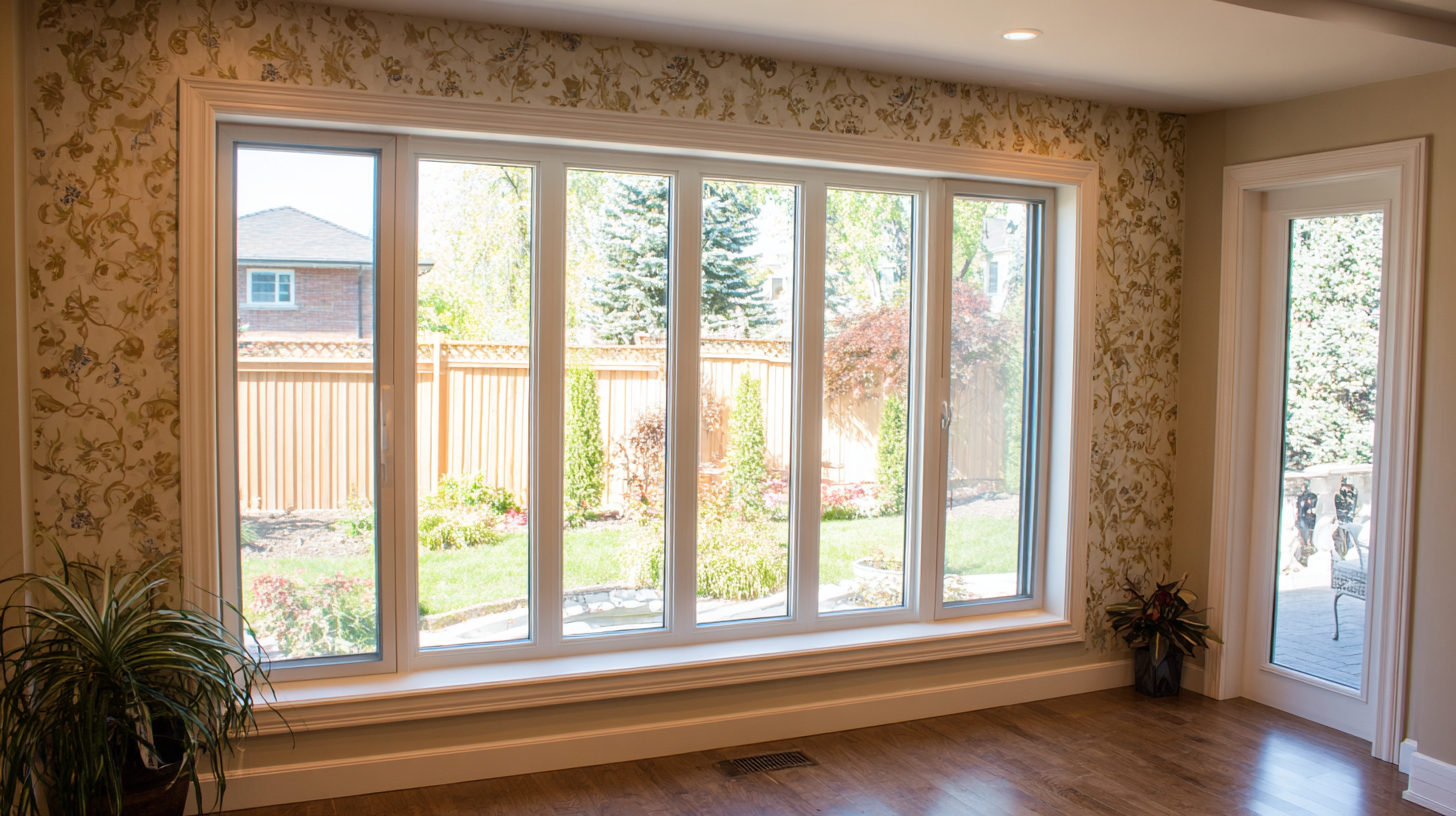 When selecting casement windows for your home renovation, energy efficiency should be a top priority. Casement windows are celebrated for their ability to provide excellent ventilation and tight seals when closed, minimizing air leakage. According to the U.S. Department of Energy, windows account for up to 30% of a home's heating and cooling energy use, making it crucial to choose window options with high energy efficiency ratings.
Energy efficiency ratings, such as the National Fenestration Rating Council (NFRC) labels, provide insight into the performance of windows. Look for windows with a low U-factor, which indicates better insulation and reduced heat transfer. The Energy Star certification also signifies that a window meets strict energy efficiency guidelines defined by the U.S. Environmental Protection Agency. Many casement windows now boast U-factors as low as 0.20, significantly improving the thermal performance of homes. Coupled with double or triple glazing and low-E glass coatings, these windows can substantially lower energy bills while enhancing indoor comfort.
Consider the frame materials too, as they play a pivotal role in energy efficiency. Vinyl and fiberglass frames tend to outperform traditional wood frames in terms of insulation and maintenance. As reported by the Efficient Windows Collaborative, upgrading to energy-efficient casement windows can lead to energy savings of up to $465 annually in moderate climates, making them a worthy investment for your renovation project.
Aesthetic Styles: Matching Casement Windows to Your Home Design
When considering casement windows for your home renovation, it's crucial to align their aesthetic style with your overall home design. According to a report from the American Institute of Architects, more homeowners are opting for casement windows due to their modern appeal and energy efficiency. This can lead to a 15% increase in home value when paired correctly with the architectural style of the house. For contemporary designs, sleek, minimalist casement windows with wide glass panels enhance the openness and light of a space, but for more traditional homes, options with decorative grilles can complement classic aesthetics.
Tip: When selecting casement windows, consider the color palette and materials of your existing structures. Windows in earth tones can blend seamlessly with brick or stucco exteriors, while white or off-white casement windows can lend a timeless look to more traditional homes.
Furthermore, integrating casement windows with your landscaping can enhance the visual appeal. According to the National Association of Home Builders, homes that feature well-coordinated window styles not only benefit from aesthetic harmony but also improve energy efficiency, leading to savings of up to 20% on heating and cooling costs.
Tip: Pay attention to the window size and placement. Larger, strategically placed casement windows can amplify views and natural light, creating a welcoming atmosphere that connects indoor and outdoor spaces.