How to Choose High Performance Windows for Your Home?
Choosing high performance windows for your home is essential in today's energy-conscious environment. Research from the Department of Energy indicates that about 30% of residential energy consumption happens through windows. Therefore, selecting the right windows can significantly impact energy efficiency and comfort.
Renowned window expert Dr. Lisa Green emphasizes, "High performance windows are not just an investment; they redefine living spaces." Her insights highlight the importance of understanding specific window ratings, such as U-factor and Solar Heat Gain Coefficient. These metrics guide homeowners in identifying the best options suited to their climate and lifestyle needs.
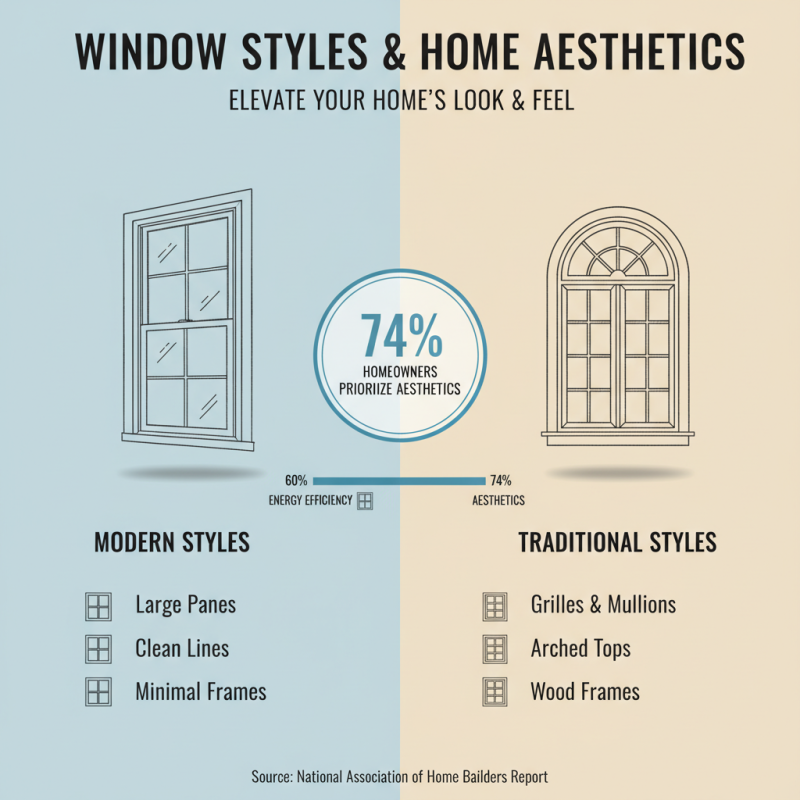
Many homeowners overlook these details, often resulting in poor choices. It’s crucial to balance aesthetics with functionality. While the design might attract attention, energy-saving capabilities can lead to long-term savings. Investing in high performance windows means considering the future alongside immediate needs. Reflecting on these points can help ensure that your selection stands the test of time.

Understanding the Importance of High-Performance Windows
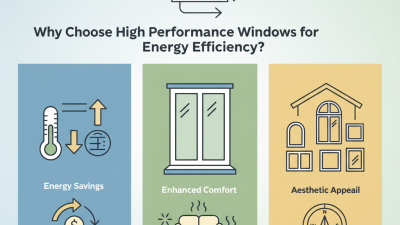
When selecting windows for your home, performance matters.
High-performance windows can greatly impact energy efficiency.
According to a report by the U.S. Department of Energy, windows account for up to 25% of residential heating and cooling energy use.
This highlights their importance in maintaining indoor comfort.
High-performance windows offer superior insulation and reduce energy loss.
They employ advanced technologies like low-emissivity coatings and argon gas fills.
A study by the Efficient Windows Collaborative shows that homes with these windows can save up to
$465 annually on energy bills.
These savings can offset the higher initial costs over time.
Still, not every window marketed as high-performance meets the desired criteria.
It's crucial to verify performance ratings before making a selection.
Many homeowners overlook the impact of window choices.
Even a small gap can lead to significant energy loss.
Poor installation can negate the benefits of high-performance windows too.
It's essential to focus on quality and proper installation to maximize efficiency.
Understanding these factors can help homeowners make informed decisions and improve their living environment.
Evaluating Window Frame Materials for Energy Efficiency
When choosing windows for your home, the frame material is crucial. Different materials offer various levels of energy efficiency. Wood frames are attractive and provide good insulation. However, they require regular maintenance and can be susceptible to water damage. Sometimes, the beauty of wood can come at a cost.
Vinyl frames are gaining popularity. They are durable, energy-efficient, and low-maintenance. However, they can buckle under extreme heat, leading to gaps. This issue should be carefully considered. Aluminum frames are sleek and modern but conduct heat and cold easily. They may not provide the insulation needed for energy efficiency. This trade-off can be troubling for homeowners aiming for sustainability.
Fiberglass frames sit between wood and vinyl. They resist warping and are highly energy-efficient. However, they are often more expensive. Choosing the right frame material requires a balanced approach. Consider your climate, budget, and style preferences. Reflect on what works best for your home.
Energy Efficiency Comparison of Window Frame Materials
Exploring Glass Options: Double vs. Triple Glazing
When selecting windows, the choice between double and triple glazing is crucial. Double glazing consists of two glass panes, which significantly reduce heat loss. According to the U.S. Department of Energy, double-glazed windows can improve energy efficiency by up to 25%. This can lead to considerable savings on heating bills.
On the other hand, triple glazing includes three panes of glass, offering even better insulation. Reports show that triple glazing can reduce heat loss by 30% more than double glazing. However, they tend to be heavier and more expensive. Installation can also be tricky, requiring specialized skills. Not everyone needs the extra layer of insulation provided by triple glazing.
Consider your local climate. In colder regions, the investment may be worth it. For milder climates, double glazing might suffice. Each option has its pros and cons. The decision should be based on specific home needs and budget constraints. It’s essential to weigh these factors carefully.
How to Choose High Performance Windows for Your Home? - Exploring Glass Options: Double vs. Triple Glazing
| Feature |
Double Glazing |
Triple Glazing |
| Insulation Value (R-value) |
3 to 4 |
5 to 7 |
| Energy Efficiency |
Moderate |
High |
| Weight |
Moderate |
Heavy |
| Cost |
Lower |
Higher |
| Condensation Resistance |
Moderate |
High |
| Sound Insulation |
Good |
Better |
| Lifespan |
20-30 years |
30-40 years |
Assessing Window Ratings: U-Factor, Solar Heat Gain & More
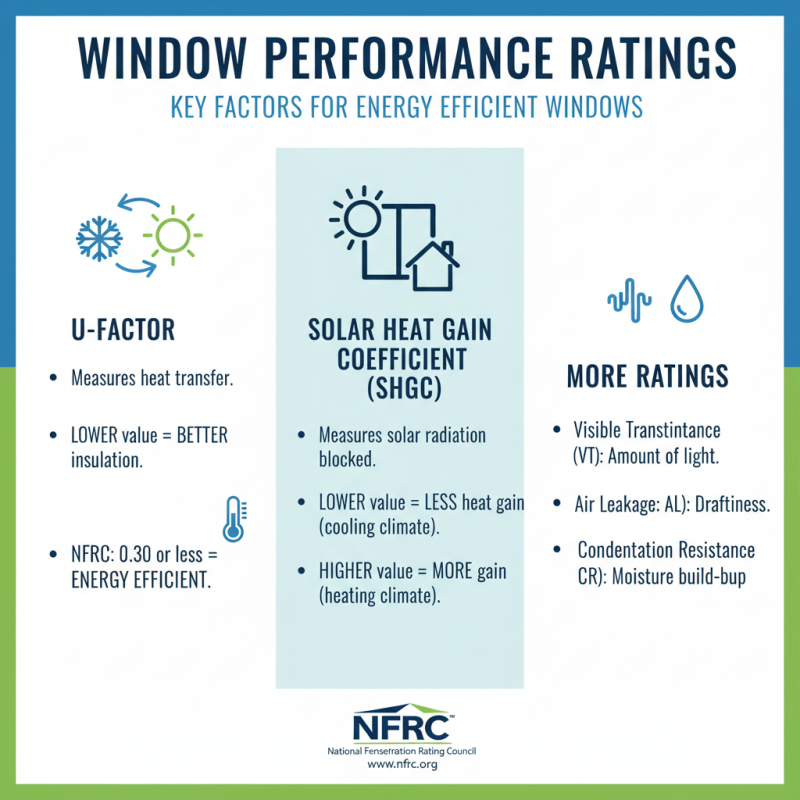
When choosing windows for high performance, understanding key ratings is essential. The U-factor measures the heat transfer efficiency of a window. A lower U-factor means better insulation. According to the National Fenestration Rating Council (NFRC), windows with a U-factor of 0.30 or lower are typically energy efficient.
Solar Heat Gain Coefficient (SHGC) determines how much solar radiation passes through the window. An SHGC value of 0.25 to 0.40 is ideal for most homes. You want to balance light and heat gain. Higher values mean more heat, which may lead to increased cooling costs in warm climates.
Tip: Consider your local climate before choosing window ratings. In cooler areas, a window with a low U-factor and higher SHGC can be beneficial. In contrast, warmer regions may benefit from lower SHGC values.
Not all windows perform equally, and your choice is critical. Analyze the performance data closely. Research shows that more homeowners regret their selections due to insufficient information. It’s crucial to evaluate performance labels and energy ratings to ensure you make the best decision.