Top 5 Tips for Choosing Metal Clad Windows for Your Home?
Choosing the right windows can significantly affect your home's energy efficiency and aesthetics. Metal clad windows are a popular choice among homeowners due to their durability and low maintenance. According to a report by the Window and Door Manufacturers Association, nearly 40% of new homes feature metal clad windows, highlighting their increasing preference in the market.
When selecting metal clad windows, several factors come into play. The combination of wood and metal offers strength while minimizing the risk of weather damage. However, buyers often overlook the importance of insulation properties. Research shows that well-insulated metal clad windows can reduce energy bills by up to 20%. This substantial statistic underscores their long-term benefits.
Homeowners need to be aware of their specific needs. Not all metal clad options provide equal performance. Some products may not withstand harsh climates effectively. Therefore, researching the brand reputation and warranty policies is crucial. This careful consideration can ensure that you make a sound investment while enhancing your home’s value.
Understanding the Benefits of Metal Clad Windows for Energy Efficiency
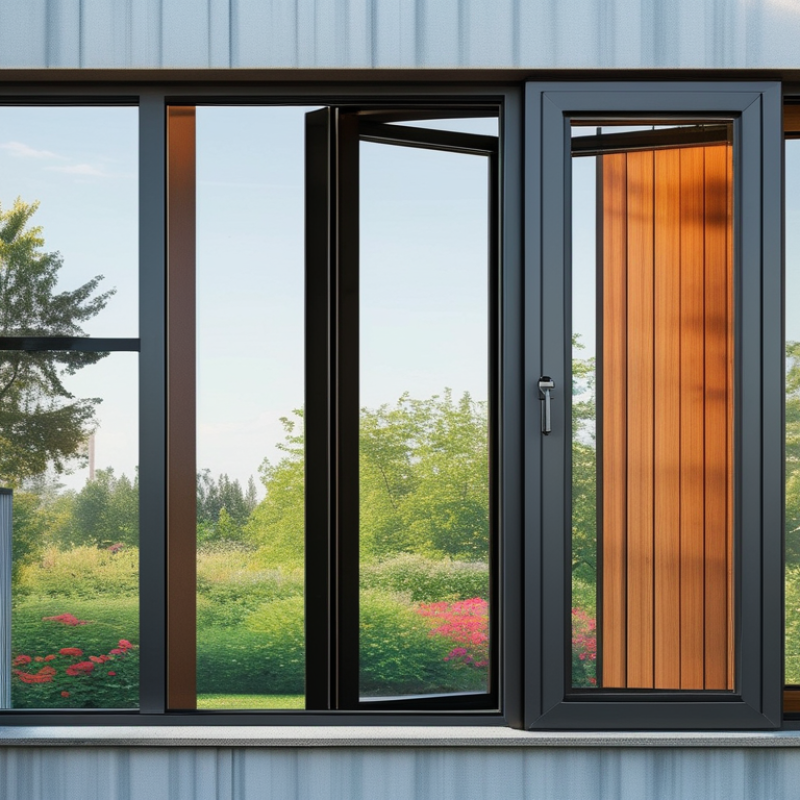
Metal clad windows are renowned for their energy efficiency. The combination of materials offers excellent insulation. This feature minimizes heat loss during winter and reduces heat gain in summer. Homeowners can enjoy a more stable indoor temperature. This leads to lower energy bills over time.
The durability of metal cladding is another significant advantage. Unlike traditional wood frames, metal can
withstand harsh weather conditions. It prevents warping, rotting, or cracking. However, it’s essential to consider maintenance requirements. Good care can prolong the lifespan of these windows. Neglect might lead to corrosion or peeling, negating their energy-saving potential.
Lastly, aesthetics play a crucial role. Metal clad windows come in various styles and colors. This versatility allows homeowners to match their exterior designs. Yet, personal preferences often lead to over-complicated choices. Sometimes, a simpler design may work better and provide the needed functionality. Balancing beauty with practicality is vital in the selection process.
Key Materials in Metal Clad Window Construction and Their Performance Ratings
Choosing metal clad windows involves understanding key materials and their performance ratings. Aluminum is a popular choice. It offers excellent strength and weather resistance. According to a 2022 report by the American Architectural Manufacturers Association, aluminum frames can last over 30 years when maintained properly. This durability is a significant benefit for homeowners seeking long-term solutions.
Wood is often used for the interior. It provides aesthetic appeal and insulation. However, untreated wood can be susceptible to moisture, which may lead to decay. A study from the National Fenestration Rating Council highlights that insulated wood frames can reduce energy loss by up to 20%. This makes them a viable option for energy-efficient homes.
Vinyl cladding is another contender. It is resistant to fading and corrosion. Many homeowners appreciate its low maintenance. The Vinyl Institute states that vinyl windows can achieve energy efficiency ratings of 0.30 U-factor or better. However, it is essential to consider the climate. Extreme weather can affect the longevity of this material. Proper research is critical when selecting the right material for your metal clad windows.
Evaluating Aesthetic Options: Styles and Finishes for Your Home's Design
Choosing metal clad windows can be a significant decision for your home’s design. Aesthetic options are abundant, allowing homeowners to express their style. According to a 2022 survey by the American Institute of Architects, traditional styles are increasingly popular. Craftsman detailing is sought after in contemporary homes.
When evaluating styles, consider the architectural features of your house. For instance, modern designs often benefit from sleek, minimalist profiles. Conversely, historic homes may call for more ornate finishes. A good rule is to select finishes that complement existing elements. The right color can enhance curb appeal significantly. Reports indicate that homes with cohesive design elements can see a 15% increase in perceived value.
Another aspect to ponder is the maintenance of different finishes. Some may require more upkeep than others. Embracing natural patinas or textured finishes can create a unique look. However, these may not appeal to everyone. It's essential to weigh aesthetics against practicality. Practically, think about the local climate. Some finishes fare better in harsh conditions than others, which could affect longevity.
Top 5 Tips for Choosing Metal Clad Windows for Your Home
| Aspect |
Description |
Style Options |
Finish Choices |
| Design |
Consider architectural style and personal preference. |
Modern, Traditional, Rustic |
Matte, Glossy, Textured |
| Energy Efficiency |
Look for energy-rated options to reduce heating and cooling costs. |
Double Glazed, Triple Glazed |
Reflective Coating, Low-E Coating |
| Durability |
Select materials that withstand weather elements and wear. |
Aluminum, Composite |
Powder Coated, Anodized |
| Maintenance |
Choose low-maintenance options that require less upkeep. |
Vinyl Clad, Fiberglass |
Self-Cleaning Glass, Non-Paint Finishes |
| Budget |
Establish a budget and select options that offer good value. |
Mid-range, High-end |
Standard Finishes, Custom Finishes |
Cost Analysis: ROI of Metal Clad Windows vs. Traditional Window Types
When considering the investment in metal clad windows, it's essential to analyze their return on investment (ROI) compared to traditional options. A recent industry report indicates that homeowners can recoup about 60% of their window replacement costs upon resale, with metal clad windows often driving higher property values due to their durability and aesthetic appeal.
Metal clad windows are designed for long-lasting performance and insulation. According to the Department of Energy, energy-efficient windows can reduce energy bills by up to 25%. This makes them a wise choice for homeowners looking to save in the long run. However, the initial cost is higher than vinyl or wood windows, which can lead to hesitation.
Tip: Always factor in energy savings when selecting windows. Look for those with a good Energy Star rating. You’ll appreciate the monthly savings while benefiting from improved comfort in your home.
Research also shows that metal clad windows can withstand harsh weather better than traditional types. This resilience means fewer repairs and a longer lifespan—approximately 30 years or more. Nonetheless, the choice of metal and finish can impact maintenance. Regular inspection and care are necessary for optimal performance.
Tip: Consider the environment when choosing materials. Sustainable options may lead to further savings and a lower carbon footprint. Your choice matters!
Maintenance Tips for Longevity: Keeping Your Metal Clad Windows in Top Shape
Maintaining metal clad windows is essential for their long-term performance. These windows feature a wooden core protected by a thin layer of metal, typically aluminum or fiberglass. Regular upkeep can prevent potential issues. A study shows that homes with well-maintained windows can increase energy efficiency by up to 15%.
One key maintenance action is to regularly inspect the metal surface for scratches or corrosion. Addressing these issues early can prevent significant damage. A simple wash with mild detergent can keep the exterior looking new. Furthermore, checking the seals for air leaks is vital. According to industry experts, leaks can lead to a 20% increase in heating and cooling costs.
Cleaning the wooden core is also important to prevent rot. This requires inspecting the interior frame and ensuring it remains dry. Periodic reapplication of weatherproofing products helps maintain the integrity of the wood. Attention to detail in these areas not only ensures longevity but also contributes to the aesthetic appeal of your home. Neglect might lead to higher repair bills and decreased efficiency.