How to Choose the Right Wood Frame Windows for Your Home?
Choosing the right wood frame windows for your home can significantly impact its aesthetics and efficiency. Emily Carter, a well-known expert in the window design industry, emphasizes, "Quality wood frame windows can transform a house into a home." Her insight highlights the importance of selecting the best options.
Wood frame windows combine beauty and functionality. The natural material adds warmth and charm. However, not all wood windows are created equal. Homeowners should consider factors like insulation, durability, and style. Each detail can affect energy efficiency and visual appeal.
Finding the perfect wood frame windows is not always straightforward. You might feel overwhelmed by choices. It’s essential to weigh the advantages and disadvantages of each option. You may not always find what seems perfect at first glance. Reflecting on design needs and practical applications will lead you to your ideal windows.
Understanding the Benefits of Wood Frame Windows for Homes
Wood frame windows are increasingly popular among homeowners due to their numerous benefits. One significant advantage is their superior insulation properties. According to the U.S. Department of Energy, wood windows generally outperform vinyl and aluminum options in energy efficiency. A properly installed wood frame window can reduce heat loss by up to 40%, leading to lower energy bills over time.
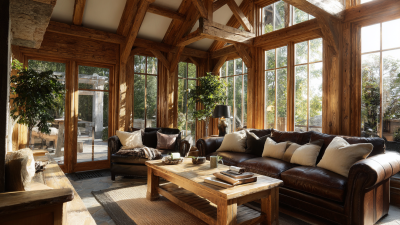
Beyond energy efficiency, wood frames offer aesthetic charm that enhances a home's appearance. They provide a warm, inviting look that is hard to match with other materials. Additionally, wood is customizable; it can be painted or stained to match any design preference easily. A survey by the National Association of Home Builders showed that 75% of homeowners prefer the natural look of wood.
However, maintenance is a critical consideration. Wood frames can be susceptible to rot and insect damage if not properly cared for. Regular inspections and timely treatments are essential. Choosing high-quality, sustainably sourced wood can minimize these risks. Balancing maintenance with aesthetic appeal and energy efficiency is essential for a satisfactory choice concerning wood frame windows.
Evaluating Different Wood Types for Frame Durability and Aesthetics
Choosing the right wood type for your window frames is crucial. Different woods offer various benefits and aesthetics. Hardwoods like oak are known for their durability. They resist warping and damage over time. Softwoods, such as pine, are lighter and more affordable, but may not last as long.
It is essential to evaluate the climate in your area. For instance, moist climates might require wood with higher resistance to decay. Cedar is a popular choice for such environments, as it naturally resists moisture. On the other hand, in drier regions, you might find that other woods perform equally well without warping. Consider the structure of your home, too. Dark woods like mahogany add a rich, classic appeal, while lighter shades may create a more modern look.
Reflecting on your needs can also uncover flaws in your choice. Aesthetic preference might clash with practical considerations. A beautiful finish may not withstand the test of time if not properly maintained. Regular painting or sealing is necessary, but it can become a burden. Assessing both durability and visual appeal ensures a more informed decision. Ultimately, the right wood window frame engages both your practical needs and aesthetic dreams.
How to Choose the Right Wood Frame Windows for Your Home?
| Wood Type |
Durability (Years) |
Aesthetic Appeal |
Cost (per window) |
| Pine |
20-30 |
Warm, Natural Look |
$300 |
| Cedar |
30-40 |
Rich Color, Aromatic |
$450 |
| Oak |
50-60 |
Classic, Timeless Look |
$600 |
| Maple |
30-50 |
Smooth Finish, Light Color |
$550 |
| Mahogany |
50-70 |
Luxurious, Deep Color |
$900 |
Assessing Energy Efficiency Ratings When Choosing Wood Frame Windows
When selecting wood frame windows, energy efficiency is a critical factor. Windows can significantly impact your home’s energy consumption. Understanding ratings can help you make a knowledgeable choice. Look for windows with a low U-factor. A lower U-factor means better insulation. This can lead to reduced heating and cooling costs.
Tips for evaluating energy efficiency: Check for the ENERGY STAR label. It shows that windows meet stringent efficiency standards. Look for double or triple-pane glass. These designs improve insulation and reduce heat transfer. Also, consider the solar heat gain coefficient. A lower value indicates that less heat enters your home during summer.
Do not overlook frame materials either. While wood offers beauty, it must be well-sealed. Poor seals can lead to drafts, diminishing efficiency. Reflect on your local climate as well. Windows suited for warmer regions may not perform well in colder areas. Ensure you choose wisely to enhance your comfort and save on energy bills.
Considering Style and Design Options for Wood Frame Windows
When choosing wood frame windows, style and design are crucial. The right windows can significantly enhance your home's aesthetics. Consider the architectural style of your home. Modern homes may benefit from sleek, minimalist designs. In contrast, traditional homes often look best with classic, detailed frames.
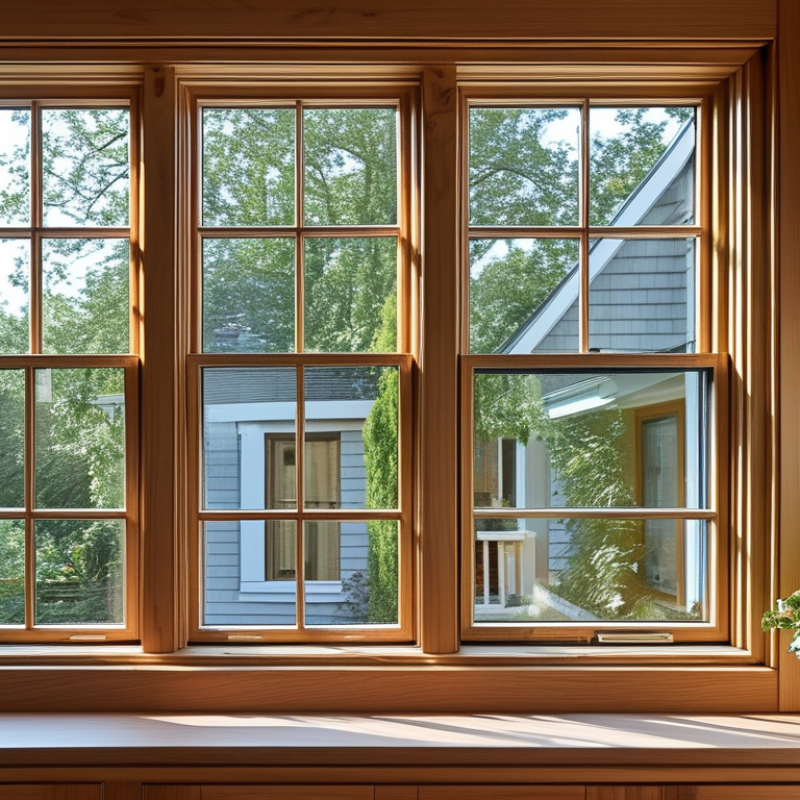
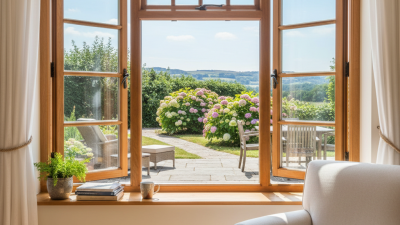
Wood frame windows come in various designs. Options include double-hung, casement, and sliding windows. Each style has unique advantages and visual appeal. For instance, casement windows allow for maximum ventilation. However, they require more space to open. Evaluate how each style complements your home's existing features.
Color is another vital aspect. Stained wood can highlight natural textures, while painted finishes offer a sleek look. Consider how these choices will age. Maintenance is essential. With time, wood can warp or fade. Ensure the finish will last, even in harsh weather. Balancing aesthetics and practical concerns is key. The perfect window design brings beauty without compromising functionality.
Budgeting for Installation and Maintenance of Wood Frame Windows
When budgeting for wood frame windows, consider both installation costs and long-term maintenance. Installation often requires professional help. Labor costs can vary significantly based on location and window complexity. It's wise to receive multiple quotes before deciding. This ensures you find competitive pricing while securing skilled technicians who know how to properly install these windows.
Maintenance is another crucial aspect. Wood windows need regular care to prevent rot and damage. Painting or staining every few years is essential. Thoughtful budgeting should include funds for these upkeep tasks. Unexpected repairs can arise, and having a buffer helps manage these costs. Homeowners should actively set aside a portion of their budgets for maintenance needs. This proactive approach can prevent larger expenses down the road.