Choosing the right windows for your home is essential. Wood windows add charm and warmth to any space. They come in various styles and finishes, making them versatile.
However, not all wood windows are created equal. Understanding the different types, materials, and insulation properties can be overwhelming. The right choice reflects your taste and enhances energy efficiency. Research is crucial to avoid costly mistakes.
Consider factors like climate, maintenance needs, and budget. Wood windows require proper care to ensure longevity. They may expand or contract with temperature changes, impacting performance. A trusted expert can guide you through this process, helping you make an informed decision. Your home deserves the best, especially when it comes to wood windows.
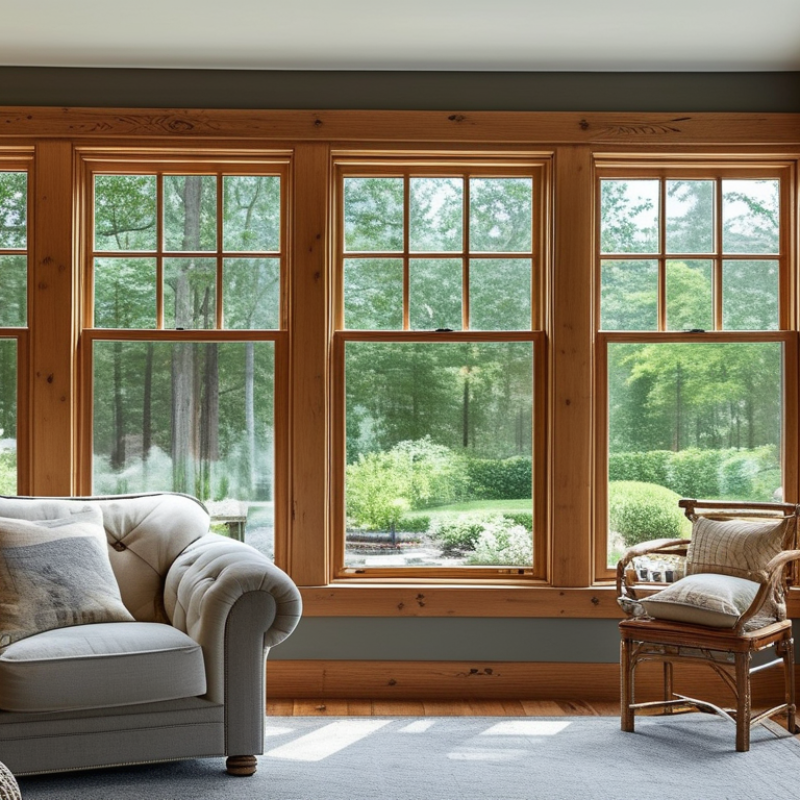
Choosing wood windows for your home can be exciting yet challenging. One key factor to consider is wood type. Different species offer various aesthetics and durability. Pine offers a classic look but may require more maintenance. Oak provides strength, while cedar offers natural resistance to moisture. Each type has its pros and cons.
Energy efficiency is another critical aspect. Look for windows with good insulation properties. Double or triple glazing can significantly reduce energy loss. You may wish to check for energy ratings. These ratings can guide you towards more efficient choices. A well-insulated window can save you money on heating and cooling costs over time.
Installation quality impacts performance as well. A poorly installed window can lead to drafts and leaks. Seek professionals with a solid track record in window installation. Research their experience and read reviews. The investment in quality installation pays off in the long run, ensuring your wood windows function effectively. Remember, the perfect choice for one homeowner may not fit another's needs. Consider your specific situation carefully.
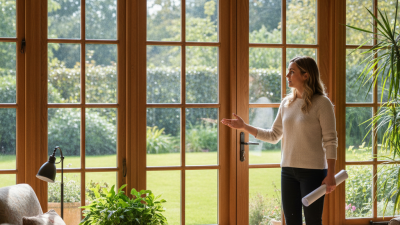
Choosing the right wood materials for your windows is crucial. Several types stand out for their durability and aesthetic appeal. Common choices include pine, oak, cedar, and mahogany. Each has unique characteristics that might influence your decision.
Pine is widely available and budget-friendly. It is lightweight and easy to work with. However, it may not hold up as well against moisture unless treated.
Oak is strong and more resistant to wear. Its beautiful grain makes it a popular choice for traditional homes. However, it can be heavy and more expensive.
Cedar offers natural resistance to decay and insects. Its aromatic qualities are an added bonus. On the downside, it can be softer, making it more susceptible to dents and scratches.
Mahogany is known for its rich color and durability, making it ideal for high-end projects. Yet, sourcing it can be problematic due to sustainability concerns.
Pick materials that align with your home’s style and your maintenance preferences. Make sure you understand each material's pros and cons. This knowledge can help you avoid future regrets about your windows. Always consider your local climate when selecting wood types.
Choosing the right style of wood windows can significantly impact your home's overall aesthetics. From classic double-hung to modern casement styles, each option brings a unique character. Consider how the shape and size of the windows will work with your home's architectural features. For instance, large picture windows can create a seamless connection between the indoors and outdoors. They let in more light and provide stunning views.
Think about the color and finish of the wood. Natural wood grains can enhance warmth and coziness in traditional homes. However, painted finishes may suit modern designs better. Different styles can evoke various feelings. A sleek, minimalist window may reflect a contemporary vibe, while ornate designs may appeal to historical tastes. It's essential to balance functionality with design. Do the chosen windows let in enough ventilation? Do they match the exterior siding?
In the end, the details matter. You may find it challenging to choose. It's not just about looks; it’s about how each style complements your lifestyle. Take time to visualize how these windows can change your space. Being intentional with your choices will pay off in the long run.
| Window Style | Description | Aesthetic Impact | Energy Efficiency | Price Range |
|---|---|---|---|---|
| Double-Hung | Classic design with two operable sashes. | Timeless and versatile, fits various architectural styles. | Good insulation with proper seals. | $300 - $800 |
| Casement | Windows that are hinged on the side and open outward. | Offers a modern look; enhances views and ventilation. | Excellent air tightness; very energy efficient. | $350 - $900 |
| Sliding | Sashes that slide open horizontally. | Sleek and contemporary, great for large openings. | Moderate efficiency; depends on seals. | $400 - $950 |
| Awning | Hinged at the top; opens outward from the bottom. | Unique design; ideal for rain protection while open. | Very efficient; tight closure against elements. | $250 - $800 |
| Picture | Fixed windows that do not open. | Maximizes views and natural light; adds elegance. | Good, as they seal completely. | $300 - $700 |
When evaluating wood windows, energy efficiency ratings are crucial. These ratings inform how well a window can insulate your home. The more efficient the window, the less energy you'll need for heating and cooling. Look for windows with a low U-factor; it indicates excellent insulation properties. A lower Solar Heat Gain Coefficient (SHGC) is also beneficial, especially in warm climates. This rating shows how much solar heat enters through the window.
Consider the frame material as well. Wood frames can often provide superior insulation compared to vinyl or metal. However, they require regular maintenance to prevent rot and warping. Reflect on how much time you're willing to invest in upkeep versus energy savings.
Tips: Assess the energy labels during your window shopping. Seek models that meet or exceed local energy codes. Balance aesthetics and functionality; a beautiful window won’t help if it wastes energy. Finally, consult with energy performance specialists to gain insights tailored to your unique home needs.
Wood windows can enhance the beauty of any home, but they require care to maintain their charm and functionality. Regular inspections are vital. Look for signs of wear like cracks or peeling paint. Small issues can escalate quickly if ignored. Keeping an eye on these details will help maintain the integrity of your windows.
Cleaning is another essential aspect of wood window maintenance. Use a soft cloth and mild soap to wipe down the surfaces. Avoid harsh chemicals, as they can damage the finish. Don’t forget to check the seals and weather stripping too. Proper sealing prevents water damage, which is a common enemy of wood windows.
Lastly, consider periodic refinishing. Over time, the finish can wear away, exposing the wood to the elements. A fresh coat of paint or varnish can protect your windows for years. Don't hesitate to consult with a professional for this part. It’s important to recognize that even well-maintained windows might need repairs. Addressing issues sooner can save you time and money in the long run. Pay attention to your windows, and they will reward you with beauty and durability.