2026 How to Choose Timber Windows for Your Home?
When considering improvements to your home, choosing Timber Windows can significantly enhance both aesthetic and functional appeal. According to the National Timber Window Federation, timber windows boast a lifespan exceeding 60 years with proper maintenance. This durability, combined with impressive thermal performance, makes them a popular choice among homeowners.
Expert Dave Green, a consultant for the Timber Window Association, emphasizes, "Timber Windows not only add charm but also improve energy efficiency." His insights resonate in an industry where aesthetic and sustainability converge. Additionally, studies reveal that homes with timber windows have a 12% higher resale value compared to standard alternatives.
However, selecting the right Timber Windows requires careful consideration. Homeowners must reflect on various aspects, such as wood type, style, and even local climate conditions. Mistakes in choice could lead to higher maintenance costs. Ensuring that these windows fit your home’s character is essential. Engaging with experts can help mitigate these challenges and secure a lasting investment in your property.
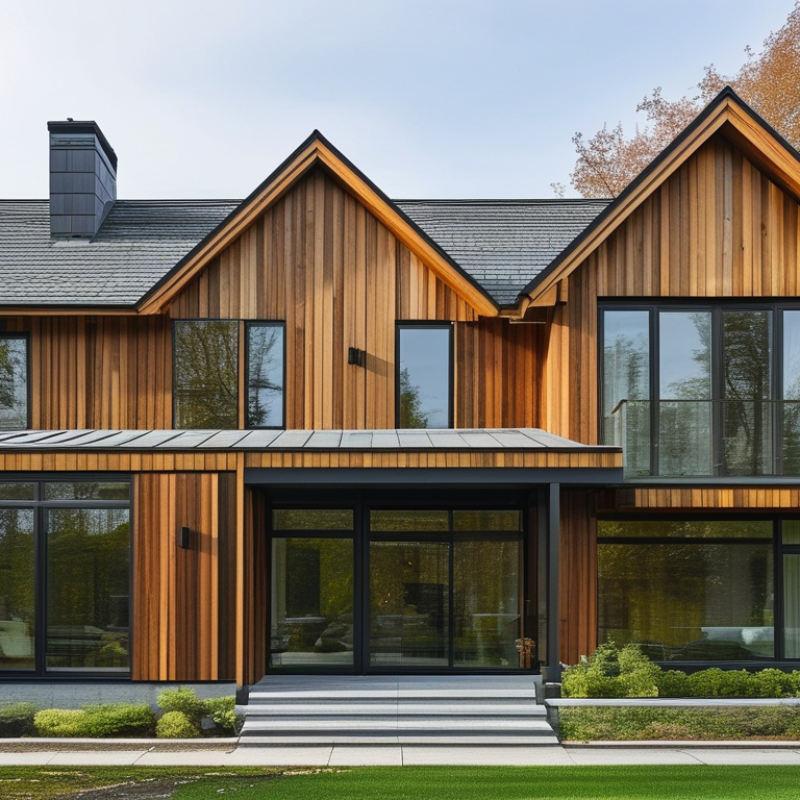
Understanding the Benefits of Timber Windows for Your Home
Choosing timber windows for your home brings numerous benefits. Timber adds natural beauty and warmth, creating a cozy atmosphere. The variety of wood types allows for unique finishes. This can enhance your home's overall aesthetic appeal. Timber windows are also well-known for their excellent insulation properties. They help maintain a stable indoor temperature, reducing energy costs.
Timber windows require regular maintenance, which some homeowners may find challenging. However, the effort can lead to long-lasting durability. When properly cared for, timber windows resist warping and decay. This longevity can outweigh the initial investment. While some may worry about environmental impacts, sustainable sourcing options are available. Responsible choices can minimize negative effects.
Timber is a renewable resource, unlike synthetic materials. The production of timber windows typically has a lower carbon footprint. Choosing local suppliers can further support eco-friendly practices. Each timber window tells a story, offering a blend of character and functionality. Reflect on your home’s style and needs. This thought process can lead you to the perfect timber option.
Evaluating Different Types of Timber for Window Construction
When selecting timber for windows, understanding the different types can be overwhelming. Hardwoods, such as oak and mahogany, provide durability and a rich aesthetic. Their dense grain makes them resistant to warping. Softwoods, like pine or cedar, can be more affordable but may require more maintenance. They are lighter and easier to work with, making them popular for many homeowners.
Another factor to consider is sustainability. Look for timber that comes from certified forests. This ensures responsible harvesting practices. Choosing sustainably sourced timber can elevate your home's environmental value. However, not all labels are trustworthy. It's wise to research and verify certifications to avoid greenwashing.
Moisture resistance is another crucial aspect. Some timbers naturally repel water, while others must be treated. In humid climates, you may need additional protective coatings. Also, consider the timber's thermal performance. A well-insulated window frame can significantly affect your energy bills. Always weigh the pros and cons. Selecting the right timber involves balancing beauty, utility, and ethical considerations.
Comparison of Different Types of Timber for Window Construction
This bar chart compares the durability of different types of timber commonly used for window construction. Oak is the most durable option, followed by mahogany and cedar, while pine and birch provide less longevity.
Key Features to Look for in Quality Timber Windows
When choosing timber windows for your home, focus on the key features that ensure quality. First, consider the wood species. Different types of timber offer varying durability and aesthetic appeal. Hardwoods like oak or mahogany are often more resistant to wear and tear compared to softer woods. This choice impacts both longevity and the overall charm of your windows.
Next, examine the construction method. Well-made timber windows should showcase excellent joinery. Look for features like mortise and tenon joints, which enhance strength. Additionally, ensure that the windows have proper sealing and weatherproofing. This detail will help protect against the elements and improve energy efficiency.
Lastly, don’t overlook the finishing. Quality timber windows often come with a protective coating that combats moisture and UV damage. However, even the best finishes can wear down over time. Regular maintenance is vital for preserving their appearance and function. Always be prepared for periodic inspections and potential refinishing. This can save you from costly repairs down the line.
2026 How to Choose Timber Windows for Your Home? - Key Features to Look for in Quality Timber Windows
| Feature |
Description |
Importance |
| Material Quality |
Look for high-grade timber that is durable and treated for weather resistance. |
High-quality materials ensure longevity and resistance to decay. |
| Energy Efficiency |
Consider windows with good thermal insulation properties. |
Improves home comfort and reduces energy bills. |
| Design Flexibility |
Customizable styles and finishes to match home aesthetics. |
Enhances the overall appearance of your home. |
| Security Features |
Look for multi-point locking systems and laminated glass. |
Increases safety and protects against break-ins. |
| Maintenance Requirements |
Choose finishes that are easy to clean and maintain. |
Less maintenance means more convenience for homeowners. |
| Cost |
Evaluate the cost in relation to quality and lifespan of the product. |
Balanced investment for future savings on repairs and energy. |
Assessing Energy Efficiency and Insulation Properties
When selecting timber windows for your home, energy efficiency is a key factor. You want windows that reduce heat loss in winter and keep your home cool in summer. Look for options with double or triple glazing. These types of glazing help trap air or gas between layers. This creates insulation that greatly improves energy efficiency.
Consider the frame itself. High-quality timber frames often use materials that complement insulation properties. Look for solid wood or engineered timber. These choices can offer better thermal resistance over alternatives. While aesthetics are important, prioritize functional aspects. Drafty or poorly insulated windows can lead to increased energy bills.
It's essential to evaluate the overall installation process too. Even the best windows will underperform if not installed correctly. Seek expert advice on fitting. Poor installation can lead to gaps that undermine energy efficiency. Your initial choice may seem perfect, but small flaws can create long-term issues. Be aware of these factors as you invest in your home’s comfort and efficiency.
Choosing the Right Style and Finish for Your Home's Aesthetic
Choosing timber windows for your home is an important decision. The right style and finish can enhance your home's aesthetic. Consider your home's architecture first. A modern house may pair well with sleek, minimalist windows. Conversely, traditional homes benefit from classic designs with detailed moldings.
When selecting finishes, think about durability and maintenance. Painted finishes offer vibrant colors but may require more upkeep. Natural wood finishes provide warmth and character but need protection from the elements. Visualize how the finish will resonate with your interior. Dark finishes can create coziness, while lighter hues promote brightness.
Reflect on your personal style too. Do you lean towards contemporary or rustic? Make sure your choices resonate with your home's identity. Balancing personal preference with architectural harmony is crucial. Each decision will influence the overall vibe of your space. Prioritize your needs, even if it's challenging. Good design demands thoughtful reflection.