Essential Tips for Choosing Wood Windows Best Practices?
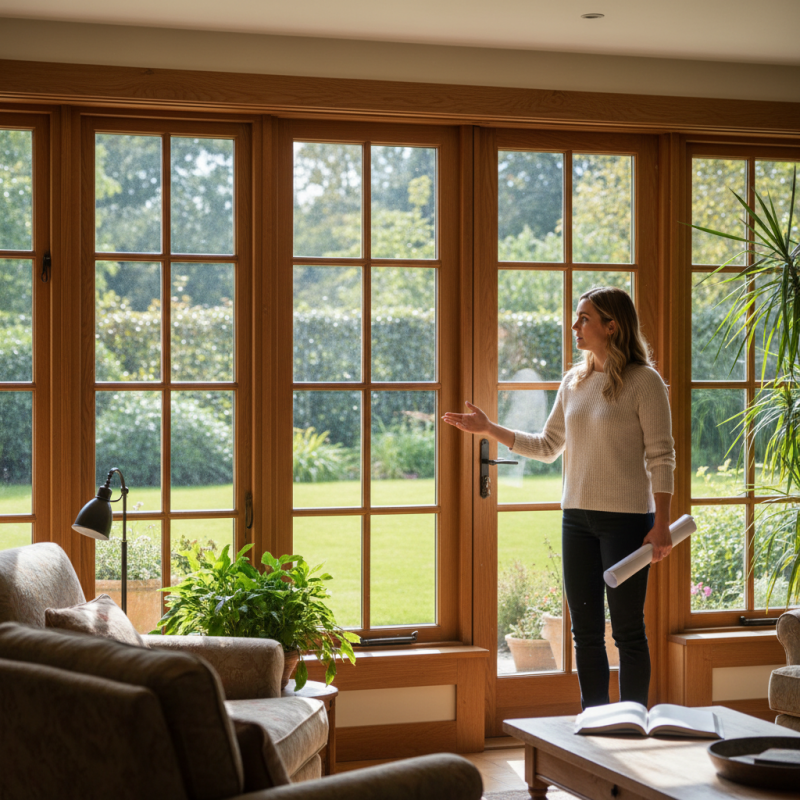
When selecting Wood Windows, many factors come into play. Choosing the right type can enhance the aesthetic and energy efficiency of your home. Expert architect Sarah Thompson states, "The right wood windows can transform your space and create lasting value."
Quality Wood Windows not only improve insulation but also offer a classic look. However, buyers often overlook the importance of selecting sustainable wood. Every choice in this process matters. Opting for local, sustainable sources reduces environmental impact and supports the community.
Consumers frequently face decision fatigue when confronted with various options. It’s easy to get distracted by appearances. Yet, functionality should guide decisions as well. Balancing beauty with practicality is vital. Reflect on the long-term benefits of your investments in Wood Windows.
Understanding the Benefits of Wood Windows in Home Design
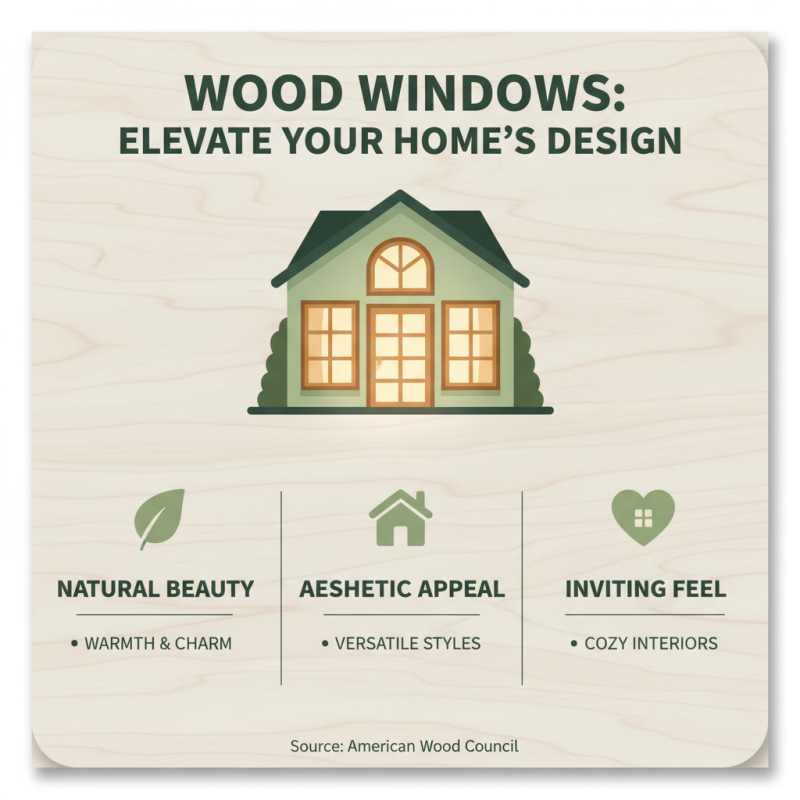
Wood windows offer unique benefits in home design. They bring warmth and charm to interiors. According to the American Wood Council, wooden windows can enhance a home’s aesthetic appeal. Their natural look fits various architectural styles. Homeowners often find them more inviting than other materials.
In terms of energy efficiency, wood windows perform well. The U.S. Department of Energy notes that wood has excellent insulating properties. This can lead to lower energy bills. However, maintenance is key. Wooden frames require careful upkeep to prevent rot or damage. Failing to address this can lead to costly repairs later.
Durability is another consideration. While wood windows can last, their lifespan depends on factors like climate and treatment. Regular inspections should be part of home care. Some homeowners may hesitate due to concerns about longevity. Investing in high-quality wood and finishing can mitigate these worries. Seeking professional advice is often beneficial.
Evaluating Different Types of Wood for Window Construction
When evaluating different types of wood for window construction, several factors come into play. Softwoods like pine are popular due to their affordability and ease of use. However, they may not offer the same durability as hardwoods. Hardwoods like oak and mahogany provide increased strength and resilience against wear and weathering. Their natural beauty adds elegance to any home, but they come with a higher price tag.
Consider the local climate when selecting wood type. In humid areas, rot-resistant woods like cedar can be ideal. They handle moisture well but may not match the strength of other options. Additionally, the sustainability of wood is crucial. It’s essential to seek ethically sourced materials. Some woods, while attractive, may contribute to deforestation. This fact often gets overlooked, leading to regret later.
Authenticity also matters in wood windows. The grain pattern and color can dramatically affect aesthetics. You might find imperfections appealing, adding character to the window frames. However, these irregularities can also raise questions about quality. It's vital to balance beauty with functional aspects, ensuring your choice leads to satisfaction in the long run.
Key Features to Look for in Quality Wood Windows
When choosing quality wood windows, several key features stand out. A crucial aspect is the type of wood used. Some woods, like pine, are more affordable but less durable. Oak and cherry are richer in appearance and resilience but come at a higher cost. The National Wood Window Association suggests using high-grade woods to ensure longevity. This can safeguard against warping and cracking over time.
Another significant feature is insulation capability. High-quality wood windows often include energy-efficient glazing options. These can reduce heat loss by up to 30%. Insulated windows not only improve comfort but also lower energy bills. A study by the U.S. Department of Energy indicates that homes with energy-efficient windows consume less energy overall.
Additionally, check for proper treatment of the wood. It should be resistant to moisture and pests. Poor treatment can lead to rotting, which diminishes the window’s lifespan. Often, homeowners overlook this detail. Finally, consider the aesthetics. Windows should complement your home's style. This adds to your property's value and curb appeal, which is always worth reflecting on before a decision is made.
Comparing Costs: Wood Windows vs. Other Materials
When considering wood windows, cost comparisons with other materials are crucial. Wood windows can range significantly in price, often starting at about $300 per window. Vinyl windows, on the other hand, typically cost between $200 and $500. According to industry analysis, while the initial investment for wood is higher, many owners find long-term value in energy efficiency and aesthetics.
The National Association of Home Builders states that wood windows have a lifespan of 30 years or more with proper maintenance. Vinyl windows last around 20 years, which raises a question about value. Certainly, factors like climate and home design influence these costs. However, homeowners may overlook hidden costs related to energy loss in cheaper alternatives. This could lead to increased energy bills over time.
Investing in wood can mean lower maintenance in the long run. The beauty and insulation properties of wood contribute not just to a home’s curb appeal but also to its value. Still, some might find the up-front costs daunting. It’s essential to weigh initial investment against durability. Therefore, careful consideration of both choices and personal priorities is needed.
Essential Tips for Choosing Wood Windows Best Practices - Comparing Costs: Wood Windows vs. Other Materials
| Material |
Average Cost per Square Foot |
Lifespan (Years) |
Maintenance Required |
Energy Efficiency Rating |
| Wood |
$8 - $12 |
30 - 50 |
High (regular staining or painting) |
Good to Excellent |
| Vinyl |
$5 - $10 |
20 - 40 |
Low (wash with soap and water) |
Good |
| Aluminum |
$7 - $10 |
25 - 40 |
Moderate (occasional painting) |
Fair to Good |
| Composite |
$6 - $11 |
20 - 40 |
Low (low maintenance) |
Good |