Why Choose High Performance Windows for Energy Efficiency?
High Performance Windows represent a significant advancement in energy efficiency. Many homeowners seek ways to reduce energy costs and improve comfort. These windows play a crucial role in achieving both goals.
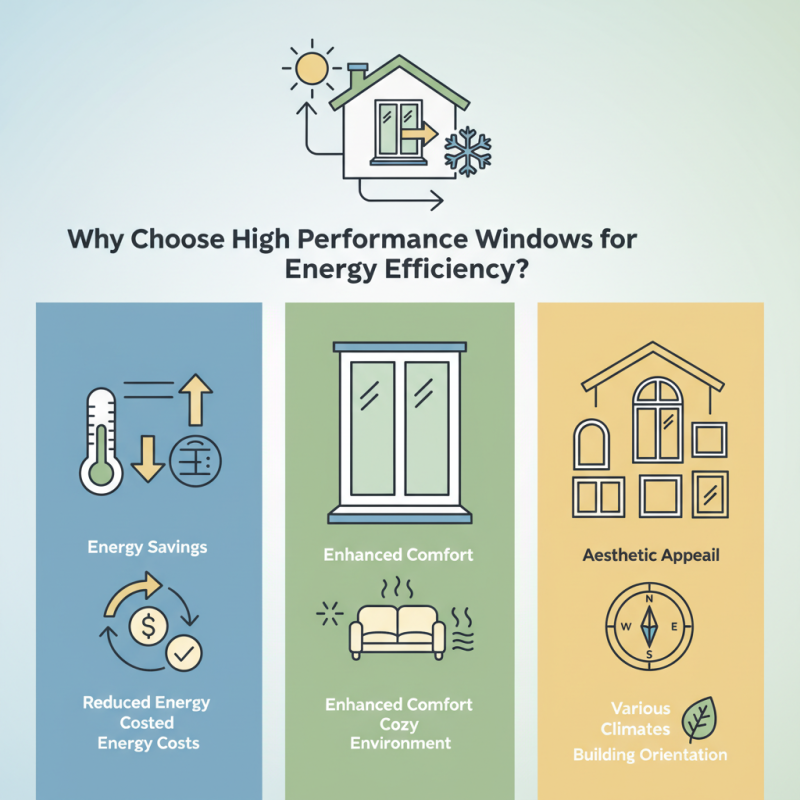
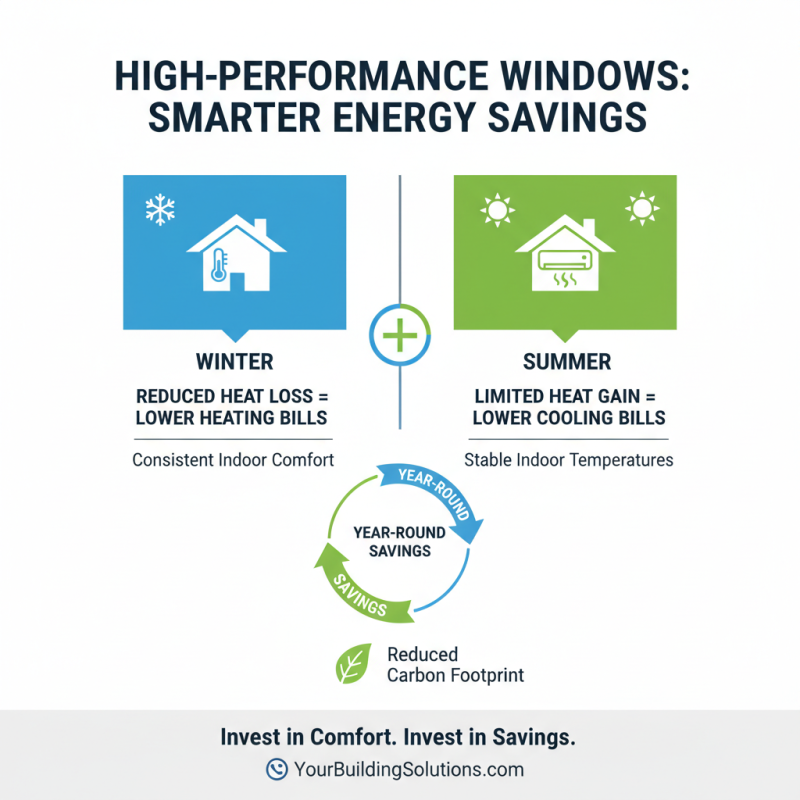
Renowned industry expert John Anderson states, "High Performance Windows not only save energy but also enhance overall comfort." His insight highlights an important benefit. These windows are designed to minimize heat loss in winter and reduce heat gain in summer. Homeowners can enjoy a cozy environment all year round.
Beyond energy savings, the aesthetic appeal of High Performance Windows cannot be overlooked. They come in various styles and designs, enhancing the home’s exterior. However, choosing the right type can be challenging. Homeowners should consider factors like climate and building orientation. Not every window is perfect for every home. This complexity means reflecting on individual needs and circumstances.
Understanding High Performance Windows and Their Importance
High performance windows are crucial for enhancing energy efficiency in homes. They feature advanced glazing technologies that reduce heat transfer. By using multiple panes of glass, these windows trap air between them, creating an insulating barrier. This simple change can significantly lower heating and cooling costs.
The importance of these windows extends beyond just energy savings. They improve indoor comfort by maintaining consistent temperatures. Additionally, they can reduce outside noise, creating a quieter living space.
However, choosing and installing these windows requires careful thought. Not every home benefits equally from high performance options. Factors like climate and building orientation play a role in their effectiveness.
While high performance windows might seem costly upfront, their long-term benefits often outweigh the initial investment. Homeowners should consider their local environment and lifestyle needs. Reflecting on your home’s designs and needs will lead to better choices. Investing in better windows is not just about today—it’s about your future.
Key Features of High Performance Windows Enhancing Energy Efficiency
High performance windows offer significant benefits for energy efficiency. They are designed to minimize heat loss in winter and keep interiors cool in summer. One key feature is Low-E glass. This special coating helps reflect heat. It allows natural light but reduces UV rays that can fade furnishings.
Another important aspect is multiple glazing. Instead of a single pane, these windows typically have two or three layers of glass. Each layer traps air between them, enhancing insulation. This design can cut heating and cooling costs significantly. In colder climates, this feature prevents the chill from seeping indoors.
Proper installation is critical. Poor sealing can lead to drafts, negating the benefits. Additionally, selecting the right frame material matters. Options like fiberglass or vinyl can enhance performance. Homeowners often overlook this detail, leading to inefficiencies. It's essential to assess all components for maximum energy efficiency.
Why Choose High Performance Windows for Energy Efficiency? - Key Features of High Performance Windows Enhancing Energy Efficiency
| Feature |
Description |
Benefits |
| Low U-Factor |
Indicates low thermal conductivity, reducing heat transfer. |
Improves insulation, lowers energy costs, and enhances comfort. |
| High Solar Heat Gain Coefficient (SHGC) |
Allows beneficial solar heat into the building during winter. |
Reduces heating costs while allowing natural light. |
| Low Visible Transmittance |
Limits amount of visible light entering the space. |
Enhances privacy and protects interior furnishings from UV damage. |
| Argon/Krypton Gas Fill |
Inert gas fills between panes to improve insulation. |
Increases energy efficiency and reduces condensation. |
| Low-E Coatings |
Microscopically thin layers that reflect infrared energy. |
Minimizes heat loss and gain, maintaining a stable indoor temperature. |
Comparing High Performance Windows with Standard Options
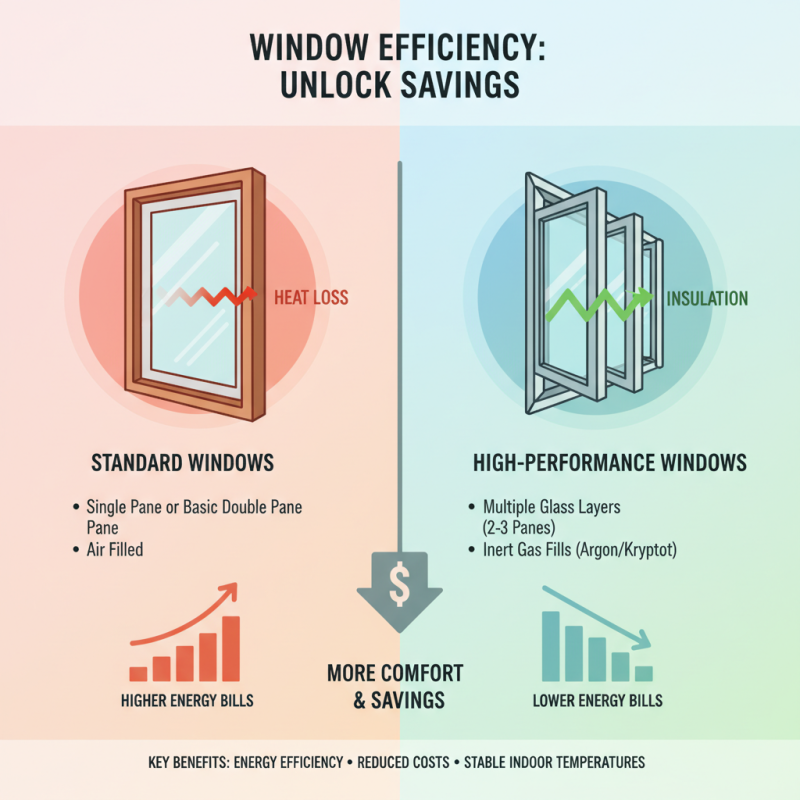
High performance windows stand out for their energy efficiency. They have advanced features that standard windows typically lack. For example, high performance windows often include multiple glass layers and gas fills that enhance insulation. This helps minimize heat loss during winter and keeps homes cooler in summer. The variations in window technology can lead to notable differences in energy costs.
Standard windows may be cheaper and readily available, but they often fall short on efficiency. These windows generally use single-pane glass or less effective thermal seals. As a result, more energy is wasted, leading to higher bills. Homeowners might save money initially but end up paying more over time due to increased energy usage. It's important to weigh these options carefully. Some might overlook the long-term benefits of investing in high performance windows, thinking only about the upfront costs.
Investing in high performance windows might seem daunting due to the higher initial price. However, consider the potential savings on energy bills. Reflect on your comfort and quality of living. When comparing the two options, think about the impact on your environment too. Choosing wisely today can make a big difference for tomorrow.
Energy Savings and Environmental Impact of High Performance Windows
High performance windows can greatly contribute to energy savings in homes and buildings. They are designed to reduce heat loss during winter and limit heat gain in summer. This means lower energy bills year-round. Imagine your living space staying comfortable without constant adjustment of your heating or cooling systems.
These windows work through advanced glazing techniques. Many feature multi-pane designs filled with inert gases. These gases act as insulators, slowing the transfer of heat. There's a noticeable difference when you touch these windows on a chilly day. The interior remains warm, proving their effectiveness. However, not everyone opts for these windows due to the initial costs, which can be daunting.
The environmental impact is significant as well. High performance windows help reduce greenhouse gas emissions. Better insulation means less reliance on fossil fuels for heating and cooling. This is a positive change. Yet, the production process of these windows can have its own environmental footprint. Sustainable sourcing of materials should be a priority. It's important to consider the entire lifecycle of building materials. Think about both the savings and the broader effects on our planet.
Cost Considerations and Long-Term Benefits of High Performance Windows
Investing in high-performance windows can lead to significant cost savings. These windows are designed to improve insulation, reducing energy loss. A well-insulated home can lower heating and cooling bills. For instance, they can decrease energy costs by up to 30%. Although the initial investment may be higher, the long-term savings are often worth it.
Many homeowners hesitate due to upfront costs. It's important to view this as a long-term investment. High-performance windows can increase the value of a home as well. They enhance curb appeal and attract potential buyers. Additionally, tax incentives or rebates might be available, providing further financial relief.
On the flip side, not all windows offer the same performance. Some may not fulfill their promise of energy efficiency. Homeowners should do their homework and choose wisely. Regular maintenance is also necessary to ensure the windows perform well over time. Reflecting on the overall benefits is crucial. Investing in the right windows can lead to lasting comfort and savings.
Energy Efficiency Benefits of High Performance Windows