Exploring the Latest Innovations in Windows Doors for Energy Efficiency and Aesthetic Appeal
As the demand for energy-efficient solutions continues to rise, the role of Windows Doors in enhancing both energy efficiency and aesthetic appeal has become increasingly significant. Recent industry reports indicate that windows and doors account for approximately 30% of residential heating and cooling energy loss, making their optimization crucial for sustainability efforts. Innovations in materials and design—such as triple-glazed glass and thermally broken frames—are revolutionizing the market, offering homeowners not only reduced energy costs but also improved comfort and visual appeal. Furthermore, a study by the American Society of Heating, Refrigerating and Air-Conditioning Engineers (ASHRAE) reveals that high-performance windows can save up to 20% on energy bills compared to standard options. As we delve into the latest innovations in Windows Doors, it becomes evident that the intersection of technology, design, and efficiency paves the way for a more sustainable future while enhancing the overall beauty of modern architecture.
Innovative Materials for Energy-Efficient Windows and Doors
In recent years, the emphasis on energy efficiency has propelled the innovation of materials used in windows and doors. Industry reports indicate that high-performance window technologies can significantly reduce energy consumption, with the U.S. Department of Energy noting that efficient windows can lower energy bills by up to 25%. New materials like triple-glazed glass and low-emissivity (Low-E) coatings are at the forefront of this movement, providing superior insulation and reflecting heat away during summer while retaining warmth in winter.
Moreover, advancements in framing materials, such as fiberglass and advanced vinyl, strengthen the thermal performance of windows and doors without compromising aesthetic appeal. The American Architectural Manufacturers Association reports that these materials can improve energy efficiency ratings dramatically, reaching U-factors as low as 0.15. This means not only do homeowners benefit from lower energy costs, but they also enjoy enhanced comfort and style, as these innovative materials can be designed to fit a variety of architectural styles, further blending energy efficiency with aesthetic considerations.
Innovations in Windows and Doors for Energy Efficiency
This chart illustrates the energy efficiency ratings of various innovative materials used in windows and doors. Higher ratings indicate better energy performance, contributing to enhanced home sustainability and reduced energy costs.
Cutting-Edge Designs Enhancing Aesthetic Appeal in Modern Architecture
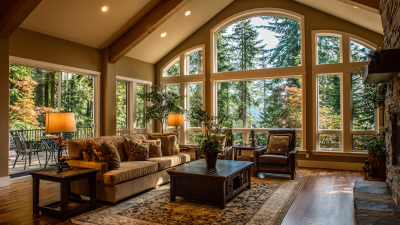
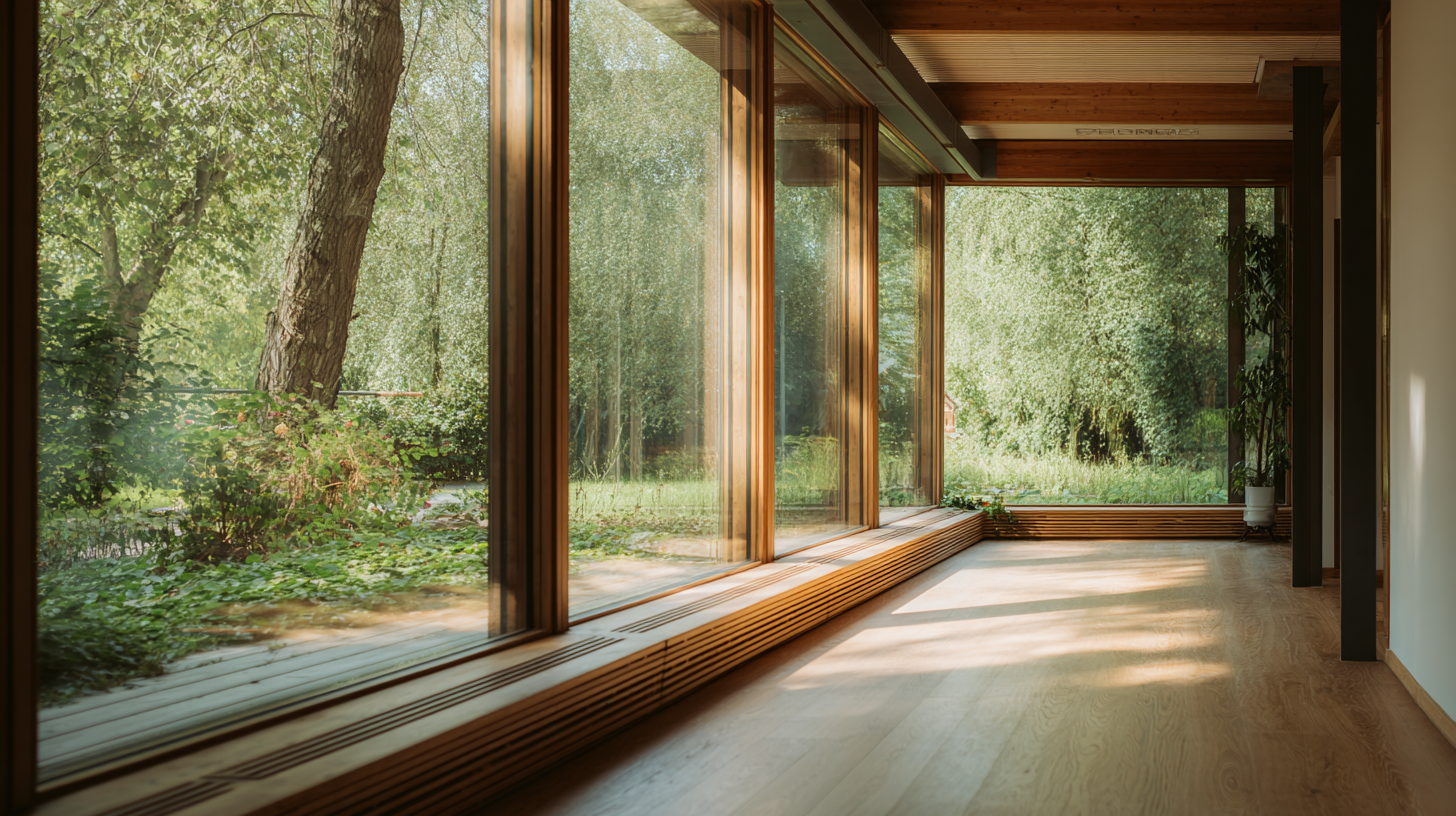
The aesthetic appeal of modern architecture is being profoundly transformed by cutting-edge designs in windows and doors. As architects and designers increasingly prioritize visual impact, innovative materials and styles are emerging to create stunning façades that harmonize functionality with beauty. Large, expansive glass installations, for instance, are not only a source of natural light but also provide unobstructed views that enhance the connection between indoor and outdoor spaces. With sleek frames and minimalistic designs, these windows and doors become integral elements of the architectural language, giving buildings a contemporary edge.
Moreover, the integration of energy-efficient technologies within these designs further elevates their appeal. By utilizing high-performance glass and advanced insulation techniques, modern window and door systems can help reduce energy consumption while maintaining a stylish aesthetic. This combination of form and function not only meets the demands of eco-conscious consumers but also allows architects to explore bold shapes and configurations that make a statement. As a result, the latest innovations in windows and doors are redefining what it means to create visually striking and sustainable spaces in contemporary design.

Smart Technology Integration for Improved Energy Management
The integration of smart technology in windows and doors is revolutionizing energy management, reflecting a growing awareness of sustainability and aesthetic appeal in home design. In the global energy management market, projections indicate a substantial increase from $70.58 billion in 2023 to $222.56 billion by 2030, with a compound annual growth rate (CAGR) of 17.8%. This growth is largely driven by advancements in digital twin technology, which enhance the manufacturing process through precise simulations and high-resolution modeling. Such innovations not only facilitate effective product design but also support the adoption of energy-efficient solutions in modern construction.
Furthermore, the convergence of Building Information Modeling (BIM), the Internet of Things (IoT), and artificial intelligence (AI) has emerged as a fundamental requirement for sustainable infrastructure development. The smart city market itself is expected to soar from $767.75 billion in 2024 to $4,647.63 billion by 2032, flourishing at a remarkable CAGR of 25.2%. This underscores the critical role of smart integrations in optimizing energy consumption across urban landscapes, driving the demand for intelligent windows and doors that not only enhance energy management but also contribute to the aesthetic value of buildings. As these technologies evolve, the impact on both energy efficiency and design will be profound.
Sustainable Manufacturing Practices in Window and Door Production
In recent years, the window and door industry has seen a significant shift towards sustainable manufacturing practices, reflecting a broader commitment to energy efficiency and environmental responsibility. Companies are increasingly adopting eco-friendly materials, such as recycled aluminum and sustainably sourced wood, to minimize their carbon footprints. By integrating advanced technologies in production, manufacturers can streamline processes, reduce waste, and enhance the durability of their products, contributing to a more sustainable future.
**Tips for Choosing Sustainable Windows and Doors:**
1. Look for products that meet energy efficiency ratings such as ENERGY STAR. This ensures that your selections not only enhance aesthetic appeal but also reduce energy consumption.
2. Consider windows and doors made from recycled materials. They are often just as durable as traditional options and contribute to less environmental waste.
3. Pay attention to the manufacturing process. Brands that prioritize sustainable practices usually provide transparency about their sourcing and production methods.
Emphasizing sustainability not only benefits the planet but also enhances the value of your home. Investing in green options for windows and doors is a step towards achieving a harmonious balance between energy efficiency and visual elegance.
Exploring the Latest Innovations in Windows Doors for Energy Efficiency and Aesthetic Appeal - Sustainable Manufacturing Practices in Window and Door Production
| Feature |
Description |
Energy Efficiency Rating |
Sustainability Certification |
Aesthetic Appeal Ratings |
| Triple Glazing |
Utilizes three layers of glass for enhanced insulation |
A++ |
FSC Certified |
8/10 |
| Low-E Coatings |
Reflects heat while allowing light to pass through |
A+ |
LEED Certified |
9/10 |
| Advanced Frame Technology |
Improves structural integrity and thermal performance |
A++ |
Energy Star Certified |
7/10 |
| Recyclable Materials |
Uses materials that can be recycled at the end of their life cycle |
A |
Cradle to Cradle Certified |
8/10 |
| Smart Home Integration |
Compatible with smart home systems for remote control |
A++ |
ISO 14001 Certified |
9/10 |
Trends in Energy Star Ratings and Their Impact on Consumer Choices
The recent trends in Energy Star ratings have significantly influenced consumer choices when it comes to selecting windows and doors. Homeowners increasingly recognize the importance of energy efficiency, not only for environmental reasons but also for reducing utility bills. Energy Star-rated products are designed to meet stringent energy performance criteria, making them more appealing to eco-conscious consumers. This heightened awareness is pushing manufacturers to innovate continuously, integrating advanced technologies that enhance thermal insulation and reduce air leakage.
Moreover, the aesthetic appeal of windows and doors is also evolving alongside energy efficiency. Consumers are seeking products that not only perform well but also complement their home’s architectural style. Manufacturers are responding by offering a wider range of designs, materials, and finishes that meet both aesthetic desires and energy efficiency standards. This dual focus on performance and beauty is reshaping market offerings, suggesting that homeowners no longer need to compromise on style for the sake of energy savings. As a result, products that combine aesthetic appeal with high Energy Star ratings are becoming increasingly popular, reflecting a significant shift in consumer preferences in the home improvement sector.