How to Install External Windows for Better Home Energy Efficiency
Improving home energy efficiency has become a significant concern for homeowners seeking to reduce energy costs and minimize their environmental impact. One effective way to enhance a home's energy performance is through the installation of external windows. Unlike traditional windows, external windows provide an additional barrier against external weather conditions, effectively controlling indoor temperatures and reducing reliance on heating and cooling systems. By strategically placing these windows, homeowners can maximize natural light while ensuring optimal insulation for their living spaces.
The choice of external windows significantly influences a home's overall energy efficiency. Properly installed external windows can reduce energy loss, mitigate drafts, and minimize noise pollution from the outside. Furthermore, incorporating energy-efficient features such as low-emissivity (low-E) glass can further enhance performance, reflecting heat back into the home during winter and keeping it cooler during summer months. As we delve into the process of selecting and installing external windows, it is essential to consider factors such as design, orientation, and frame materials to achieve the desired energy efficiency and aesthetic appeal.
Understanding the Benefits of External Windows for Energy Efficiency
When it comes to enhancing home energy efficiency, understanding the benefits of installing external windows is vital. These windows act as an additional layer of protection against the elements, helping to regulate indoor temperatures and reduce reliance on heating and cooling systems. This results in lower energy bills and a decreased carbon footprint. Moreover, external windows can significantly minimize noise pollution from the outside, providing a more peaceful and comfortable living environment.
Tip: Consider using high-efficiency glazing options, which can reflect heat and manage UV exposure, thus protecting your interiors while maintaining thermal comfort.
Furthermore, external windows can help mitigate the effects of weathering by shielding the primary windows from wind, rain, and UV radiation. This not only extends the lifespan of your main windows but also improves their overall functionality by preventing air leaks and drafts. Homeowners can benefit from these advantages while also increasing the aesthetic appeal of their properties.
Tip: When selecting external windows, prioritize materials that provide excellent insulation properties, such as fiberglass or vinyl, to further enhance your home’s energy performance.
How to Install External Windows for Better Home Energy Efficiency
| Feature |
Description |
Energy Efficiency Benefit |
Estimated Savings (%) |
| Low-E Glass |
Glass coated with a transparent layer that reflects heat. |
Reduces heating costs in winter and cooling costs in summer. |
10-20% |
| Argon Gas Filling |
Windows filled with argon gas for better insulation. |
Enhances thermal performance and reduces energy loss. |
5-15% |
| Double-Glazing |
Two panes of glass with a space between them for insulation. |
Minimizes heat transfer and reduces outside noise. |
15-30% |
| Window Frames |
Energy-efficient materials like fiberglass or vinyl. |
Improves insulation and durability. |
5-10% |
| Installation Quality |
Properly sealed and installed windows to prevent leaks. |
Ensures optimal performance and efficiency. |
Up to 20% |
Choosing the Right Type of External Windows for Your Home
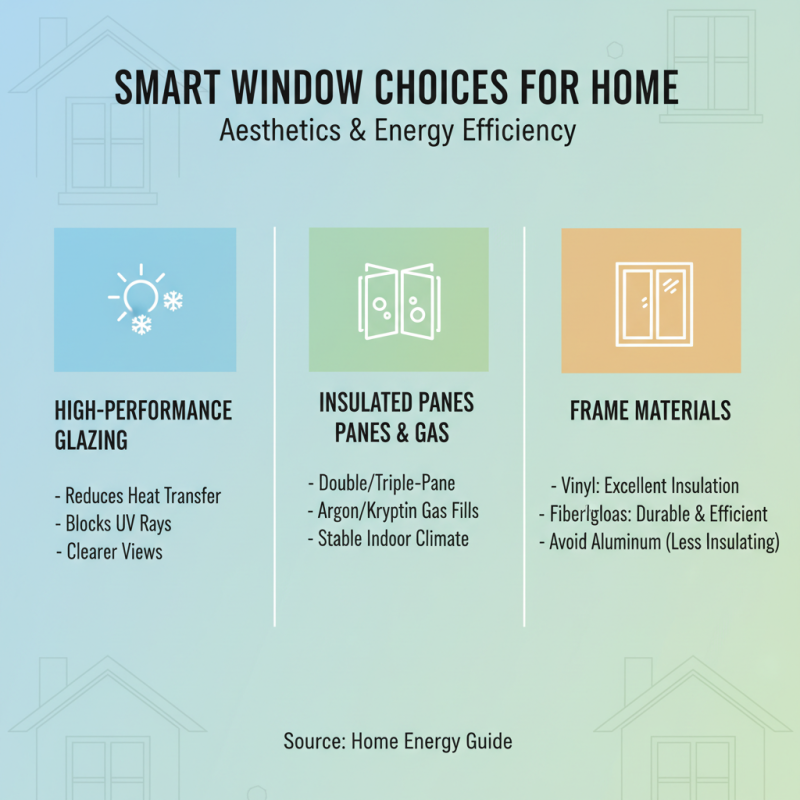
When selecting the right type of external windows for your home, it’s essential to consider both aesthetics and energy efficiency. Look for windows that feature high-performance glazing, which can significantly reduce heat transfer. Double or triple-pane windows with insulating gas fills can create a barrier against temperature fluctuations, ensuring a more stable indoor climate. Additionally, consider the frame material; options such as vinyl or fiberglass often provide better insulation than aluminum, making them a wise choice for energy-conscious homeowners.
Another critical factor to consider is the window style itself. Different styles can impact not only the look of your home but also its energy efficiency. For example, casement windows, which open outward, can create a tighter seal than sliding windows, reducing air leaks. Furthermore, strategically placing energy-efficient windows in areas that receive ample sunlight can help heat your home naturally during colder months while maintaining coolness during the summer. Ultimately, the right combination of materials and styles tailored to your home's specific needs can lead to significant improvements in energy efficiency and comfort.
Step-by-Step Guide to Measuring Your Window Openings
Measuring your window openings accurately is crucial for ensuring a proper fit for external windows, which can significantly enhance your home's energy efficiency. Begin by gathering the necessary tools, including a tape measure, a level, and a notepad to record your measurements. Start by measuring the width of the window opening at three different points: the top, middle, and bottom. Use the smallest measurement you obtain to determine the width of the new window frame, as this will account for any irregularities in the opening.
Next, measure the height of the window opening from the highest point of the sill to the top of the frame at both sides and the center. Again, note the smallest measurement to ensure that the new windows will fit seamlessly. It’s also advisable to check for plumbness using a level; any discrepancies may need to be addressed prior to installation. Making these precise measurements will not only help in selecting the right windows but also avoid costly adjustments later on. Remember to take notes of your findings and, if possible, photograph the window openings for reference during your installation process.
Energy Efficiency Improvement with External Windows
Preparing Your Home for External Window Installation
Preparing your home for external window installation is a crucial step in enhancing energy efficiency and maximizing the performance of your new windows. Before beginning the installation process, homeowners should first conduct a thorough assessment of their current windows. According to the U.S. Department of Energy, windows account for up to 25-30% of residential heating and cooling energy use. Identifying areas of draft or decay can help prioritize which windows need immediate attention, ensuring a more targeted energy-saving approach.
Next, it's essential to consider the surrounding spaces of the installation areas. Clear away furniture, decor, or obstructions near the windows to create a safe and efficient workspace for installers. This preparation not only facilitates a smoother installation process but also protects your belongings from potential damage.
Furthermore, homeowners should inspect for water damage or mold around window frames, as addressing these issues beforehand can prevent complications during installation. A report by the National Fenestration Rating Council reveals that proper window installation can lead to an estimated 20% reduction in heating and cooling costs, showcasing the significant return on investment that well-prepared installations can offer.
Finalizing the Installation and Ensuring Proper Sealing
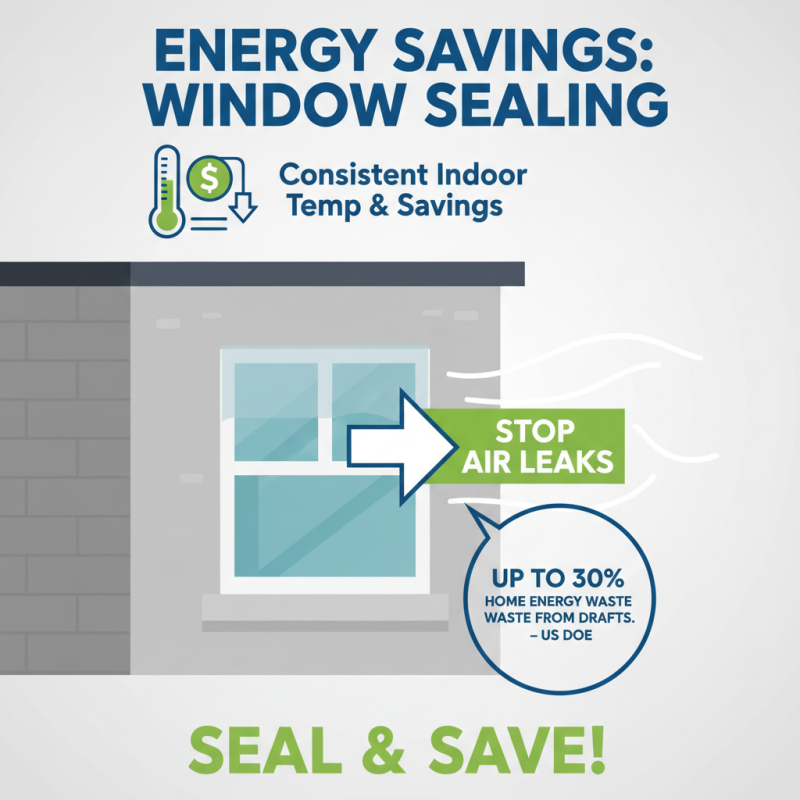
Finalizing the installation of external windows is a crucial step in enhancing energy efficiency in homes. Proper sealing not only minimizes air leaks but also helps to maintain a consistent indoor temperature, leading to significant energy savings. According to the U.S. Department of Energy, drafts can waste up to 30% of a home's energy. This emphasizes the importance of ensuring that windows are installed with precision and that gaps are filled effectively to prevent air infiltration.
To achieve optimal sealing, various materials like weatherstripping and caulk should be used meticulously. The American Society of Civil Engineers suggests that well-sealed windows can improve a home's energy efficiency by up to 15%. When applying sealants, it's essential to follow manufacturer guidelines and local building codes to ensure longevity and effectiveness. In addition, homeowners should consider conducting a blower door test post-installation to pinpoint any remaining leaks. This step not only guarantees better sealing but also enhances overall home comfort and can lead to lower utility bills over time. By prioritizing sealing in the installation process, homeowners can make a substantial impact on their energy efficiency.