Leave Your Message


Buying Clad Windows from a global supplier can appear straightforward. It rarely is.
A polished catalog may show elegant oak interiors, durable aluminum exteriors, and impressive thermal figures. Yet those details do not reveal everything. Buyers must examine frame construction, aluminum thickness, wood treatment, glazing options, drainage paths, and installation requirements. A window can look excellent in a showroom and still perform poorly on a windy, rainy site. Small differences matter.
Building-envelope educator John Leeke describes the basic challenge clearly: “A window is a hole in the wall with some glass in it.” His statement sounds simple, almost too simple. It is also easy to forget when comparing attractive international offers. Clad Windows are not isolated products. Their performance depends on climate, wall design, flashing, sealants, transport conditions, and installer skill.
This guide presents ten practical tips for evaluating Clad Windows from global suppliers. It considers technical specifications, factory quality control, certifications, testing records, warranty language, lead times, packaging, customs documentation, and after-sales support. Readers should verify every important claim with current documents and independent project references. Supplier websites are useful, but they are not neutral evidence.
The lowest price may be tempting. It may also hide missing accessories, unclear responsibility, or expensive replacement delays. Even experienced buyers can overlook regional differences in standards and installation practice. That weakness deserves attention, not excuses. A careful purchasing process reduces surprises and creates a clearer path from quotation to completed installation.
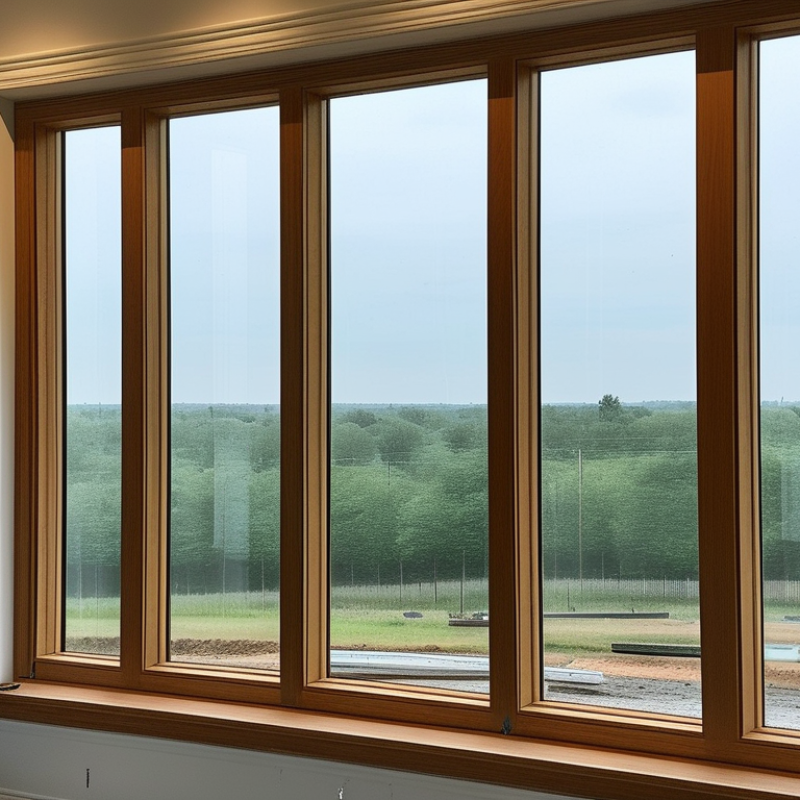
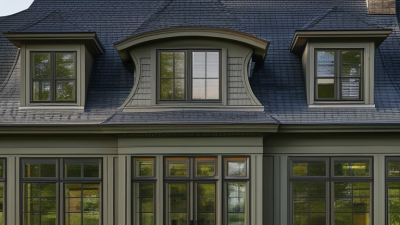
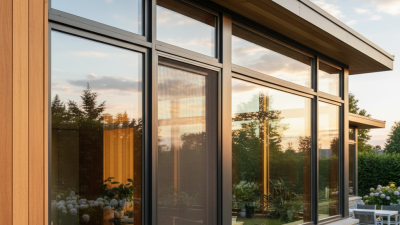
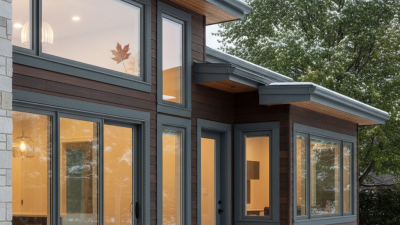
Clad windows combine a wood or composite interior with an exterior protective layer, usually aluminum, vinyl, or fiberglass. The inner frame supports warmth and finishability, while the outer cladding resists rain, sunlight, and maintenance demands. This is not a single performance category. Design quality still matters.
The U.S. Department of Energy reports that windows can represent 25–30% of residential heating and cooling energy use. Therefore, buyers should compare U-factor and solar heat gain coefficient, not only frame materials. Lower U-factor generally means better insulation. SHGC shows how much solar heat enters the room. In hot regions, a lower value can reduce cooling loads. In cold regions, moderate solar gain may help.
Air leakage, water resistance, and condensation control deserve equal attention. NFRC ratings provide standardized comparisons, while laboratory testing under AAMA and WDMA procedures can reveal weathering performance. A supplier should provide test reports, installation requirements, and warranty conditions in clear language. Ask for corner samples, gasket details, drainage paths, and finish specifications. Small gaps can become large problems.
A practical warning remains. Cladding may hide weak joinery or poor installation. The label “low maintenance” is not a guarantee. Field conditions differ from laboratory results, especially around coastal exposure, freeze-thaw cycles, and strong wind. Buyers should review local climate data and inspect completed projects when possible. Some specifications will need revision after that inspection.
| Tip | Buying Dimension | What to Confirm | Relevant Performance Feature | Practical Data or Acceptance Criteria | Supplier Documents to Request |
|---|---|---|---|---|---|
| 1 | Define the Clad Window Construction | Confirm the interior frame material, exterior cladding material, cladding attachment method, seal design, glazing system, and drainage path. | Material compatibility and moisture protection | The exterior cladding should form a continuous weather-resistant layer while allowing the window system to drain water away from vulnerable frame components. | Cross-sectional drawings, material specifications, assembly details, and drainage diagrams. |
| 2 | Compare Thermal Insulation | Evaluate the complete window rather than comparing center-of-glass values alone. Include the frame, edge spacer, glazing, and air leakage. | U-factor and solar heat gain control | A lower U-factor indicates better heat-flow resistance. Compare values using the same test method, unit system, window size, and glazing configuration. | Certified thermal test results, whole-window U-factor data, glazing build-up, spacer type, and low-emissivity coating information. |
| 3 | Check Air Leakage | Ask how the window performs when closed and locked, including the effectiveness of weather seals and corner joints. | Air tightness and energy efficiency | Lower air-leakage rates generally indicate a tighter window. The result must identify the test pressure and the applicable regional standard. | Air-infiltration test report, test pressure, product size, operating type, and laboratory identification. |
| 4 | Verify Water Resistance | Confirm that the unit has tested resistance to water penetration and that the sill, corners, joints, and cladding interfaces are properly sealed or drained. | Weather resistance | Water-performance results should state the pressure achieved, test duration, window configuration, and whether any water entered the interior side of the assembly. | Water-penetration test report, sill details, corner details, installation instructions, and approved flashing requirements. |
| 5 | Assess Wind-Load Capacity | Match the window design to the project location, building height, exposure category, opening size, and local structural requirements. | Structural strength and serviceability | Review both design pressure and ultimate pressure where reported. Larger units and exposed elevations may require higher structural ratings or additional anchoring. | Structural test report, design-pressure rating, deflection information, anchoring schedule, and size limitations. |
| 6 | Review Glass and Solar Control | Choose glazing according to climate, orientation, daylight needs, safety requirements, and overheating risk. | Visible transmittance, solar heat gain, and safety | Compare visible transmittance and solar heat gain coefficient values. Safety glazing may be required in hazardous locations, such as doors, low panes, and areas near walking surfaces. | Glass make-up, safety-glazing confirmation, visible-transmittance data, solar-heat-gain data, and coating description. |
| 7 | Evaluate Cladding Durability | Confirm the cladding alloy or material, coating system, coating thickness, surface preparation, drainage, and resistance to ultraviolet exposure and corrosion. | Weathering, corrosion resistance, and color retention | For aluminum cladding, review the coating type and applicable finish-performance testing. Coastal or industrial environments may require enhanced corrosion protection and maintenance planning. | Material certificates, coating specifications, finish samples, corrosion-test results, color-retention data, and care instructions. |
| 8 | Confirm Acoustic Performance | Compare the complete window assembly, including frame, seals, glazing, and installation joints, rather than evaluating glass alone. | Sound transmission reduction | Higher sound-transmission ratings generally indicate better resistance to airborne noise. Performance depends strongly on glazing thickness, air spaces, frame design, and perimeter sealing. | Laboratory acoustic report, tested configuration, sound-transmission rating, spectrum adaptation terms where applicable, and installation requirements. |
| 9 | Audit Manufacturing and Quality Control | Check dimensional tolerances, corner construction, hardware installation, glazing quality, seal continuity, labeling, packaging, and batch traceability. | Consistency and operational reliability | Request a documented inspection plan with measurable checks for frame dimensions, squareness, sash operation, locking, glass defects, finish quality, and moisture-related defects. | Quality-control plan, inspection records, sample approval procedure, nonconformance process, production photographs, and traceability format. |
| 10 | Plan Global Delivery and Installation | Confirm applicable building codes, metric or imperial sizing, Incoterms, lead time, packaging, customs documents, replacement-part support, warranty terms, and installation responsibility. | Project compatibility and lifecycle value | Window performance can be reduced by incorrect installation. Require approved flashing, shimming, fastening, perimeter-sealing, and sequencing instructions for the selected wall system. | Shop drawings, installation manual, packing list, commercial invoice data, warranty terms, spare-parts list, delivery schedule, and site inspection checklist. |