Leave Your Message

7 Tips for Choosing an Aluminum Clad Sunroom

Choosing an Aluminum Clad Sunroom is not simply a matter of selecting attractive frames and bright glass. It is a decision about comfort, weather resistance, maintenance, and long-term value. A sunroom may look perfect in a showroom, yet feel unbearably hot beside a west-facing wall. Small details matter.

Mike Holmes, a licensed contractor and renovation authority, often repeats, “Do it right the first time.” That advice fits this project well. The correct cladding, thermal break, glass package, roof design, and drainage system can prevent expensive corrections later. Still, one material choice rarely solves every problem. Aluminum can resist rain and insects, but poor installation may invite leaks, condensation, or drafts.

This guide presents seven practical tips for choosing an Aluminum Clad Sunroom. It considers the frame’s finish, structural strength, energy performance, ventilation, roof pitch, installation quality, and warranty terms. You will also see why local climate should influence every specification. Coastal homes may need stronger corrosion protection. Cold regions may require better insulated frames. Hot climates may benefit from solar-control glazing and external shading.

Some recommendations may seem obvious. They are easy to overlook. A polished brochure cannot reveal how the room performs during a January freeze or a humid summer afternoon. Ask for product samples, drainage details, performance ratings, and installation references. Then question your assumptions. The cheapest quote may not be the least expensive choice over twenty years. A reliable Aluminum Clad Sunroom should feel bright, dry, quiet, and comfortable—not merely impressive on opening day.
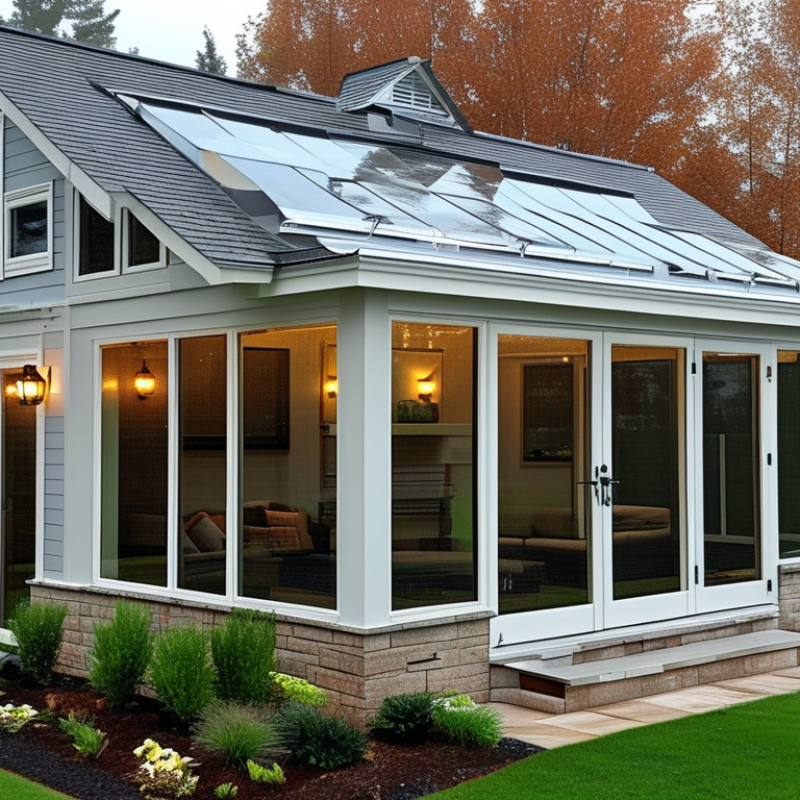
7 Tips for Choosing an Aluminum Clad Sunroom

Define Your Sunroom’s Purpose, Size, and Placement

Before choosing an aluminum clad sunroom, define how your household will use it. A breakfast room needs different planning than a reading space or plant room. Track sunlight across one typical day. Morning glare can suit coffee, but strong afternoon heat may make dining uncomfortable. Think about seasonal use, too. Will the room stay warm in winter? Will screens be essential during summer?

Measure the available area, then sketch furniture at full scale. Leave clear walking paths around chairs, tables, and doors. Measure twice. A compact room can feel generous with built-in seating, while a large room may feel empty without a clear function. Consider storage for cushions, gardening tools, or outdoor lighting controls. I once underestimated door swing space in a similar planning exercise. It looked fine on paper, but daily movement felt awkward.

Placement affects comfort, maintenance, and long-term value. A south-facing position may provide welcome winter light, yet it can require shading and careful ventilation. Nearby trees can reduce heat, but falling leaves may collect on the roof. Keep the structure away from areas where water naturally gathers. Check drainage, ground stability, and access for installation before finalizing the layout. Local building requirements may also affect setbacks, glazing, foundations, and electrical work. A qualified contractor or building professional should verify those details on site. Don’t rely on assumptions.
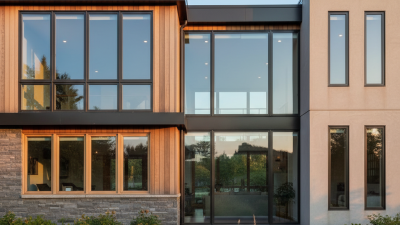
Compare Aluminum Cladding Materials and Weather Resistance

Choosing an aluminum clad sunroom starts with the cladding material, not its color. Solid aluminum panels provide strong impact resistance and stable performance in changing temperatures. Aluminum composite panels are lighter and often easier to shape. However, their inner core and edges require careful protection from moisture.

Coastal homes need special attention. Salt air can accelerate corrosion around cut edges, joints, and fasteners. A high-quality powder coating usually resists ultraviolet light, rain, and fading. Anodized aluminum offers a durable surface, but scratches can remain visible. Ask for coating thickness, weather testing, and repair guidance before ordering.

Installation affects weather resistance as much as the panel itself. Proper flashing directs rain away from walls and window frames. Ventilated cavities help release trapped heat and moisture. Stainless or compatible fasteners can reduce galvanic corrosion. I would inspect corners and drainage paths after heavy rain. Small gaps often reveal larger problems.

No cladding is maintenance-free. That claim deserves doubt. In practice, gentle washing every few months removes salt, dust, and bird deposits. Avoid abrasive tools, which can damage protective finishes. A darker surface may absorb more heat, especially under strong summer sun. I once underestimated that detail on a south-facing design. The room became uncomfortable before shading was added. Compare material strength, coating performance, local climate, and installation quality together. That comparison is more reliable than choosing by appearance alone.

Evaluate Frame Design, Glass Options, and Energy Efficiency

Choosing an aluminum clad sunroom requires more than admiring its clean exterior. Frame design affects comfort, drainage, and long-term maintenance. I once focused mainly on the visible aluminum finish. That assumption was wrong. Inspect the frame’s thermal breaks, corner joints, and sill channels. A continuous thermal break can limit heat transfer through the metal. Sloped sills should direct rainwater away from the interior. Ask how the frame handles expansion during hot weather.

Glass selection deserves equal attention. Double glazing may suit mild climates, while triple glazing can help in colder regions. Low-emissivity coatings reduce unwanted heat movement. Argon-filled units can improve insulation. For strong southern or western sunlight, compare solar heat gain values carefully. A darker room is not always a cooler room. Review the glass specification, not just the advertised window size.

Energy efficiency also depends on installation quality. Confirm the tested U-value and air-leakage rating for the complete window system. Weatherstripping should compress evenly around each opening. A small gap can create a noticeable cold draft. I would request independent performance data and a clear installation warranty. A qualified installer should check orientation, shading, ventilation, and local climate conditions. Even good glass performs poorly when the frame is poorly sealed. Recheck your assumptions before ordering; the cheapest option may become expensive through heating or cooling losses.

7 Tips for Choosing an Aluminum Clad Sunroom - Evaluate Frame Design, Glass Options, and Energy Efficiency

Tip What to Evaluate Recommended Specification or Benchmark Why It Matters Potential Trade-Offs Questions to Ask Before Buying
1 Aluminum-Clad Frame Design Look for a durable exterior aluminum skin combined with a thermally improved interior frame. A continuous thermal break or insulated frame zone is preferable to an unbroken aluminum profile. Aluminum is strong and low-maintenance, but it conducts heat efficiently. Thermal separation helps reduce heat transfer, interior surface condensation, and uncomfortable cold or hot frame areas. More advanced frame construction can increase cost, depth, and overall frame weight. Where is the thermal break located? Is it continuous around the frame? How are frame corners, joints, and sill sections insulated?
2 Glass Configuration Choose double-pane insulated glass as a practical minimum for most conditioned sunrooms. Triple-pane glass may be appropriate in colder climates or where maximum insulation and noise reduction are priorities. Multiple panes create insulating air spaces and reduce heat flow compared with single-pane glazing. Insulated glass also improves interior comfort near large windows. Triple glazing is heavier and usually more expensive. It may require stronger hardware and framing. Is the glass double-pane or triple-pane? What is the cavity width? Is the insulating unit sealed and covered by a warranty?
3 Low-E Coating and Solar Control Select a low-emissivity coating suited to the local climate and the sunroom’s orientation. South- and west-facing elevations often benefit from lower solar heat gain, while cold climates may require a balance between daylight and passive solar warmth. Low-E coatings can reduce radiant heat transfer and help control unwanted solar heat gain without making the room completely dark. A coating optimized for strong solar control may reduce winter heat gain or visible light. The correct choice depends on climate and orientation. What are the glass U-factor, solar heat gain coefficient, and visible transmittance? Is the coating positioned on the correct glass surface?
4 Energy-Performance Ratings Compare whole-window ratings rather than glass-only claims. Lower U-factor generally indicates better insulation, while the appropriate solar heat gain coefficient depends on the climate and exposure. A practical target for many efficient residential windows is a U-factor around 0.30 or lower, subject to local requirements. Certified ratings make it easier to compare products using consistent measurements for heat transfer and solar performance. A very low U-factor does not automatically solve overheating. A room with extensive west-facing glass may still need shading or ventilation. Are the ratings for the complete window or only the center of the glass? Were they tested under a recognized fenestration rating system?
5 Air and Water Resistance Favor systems with tested air leakage, water penetration, and structural performance. Multi-point seals, compression gaskets, sloped sills, properly designed weep paths, and carefully sealed transitions are important. Good air sealing reduces drafts and energy loss. Water-management details help protect insulation, finishes, flooring, and adjoining walls. More seals and drainage components require accurate fabrication, correct installation, and periodic inspection. What are the tested air-leakage and water-resistance results? How is water drained from the sill? What flashing is used where the sunroom meets the house?
6 Shading, Ventilation, and Orientation Plan roof overhangs, exterior shades, operable windows, roof vents, or other ventilation features according to the site. Exterior shading is generally more effective than interior blinds at stopping solar heat before it reaches the glass. Even high-performance glazing can allow substantial solar heat into a glass-heavy room. Shading and controlled ventilation improve summer comfort and reduce cooling demand. Exterior shades require space, maintenance, and wind consideration. Operable windows may reduce airtightness slightly compared with fixed units. Which walls and roof areas receive direct morning or afternoon sun? How will the room be ventilated during mild weather and protected during storms?
7 Installation, Condensation, and Maintenance Use an experienced installer familiar with extensions and large glazed structures. Confirm that the sill, perimeter joints, roof connection, insulation, and interior vapor-control details are included in the design. A high-performing frame and glass package can underperform if installation creates gaps, thermal bridges, or pathways for water. Correct interior humidity control also helps limit condensation. Professional installation may add to the project budget, and aluminum cladding still requires periodic cleaning and inspection of seals and drainage openings. Who is responsible for structural connections and weather sealing? What maintenance is required? What are the separate warranties for glass, frame finish, seals, and installation?

Check Installation Quality, Maintenance Needs, and Warranty Coverage

Choosing an aluminum clad sunroom requires more than admiring clean lines and bright glass. Installation quality controls comfort, drainage, and long-term durability. I once trusted a beautiful showroom sample too quickly. That was a mistake.

Ask the installer to show sill flashing, corner seals, fastener spacing, and drainage paths before work begins. The frame should sit level, with tight joints and no visible gaps. Poor alignment can create rattling panels, water stains, and difficult door operation. The U.S. Department of Energy reports that windows can account for 25–30% of residential heating and cooling energy use. Therefore, request documented U-factor and solar heat gain ratings for the complete assembly, not the glass alone. Small details matter.

Maintenance should be practical. Check sealants, gaskets, weep holes, and powder-coated surfaces each year. Rinse coastal salt from aluminum more often. Do not ignore condensation. It may indicate ventilation problems or inadequate thermal separation. Warranty coverage deserves the same inspection. Confirm the coverage period for frames, finishes, glass, hardware, and labor. The 2023 National Association of Home Builders remodeling data shows that repair expectations strongly affect homeowner value perceptions. Yet warranty language can be vague. Ask who pays for removal, shipping, and reinstallation. Check whether coverage transfers to a future owner. Keep dated photographs and installation records. I would also request exclusions in writing. A long warranty is not automatically useful.

7 Tips for Choosing an Aluminum Clad Sunroom

Relative planning priority for installation quality, maintenance needs, energy performance, and warranty coverage

Use this practical 1–5 planning score to organize your evaluation. Give special attention to structural installation, water management, thermal performance, long-term maintenance, and clearly documented warranty responsibilities before signing a contract.

Match the Sunroom to Your Budget, Home Style, and Local Climate

7 Tips for Choosing an Aluminum Clad Sunroom

Match the sunroom to your budget, home style, and local climate. Set a realistic budget before comparing designs. Include the foundation, glazing, electrical work, ventilation, shades, and permits.

Ask contractors for itemized quotes, not vague totals.

A low initial price can hide expensive site preparation. That mistake is easy to make.

Check whether the sunroom’s roofline matches your home’s pitch and proportions. Slim aluminum frames suit modern houses, while warmer interior finishes can complement traditional homes.

Bring photos of your exterior, including trim, brick, and roof materials. Small mismatches become obvious beside large glass walls.

Study your local weather carefully. Choose thermally improved frames for cold winters and strong solar-control glazing for hot summers. Low-emissivity glass can reduce heat loss, but it may not solve overheating alone.

Add operable vents or ceiling fans where practical. In snowy regions, confirm roof-load requirements with a qualified local professional.

Coastal or humid areas need durable coatings and careful drainage details. Ask how water moves away from the sill after heavy rain. It should never collect there.

Check wind exposure, shade patterns, and afternoon sun before fixing the orientation.

A south-facing room may feel wonderful in spring, then become uncomfortable in July.

I would also question my own assumptions. A beautiful glass wall is not automatically an efficient one. Review energy calculations, warranty terms, maintenance access, and local approval requirements before signing.