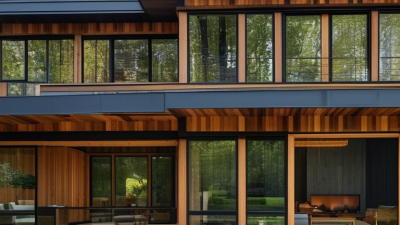
What Are the Top 10 Types of Wood Windows?
Wood Windows bring natural warmth, visible grain, and a welcoming feel to a home. Yet the phrase covers more than one product. Buyers may be comparing wood species, frame construction, or the way a window opens. Those details matter.
This guide explores ten common wood window types, including options made with pine, fir, oak, cedar, mahogany, and other species. Each offers a different balance of cost, weight, grain, durability, and upkeep. Pine is often easier to work with and finish, while dense hardwoods can offer a distinctive appearance but may cost more. Cedar naturally resists moisture, though no wood frame is maintenance-free. In practice, finish quality and exposure matter as much as the species itself.
The right choice depends on the room, local weather, budget, and maintenance routine. A sunny, rain-exposed wall asks more of a frame than a sheltered opening. Check how the joints are assembled, what protective coating is used, and whether the unit includes insulated glazing. A reputable manufacturer should explain these details clearly. Ask questions.
This list is a starting point, not a universal ranking. Comparisons can be imperfect because brands use different wood grades and construction methods. Still, understanding the main types can help homeowners compare samples, read specifications, and choose windows that suit both the building and everyday life.
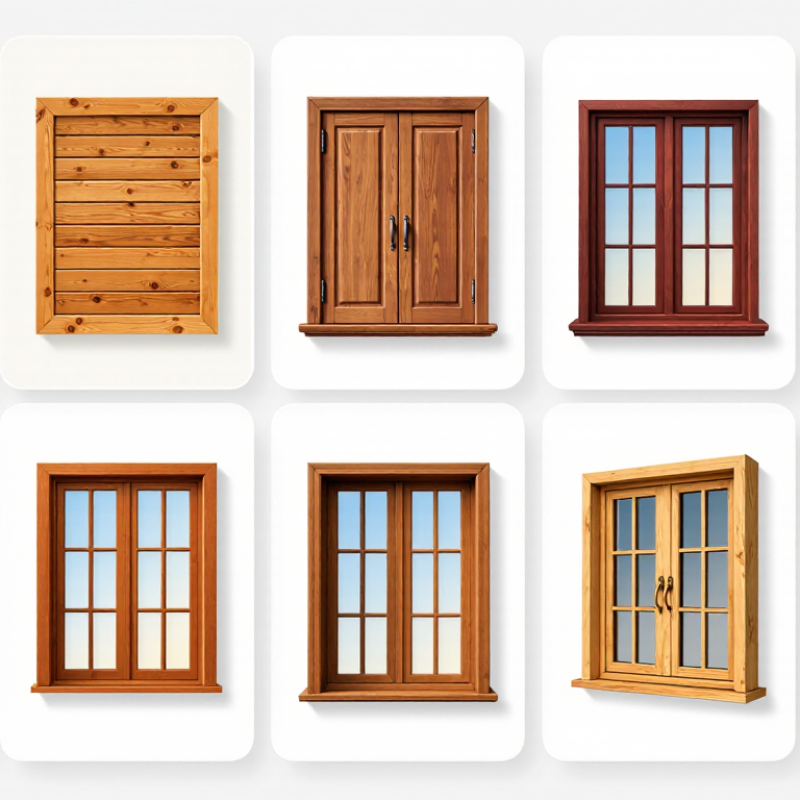
How Wood Window Types Are Classified by Design and Operation
Wood windows are classified by their shape and how their sashes move. A fixed window does not open, while a single-hung window has one movable sash. Double-hung windows let both sashes slide vertically. Sliding windows move horizontally, often along a track above a kitchen sink or patio. Casement windows swing outward on side hinges; awning windows hinge at the top, and hopper windows hinge at the bottom. Pivot windows rotate around a central point. Bay and bow windows project from the wall, creating a wider view and a small ledge.
That makes ten common types, but the categories are not perfectly tidy: bay and bow describe overall layouts, while most others describe operation. The distinction matters in daily use. A casement can catch a breeze, while a double-hung window allows controlled ventilation from above or below.
The U.S. Department of Energy’s Energy Saver guidance estimates that windows account for about 25–30% of residential heating and cooling energy use.
Operation alone does not determine efficiency; glazing, frame condition, installation, and weather seals matter too. Check for a smooth swing, snug meeting rails, and drafts near the sill. Small details count. A beautiful wood frame can still leak air if it is poorly fitted, and appearance is only part of the decision.
Top Wood Window Types That Open Vertically or Horizontally
Wood windows that move vertically or horizontally fit different rooms and ventilation needs. Single-hung and double-hung windows slide up and down; in a double-hung unit, both sashes move, making it easier to release warm air near the ceiling. Horizontal sliders move along a track and work well above kitchen counters or where an outward-opening sash would hit a walkway. Smooth tracks matter. Dust and old paint can make a slider stubborn.
Casement windows are hinged at the side and swing outward, often using a crank. Awning windows hinge at the top and open outward, helping shield a small opening from light rain. Both styles can catch breezes, but nearby branches or tight exterior spaces may limit their movement. There is a catch. Opening style alone does not predict energy performance.
The U.S. Department of Energy’s Energy Saver guidance estimates that heat gain and heat loss through windows account for 25%–30% of residential heating and cooling energy use. That makes the full assembly important: wood species, glazing, weatherstripping, and installation all affect results. Compare NFRC-rated U-factor and solar heat gain coefficient values for specific units, rather than assuming every double-hung or casement performs alike. Wood also needs periodic finish checks, especially along lower rails where rainwater can linger. A tiny maintenance task, but easy to postpone.
Wood Window Types That Swing, Tilt, or Pivot
Casement windows swing outward on side hinges, opening wide to catch a breeze. Their crank handles are easy to reach above a kitchen sink, while compression seals can help limit drafts when the sash closes. Awning windows hinge at the top and tilt outward, offering ventilation during light rain. Keep nearby walkways clear; an open sash can project into the space. Both styles need sturdy hardware, especially in larger wood frames.
Tilt-turn windows combine two actions: tilt the top inward for gentle airflow, or swing the sash inward for cleaning and full ventilation. Pivot windows rotate around a central axis, creating a distinctive opening, though their hardware and balance deserve careful inspection. Details matter. Check the operating clearance, hinge capacity, finish protection, and how the sill handles water. The U.S. Department of Energy’s Energy Saver guidance estimates that windows account for about 25–30% of residential heating and cooling energy use. That makes glazing and air leakage worth comparing alongside the opening style. A graceful pivot is not automatically the best choice for every room; sometimes a simple casement is easier to maintain. I would still test the latch and movement in person before deciding.
10 Types of Wood Windows: How They Move
Counts show how many of the ten listed window types use each movement mechanism. Categories can overlap: for example, tilt-turn windows both tilt and swing. The chart describes common designs, not market share.
Fixed and Specialty Wood Window Types
Fixed and Specialty Wood Window Types
Fixed wood windows do not open, so their frames can support broad, uninterrupted glass. They suit living rooms, stairwells, and other spots where daylight matters more than ventilation. Specialty wood windows include arches, circles, triangles, and custom geometric shapes. Their curved or angled frames add character, but they require careful measuring and skilled fabrication. A small sizing error can leave uneven trim or awkward gaps.
The U.S. Department of Energy estimates that heat gain and loss through windows account for 25–30% of residential heating and cooling energy use. That makes glazing, frame condition, and installation details important—even for windows that never open. Look for suitable insulating glass and low-emissivity coatings for the local climate. Wood also needs a sound finish and regular inspection, especially where rain can collect along sills. Beautiful, yes. Maintenance-free, no.
Tips: Sketch the opening and note sunlight, views, and nearby furniture before choosing a shape. Ask the installer how the frame will be sealed and drained. I would double-check this detail: a striking custom window can still feel wrong if it blocks useful wall space.
How to Compare Wood Window Types for Your Home
Comparing wood window types starts with how each room is used, not appearance alone.
Single-hung and double-hung windows suit traditional rooms; double-hung sashes tilt inward for easier cleaning. Casement and awning windows crank open, helping catch breezes, while sliding windows need less clearance beside patios. Fixed picture windows provide daylight but do not ventilate. Hopper windows open inward, often fitting basements. Tilt-turn windows offer two opening positions. Bay and bow windows project outward, adding a seat or shelf but requiring more wall space. The comparison is not perfectly tidy.
Check each option’s U-factor and solar heat gain coefficient (SHGC) on its National Fenestration Rating Council label. Lower U-factor means less heat transfer; SHGC indicates how much solar heat enters. The U.S. Department of Energy estimates that heat gain and loss through windows account for 25–30% of residential heating and cooling energy use. That makes glazing and installation important, not just the wood species or opening style. A leaky casement can underperform a well-sealed double-hung window.
For a sunny south-facing room, compare SHGC values and consider exterior shading. In a cold, windy location, prioritize low U-factor, tight weatherstripping, and careful installation. Wood needs upkeep: inspect paint or finishes around sills, where rainwater can linger. It may look warm. Yet maintenance matters. Ask installers for performance ratings for the exact size and glazing you plan to buy; ratings can vary between models, even within one window type.