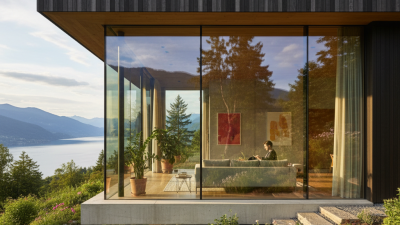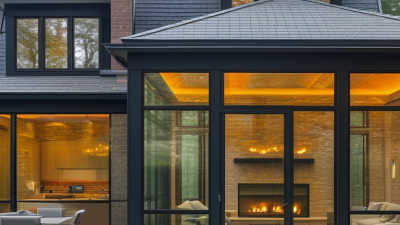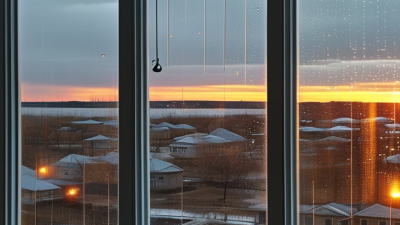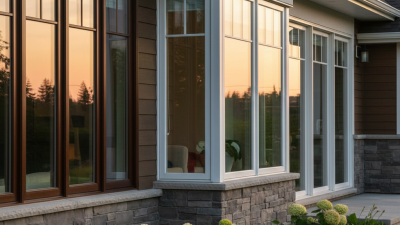
External Windows influence how a home looks, feels, and performs. They frame views, admit daylight, and help manage drafts and outdoor noise. Yet “best” depends on the building. A bright, sheltered room may suit a different design than a wind-exposed bedroom.
Common options include casement, sliding, awning, double-hung, and fixed windows. Casement windows open outward on hinges and can offer a wide opening for ventilation. Sliding windows move along a track, making them practical where exterior clearance is limited. Awning windows hinge at the top, while double-hung designs let either sash move vertically. Fixed windows do not open, but can bring in light and preserve an unobstructed view. Small details matter.
The right choice depends on more than appearance. Consider room layout, local weather, frame material, glazing, maintenance, and how the window will be installed. A large pane can make a small room feel brighter, but it may also affect heat gain and privacy. Opening styles have trade-offs, too; no type suits every wall or household. Product performance varies by manufacturer and specification, so compare documented ratings rather than relying on labels alone. This guide looks at the top types of External Windows, explains their everyday strengths and limitations, and offers practical points to weigh before choosing. A careful comparison helps. Installation quality still matters.
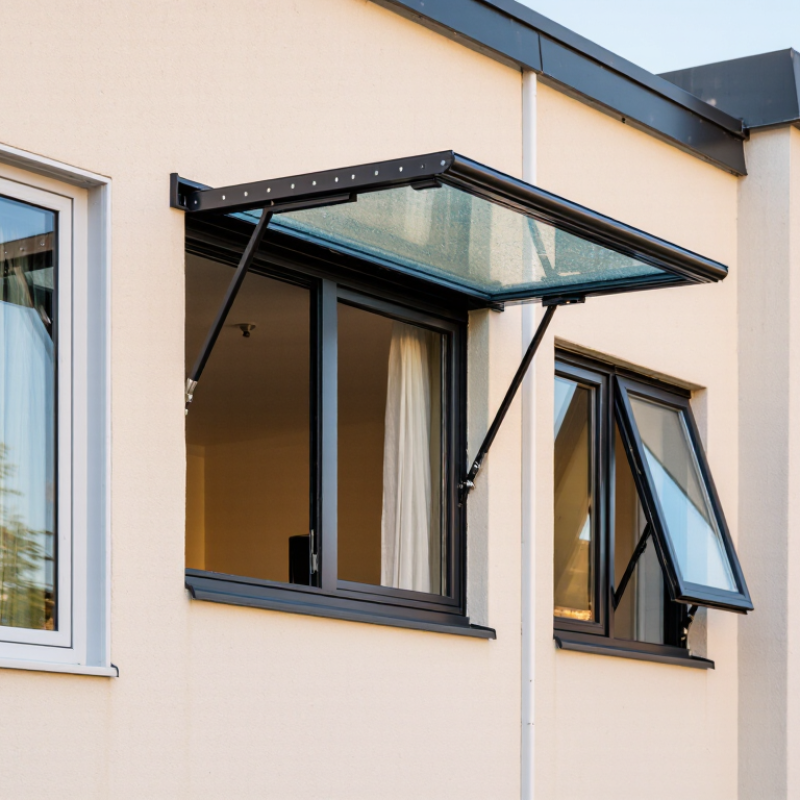
Exterior windows are openings set into a building’s outer walls. They admit daylight and, when operable, fresh air. Their frames and seals also help limit drafts, rain entry, and heat transfer. A window’s performance depends on its glazing, installation, and exposure—not just its name.
Classification often starts with how a window opens. Fixed windows stay closed and suit places where light matters more than ventilation. Casement windows hinge at the side and swing outward; awning windows hinge at the top. Sliding windows move along tracks, while single- or double-hung styles use vertically moving sashes. Tilt-turn designs can tilt inward for ventilation or swing open for access. The categories overlap. A practical detail: check that furniture, walkways, and nearby walls will not block the opening.
Windows are also grouped by frame material, such as wood, metal, vinyl, or composite, and by glazing. Double glazing uses two panes with a sealed gap; coatings and gas fills may further affect insulation. Climate, orientation, noise, and maintenance needs help determine what suits a particular wall. Specifications can be confusing, and labels do not always compare like with like. Review stated thermal and air-leakage ratings, plus installation details, before choosing.
External windows are commonly classified by how their sashes open. Casement windows swing outward on side hinges, making them useful above kitchen counters. Awning windows hinge at the top and can admit air during light rain. Sliding windows move horizontally, while single- and double-hung windows use vertically moving sashes. Fixed windows do not open, but they frame views and can bring daylight into rooms.
Opening style affects ventilation, reach, cleaning, and the space needed beside the window. It does not determine efficiency by itself. The U.S. Department of Energy’s Energy Saver guidance estimates that heat gain and loss through windows account for 25%–30% of home heating and cooling energy use. Check the National Fenestration Rating Council label for U-factor and solar heat gain coefficient; these ratings help compare products across styles. A casement may seal tightly when closed, but that advantage matters less if it is awkward to reach or maintain.
Tips: Before choosing, stand where the window will go. Check furniture clearance, handle height, and whether an open sash could obstruct a walkway. For a small room, a sliding or fixed unit may be simpler. No style suits every room, and real installation details can change the result.
Vinyl frames are popular because they resist moisture, need little painting, and often cost less than wood. Their welded corners can look plain, though. In cold weather, check the complete window’s certified U-factor rather than trusting the frame material alone.
The U.S. ENERGY STAR residential window criteria set regional U-factor limits from 0.22 to 0.32, reflecting different climate needs. These are product-level targets, not promises that every vinyl window performs alike.
Wood frames offer a warmer interior finish and can be repaired, but exposed paint needs upkeep. Fiberglass frames are dimensionally stable through temperature swings; their finish and price vary.
Aluminum frames are slim and strong, which suits larger panes, but standard metal conducts heat readily. Thermal breaks help.
The National Fenestration Rating Council rates the whole window, including frame, glass, and spacer, so compare its label across options.
A low U-factor matters in heating-heavy regions; solar heat gain can matter more where cooling dominates.
Look closely at installation, too. A well-rated window can still leak air around a poorly sealed opening. I would not call one frame universally best.
Sometimes the overlooked detail is the installer’s flashing.
What Are the Top Types of External Windows?
Window design changes more than a room’s appearance. Fixed windows provide broad, uninterrupted daylight but do not open for fresh air. Casement windows swing outward and can catch side breezes; double-hung and sliding designs offer simpler, controlled openings. That matters.
The U.S. Department of Energy’s Energy Saver guidance estimates that heat gain and loss through windows account for about 25–30% of residential heating and cooling energy use. The figure varies by home, climate, and installation. For efficiency, compare NFRC-rated U-factor and solar heat gain coefficient (SHGC), not frame material alone. Lower U-factor generally means less heat transfer; SHGC helps indicate how much solar heat enters. A sunny room may benefit from lower SHGC, while a cold, shaded room can need a different balance.
Ventilation depends on the opening, not just the window label. A casement may direct a breeze indoors, while a slider usually leaves only part of its frame open. Screens, nearby walls, and wind direction can reduce airflow. I would not choose by style alone; that shortcut is tempting, and sometimes wrong. A small, poorly sealed gap can undermine a high-rated unit. Check the opening size and installation details in the actual room.
What Are the Top Types of External Windows?
When choosing exterior windows, start with your home’s exposure. A west-facing room may collect harsh afternoon sun, while a windy side needs careful attention to air and water sealing. Look at frame materials, too. Vinyl, fiberglass, wood, and aluminum each differ in upkeep, insulation, appearance, and cost. No option is perfect.
Glass affects comfort as much as the frame. Double- or triple-pane units can reduce heat transfer, while low-emissivity coatings may help limit unwanted solar gain. Ask how a window’s performance is rated, and compare ratings suited to your local climate. A sample label is more useful than a vague promise. Small details matter.
Think about how each room is used. A kitchen window that opens easily can help release cooking moisture; a fixed window may suit a hard-to-reach stairwell. Check cleaning access, privacy, outside noise, and the space needed for the sash to swing or slide. Installation quality matters, too: even a well-rated unit can underperform if gaps around the frame are poorly sealed. I would also weigh maintenance honestly. A natural wood finish can look warm, but it may need more care than expected. Check local building requirements before ordering.