Unlocking Energy Efficiency: The Ultimate Guide to Passivhaus Windows and Sustainable Living
In today's pursuit of sustainable living, the integration of energy efficiency in building design is paramount. Among the various innovations in this field, Passivhaus Windows stand out as a critical element for achieving optimal thermal performance and comfort in homes. These specially designed windows are not only pivotal in minimizing energy loss but also play a significant role in enhancing indoor air quality and natural lighting. As we navigate through this ultimate guide, we will explore the multifaceted benefits of Passivhaus Windows, their contribution to lowering carbon footprints, and their essential role in the broader context of energy-efficient architecture. Join us on this journey to unlock the potential of sustainable living through innovative design and technology that ensures a greener future for all.
Understanding Passivhaus Principles for Window Design
Passivhaus, or Passive House, is a rigorous standard aimed at creating energy-efficient and comfortable living spaces. The principles of Passivhaus design significantly influence window design, crucial for maximizing energy performance. Windows in a Passivhaus framework are strategically located to optimize natural light and minimize heat loss. The use of high-performance triple-glazed windows can substantially reduce energy consumption and provide superior insulation compared to traditional windows.
Tips for selecting Passivhaus windows include considering frame materials that provide excellent thermal performance, such as fiberglass or insulated vinyl. Additionally, ensuring proper installation is vital; poorly sealed windows can undermine energy efficiency gains. It's also beneficial to choose windows with low U-values and solar gain coefficients tailored to your climate zone to enhance heat retention in winter and reduce overheating in summer.
Another key aspect is shading; integrating overhangs or shading devices can help manage solar gain effectively. This decreases reliance on artificial heating and cooling, reinforcing the sustainability of your home. By focusing on these critical elements of Passivhaus principles in window design, homeowners can significantly enhance their living environment while promoting energy efficiency.
Key Features of Energy-Efficient Windows in Passivhaus Standards
Passivhaus standards are renowned for setting the benchmark in energy efficiency, particularly when it comes to window design. Key features of energy-efficient windows in Passivhaus standards include triple glazing, low U-values, and airtight construction, all of which contribute to significant reductions in heat loss. Triple glazing utilizes three layers of glass, which creates multiple air spaces, enhancing insulation and further minimizing heat exchange. These windows typically achieve U-values well below 0.8 W/m²K, ensuring that a building retains warmth during winter and remains cool in summer.
Another pivotal aspect of Passivhaus windows is their airtightness, which prevents drafts and thermal bridging. To meet these stringent requirements, specialized frames and gaskets are used to eliminate leaks, ensuring that the thermal envelope of the building remains intact. Additionally, energy-efficient windows often feature solar control coatings and are strategically oriented to optimize natural light while reducing glare and heat gain from the sun. These elements not only comply with Passivhaus standards but also promote sustainable living by decreasing reliance on artificial heating and cooling systems, leading to long-term energy savings.
Unlocking Energy Efficiency: The Ultimate Guide to Passivhaus Windows and Sustainable Living - Key Features of Energy-Efficient Windows in Passivhaus Standards
| Feature |
Description |
Benefits |
Energy Efficiency Rating |
| Triple Glazing |
Three layers of glass with insulating gas in between. |
Reduces heat loss, enhances comfort, and minimizes energy bills. |
U-value: 0.8 W/m²K |
| High-Performance Frame |
Frames made from materials with low thermal conductivity. |
Improves insulation and longevity of windows. |
U-value: 1.0 W/m²K |
| Air Tightness |
Sealed edges to prevent air leakage. |
Enhances energy efficiency and maintains internal temperature. |
n50: < 0.6 h-1 |
| Low-Emissivity Coating |
Coating that minimizes heat transfer. |
Maximizes solar gain while reducing energy loss. |
SHGC: 0.4 |
| Solar Shading |
Features to block excessive sunlight. |
Prevents overheating and reduces cooling costs. |
N/A |
Top Tips for Selecting the Right Passivhaus Windows
When it comes to enhancing energy efficiency in your home, selecting the right Passivhaus windows is a vital step. These high-performance windows contribute significantly to thermal comfort while minimizing energy loss. Here are some top tips to consider when making your selection.
Firstly, prioritize windows with high insulation values. Look for triple-glazed options, which offer superior thermal performance compared to traditional double-glazed windows. This can drastically reduce heating costs and maintain a comfortable indoor climate throughout the year. Additionally, ensure that the windows you choose have a low U-value, indicating excellent insulation properties.
Secondly, consider the orientation and shading of your windows. Properly positioned windows can capitalize on natural sunlight, reducing the need for artificial lighting during the day and enhancing passive solar heating. Furthermore, include external shading devices or overhangs to protect against overheating during the warmer months, creating a balanced indoor environment without excessive reliance on air conditioning. Choosing the right Passivhaus windows is not just about aesthetics; it’s a crucial investment in sustainable living.
Cost-Effective Strategies for Implementing Sustainable Living
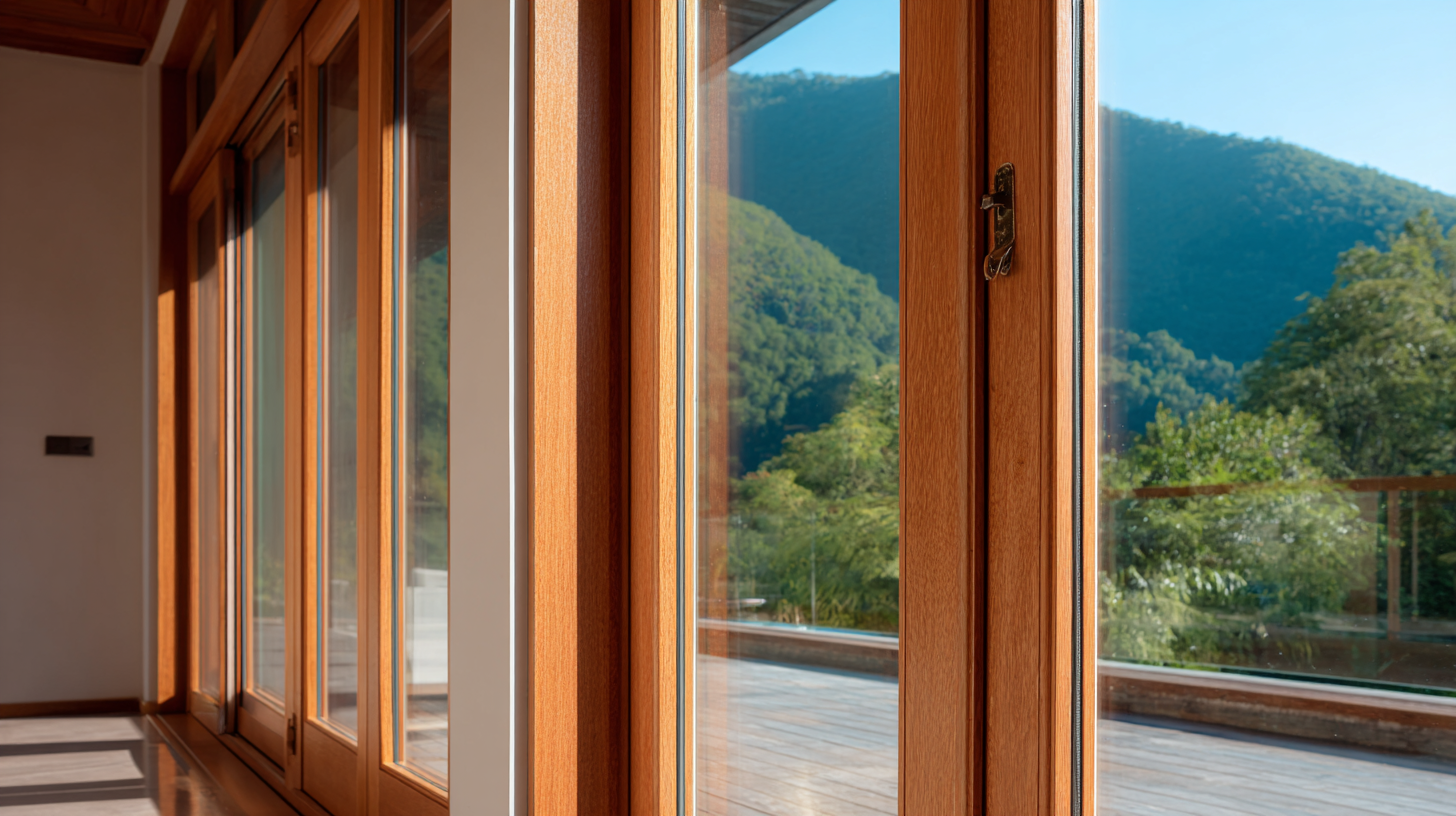
Implementing sustainable living doesn't have to break the bank. One effective strategy is to invest in energy-efficient windows, specifically Passivhaus windows, which are designed to minimize energy loss and enhance indoor comfort. These windows utilize advanced materials and design principles to create a thermal envelope that significantly reduces heating and cooling needs. By choosing Passivhaus windows, homeowners can lower their energy bills while also reducing their carbon footprint, making it a win-win solution for both the environment and personal finances.
Another cost-effective approach is to engage in DIY home improvements that focus on sustainability. Simple actions such as weatherstripping and caulking can prevent drafts, while installing reflective shades or thermal curtains can enhance heat retention in winter and reduce cooling needs in summer. Additionally, utilizing local materials and skilled labor can cut costs in renovations aimed at sustainability. By fostering a mindset of resourcefulness, individuals can adopt sustainable living practices that align with their budget, ensuring that eco-friendly choices are accessible to everyone.
Maximizing Natural Light While Maintaining Energy Efficiency
Maximizing natural light in Passivhaus designs is crucial for enhancing the indoor environment while simultaneously promoting energy efficiency. Passivhaus windows, characterized by their triple glazing and airtight construction, play an essential role in achieving this balance. By utilizing strategically placed, high-performance windows, homeowners can invite abundant daylight into their living spaces, reducing the reliance on artificial lighting. This not only results in lower energy consumption but also contributes to healthier and more vibrant interiors.
Moreover, the design of these windows often considers solar gain and shading, ensuring that while natural light floods the space, overheating is minimized. In a well-designed Passivhaus, the orientation and size of windows can harness the sun’s energy during winter months while protecting against excessive heat in summer. This dual focus on comfort and sustainability is what makes Passivhaus standards a leading choice for eco-conscious homeowners looking to create bright, inviting spaces without sacrificing energy efficiency. By embracing these principles, individuals can enjoy a more harmonious relationship with their environment, making sustainable living a practical and attractive option.