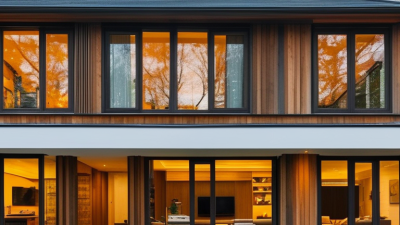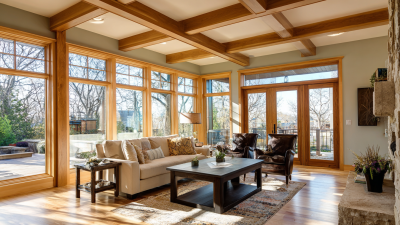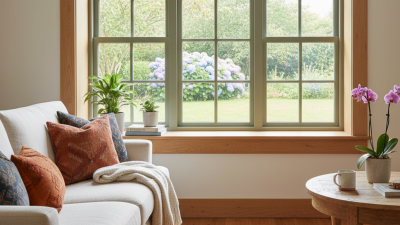
Timber Windows can bring warmth, character, and practical performance to a home. Their natural grain adds depth to a painted or stained façade, while well-designed frames can help reduce heat loss and soften outside noise. The right choice depends on more than appearance. Climate, exposure, glazing, installation, and maintenance all matter.
A responsible introduction should not invent an expert’s name or quotation. Without a verifiable source, attributing a statement to a timber-window specialist could mislead readers. The points that follow offer a grounded starting place: compare wood species and finishes, check how the frames are protected from rain, and ask about upkeep before choosing a style. A sheltered cottage window and an exposed coastal one may need very different care. That detail is easy to overlook.
Timber is not maintenance-free, and it may not suit every budget or setting. Still, for homeowners who value natural materials and repairable components, Timber Windows can be a considered, long-lasting option. The sections ahead explore their benefits, limitations, energy performance, and care requirements—so you can judge whether they fit your home, not just a showroom display.
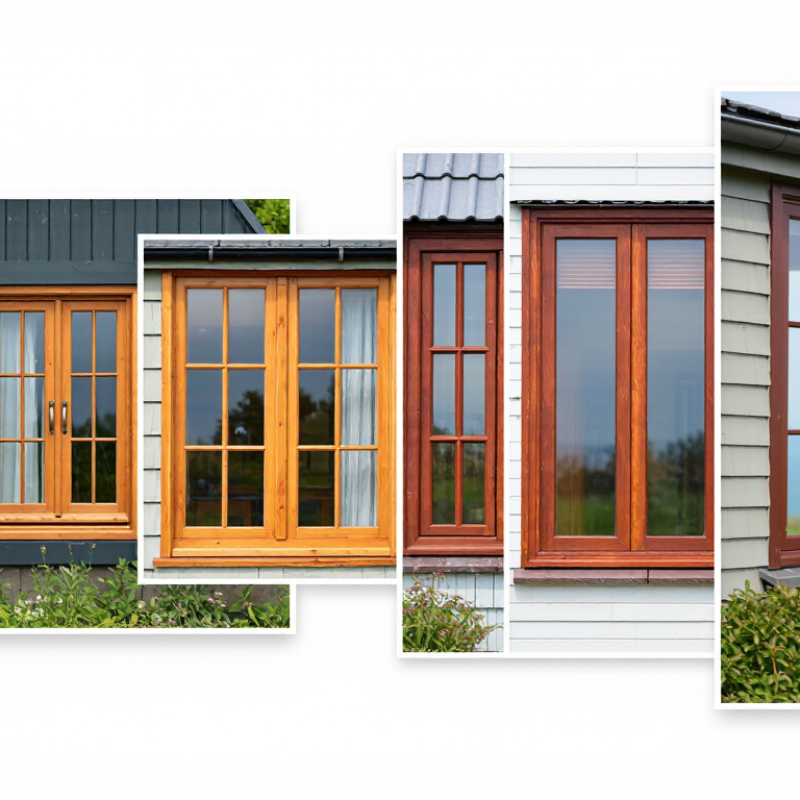
Timber windows are frames and sashes made from wood, shaped to hold glass and move smoothly within a wall opening. Common choices include softwood and hardwood, each with different grain, density, and maintenance needs. The right timber depends on the local climate, the building’s design, and how much upkeep the owner can manage. Wood feels warm to the touch. It also has natural variations, so two frames may not look exactly alike.
Manufacturing starts with carefully dried timber. Excess moisture can cause a frame to shrink, swell, or twist after installation. The wood is cut into sections, then joined to form the frame and opening sashes. Corners are often secured with strong mechanical joints, while grooves and rebates make room for glass, seals, and hardware. Small details matter. A poorly aligned joint can let in draughts or water.
Before glazing, manufacturers usually sand and coat the timber to help protect it from moisture and sunlight. Some windows use multiple coats, with extra attention around end grain and joints. Glass is then fitted and sealed, and the finished window is checked for fit and operation. The process is precise, but wood is still a natural material. Even well-made windows need periodic inspection, and paint or protective finishes may need attention sooner on exposed elevations.
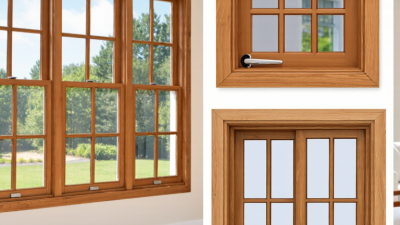
Timber window frames respond to changing weather rather than resisting it completely. Wood slows heat transfer, helping frames feel less cold indoors during winter. Still, performance depends on the timber, frame design, glazing, and installation. Details matter. A well-made frame can underperform if rainwater collects around its joints.
In wet conditions, wood may absorb moisture and swell, especially where paint has cracked or end grain is exposed. Look closely at lower corners, sill edges, and joints after heavy rain. A sloped sill and clear drainage paths help water escape. Repainting intervals vary with exposure, so a yearly visual check is more useful than relying on a fixed schedule. Coastal wind and strong sun can wear finishes faster.
In dry, hot weather, timber can lose moisture and shrink slightly. Small seasonal changes are normal; persistent drafts or sticking sashes deserve attention. Indoor condensation also depends on ventilation and glazing, not the frame alone. That distinction is easy to miss. Repairing damaged coatings early can limit moisture entry, but sealing every gap is not wise if it blocks designed drainage. Even carefully maintained timber needs occasional adjustment, and that is a real trade-off.
| Condition or Performance Factor | Typical Timber Frame Performance | What Affects the Result | Practical Consideration |
|---|---|---|---|
| Cold weather | Wood is a relatively poor conductor of heat compared with metals, so the frame itself can reduce heat transfer. | Frame design, glazing, weather seals, installation quality, and the condition of the finish. | Choose a complete window system designed for the local climate; the frame alone does not determine whole-window thermal performance. |
| Rain and damp conditions | Timber can perform well when it is properly designed, sealed, and maintained. Prolonged wetting can lead to swelling, coating failure, or decay. | Drainage details, exposed joints, wood species, finish condition, and how quickly the frame can dry. | Inspect coatings and joints periodically, and repair damaged paint or other protective finishes promptly. |
| Humid environments | Wood naturally absorbs and releases moisture, so its dimensions can change as humidity varies. | Moisture content, ventilation, construction details, and the quality of the protective finish. | Good detailing and suitable finishes help limit moisture movement; avoid trapping water around the frame. |
| Strong sunlight | Direct sunlight can weather exterior finishes and may cause gradual colour changes or surface degradation. | Exposure direction, local climate, finish type, and how well the finish is maintained. | Use an exterior-grade finish and follow its maintenance guidance, especially on highly exposed elevations. |
| Coastal or salty air | Timber does not corrode like metal, but salt, wind-driven rain, and strong sun can still wear finishes and fittings. | Exposure level, hardware material, drainage, and the durability of the exterior coating. | Select corrosion-resistant hardware and check exposed surfaces and fittings more frequently in severe locations. |
| Noise reduction | A timber frame can form part of an effective sound-reducing window, but the frame material alone does not determine acoustic performance. | Glazing type and thickness, gaps, seals, frame construction, and installation. | For noise-sensitive rooms, compare tested acoustic performance for the complete window assembly. |
| Routine upkeep | Timber frames generally need periodic inspection and finish maintenance to protect exposed surfaces. | Climate, sun and rain exposure, finish system, and installation details. | Check for cracked or peeling finishes, open joints, and standing water; maintenance frequency varies by exposure and product. |
| Repair and appearance | Timber can often be sanded, repaired, repainted, or restained, and its appearance can be changed with suitable finishes. | Extent of damage, access to sound wood, and compatibility of repair materials and coatings. | Address local damage early; extensive decay or structural damage may require professional assessment or replacement. |
| Important: These are general characteristics, not guaranteed ratings. Actual performance depends on the timber species, frame design, glazing, finishes, installation, maintenance, and local exposure. Use product-specific test data when comparing complete windows. | |||
Timber windows bring warmth that is hard to imitate. The grain remains visible, and painted or stained finishes can suit both traditional and modern homes. Wood is also a natural insulator, though actual performance depends on the frame design, glazing, seals, and installation. A well-fitted window can help reduce drafts and keep indoor temperatures steadier. On a cold morning, that difference may be noticeable beside the glass.
They can be repaired, too. If paint peels or a small area of wood becomes damaged, a skilled carpenter may be able to sand, fill, or replace the affected section instead of replacing the entire frame. That flexibility can extend a window’s useful life. It does require care. Timber needs periodic inspection and a suitable protective finish, especially where rainwater collects or sunlight is strong. Neglect is costly.
Another benefit is design freedom. Timber can be shaped for varied openings, divided lights, and detailed profiles that are difficult to achieve with some other materials. Sourcing matters: durable species and responsibly managed timber support a more considered choice. Ask about moisture protection, finish maintenance, and installation details before ordering. A beautiful frame is not automatically a reliable one. Proper upkeep takes time, and that part is easy to underestimate.
Timber windows add warmth that plastic and metal often struggle to match. Oak offers strong grain and a substantial feel. Accoya-style treated softwoods resist moisture well, although treatment quality matters more than the label. Pine is lighter, easier to shape, and usually more affordable.
I have found that local climate should guide the choice. In wet areas, stable timber and careful drainage are essential. In dry interiors, almost any well-maintained species can perform beautifully.
Style changes the room’s character.
Casement windows suit clean, modern elevations. Sash windows bring movement and period detail. Awning designs help protect rooms from light rain. Slim glazing bars can preserve an older appearance, but they may reduce the glass area.
Finishes need equal attention.
Paint creates a solid, adaptable colour. Clear oil highlights grain but demands regular renewal. A factory-applied coating often gives more even coverage than rushed site painting.
I once underestimated maintenance time. That mistake changed how I advise homeowners.
Tips:
Check the end grain, sill slope, drainage paths, and ventilation gaps before ordering. Request moisture readings and finish-care instructions from the installer. Choose colours beside the actual brickwork, not only on a screen. Recoat exposed south-facing frames sooner. Small defects are easier to repair early.
Timber windows bring natural warmth to a room, and their frames can be repaired rather than replaced when damage is limited. But wood responds to moisture and sunlight. Paint or stain helps protect it, yet exposed edges and joints may need attention sooner than sheltered surfaces. Check for peeling finish, soft patches, and water marks, especially after wet seasons.
Maintenance depends on the timber, finish, local weather, and installation quality. Inspect frames each year and keep drainage channels clear. Repainting may be needed every few years, though the interval varies. A north-facing window under a deep eave may age differently from one facing strong afternoon sun. Repairs also take time, and matching an old finish can be tricky. That is worth considering before choosing timber.
Tips: Wipe away standing water and keep nearby gutters clear. When repainting, prepare the surface carefully and use a finish suited to exterior wood. Ask an experienced installer about ventilation, expected upkeep, and repair options. Small checks matter. I might still miss a hidden leak, so investigate any persistent dampness rather than relying on fresh paint.