What is Wood Casement Windows Benefits Styles and Installation Guide
Wood Casement Windows have gained significant traction in the home improvement and construction industry, thanks to their unique blend of aesthetic appeal and functional benefits. According to the 2022 National Home Improvement Survey, over 60% of homeowners express a preference for windows that complement their home’s architectural style, with wood casement windows frequently topping the list due to their classic design and customization options. These windows not only enhance the visual aspect of a home but also provide energy efficiency, sound insulation, and increased ventilation, key factors for nearly 70% of homeowners when selecting window types.
Moreover, a recent report from the Window and Door Manufacturers Association indicates that wood windows, particularly casement styles, have seen a resurgence in popularity, with sales growth of 8% in the last year alone, driven by rising demands for sustainable and high-quality building materials. As more homeowners seek to elevate their living spaces while minimizing their carbon footprint, wood casement windows emerge as an optimal choice. This guide will delve into the benefits, styles, and installation processes of wood casement windows, helping homeowners make informed decisions that align with their aesthetic and functional desires.
Benefits of Wood Casement Windows: A Comprehensive Overview
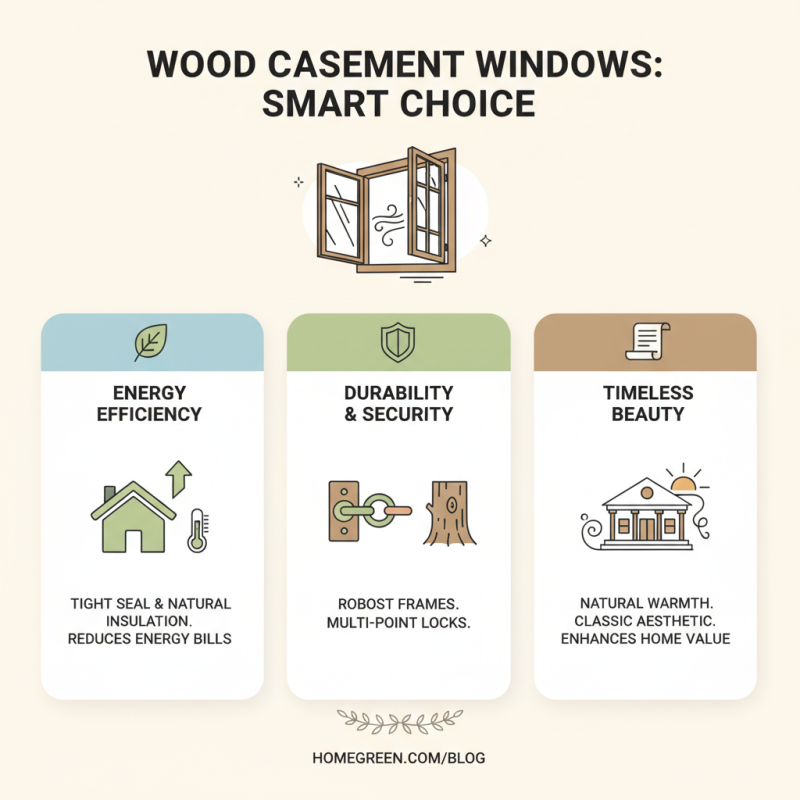
Wood casement windows are a stylish and functional choice for many homeowners. One of the most significant benefits of these windows is their energy efficiency. Made from natural wood, they provide excellent insulation, helping to keep your home warm in winter and cool in summer. Additionally, the tight seal created when casement windows are closed minimizes air leakage, which can lead to lower energy bills and a more comfortable indoor environment.
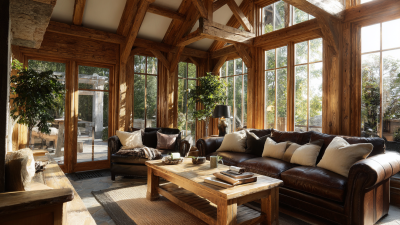
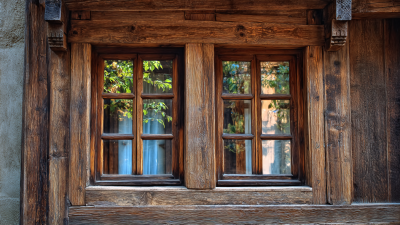
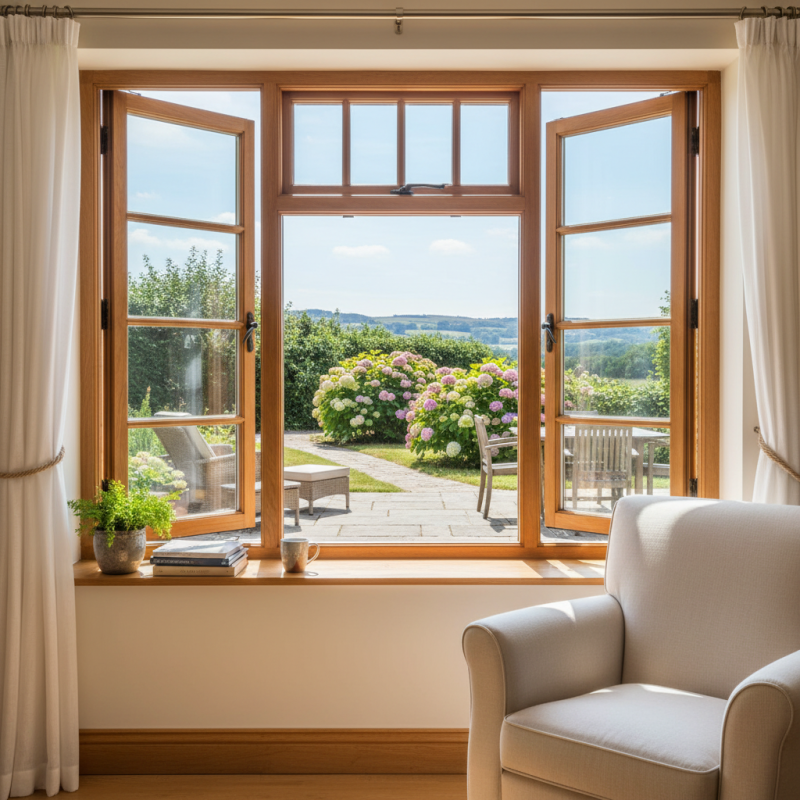
Another advantage of wood casement windows is their aesthetic appeal. They offer timeless beauty that can enhance the charm of any home, whether it's modern or traditional. Homeowners can choose from various wood species, finishes, and colors to match their home’s interior and exterior. Furthermore, the versatility of casement windows allows for unique designs and configurations, allowing you to maximize natural light and ventilation.
Tips: When selecting wood casement windows, consider the climate of your region to choose the best wood type that will withstand local weather conditions. Additionally, ensure proper installation by hiring professionals, as this will help maintain the integrity and performance of your windows over time. Regular maintenance, such as staining and sealing, will also prolong the life and beauty of your wood casement windows.
Popular Styles of Wood Casement Windows for Modern Homes
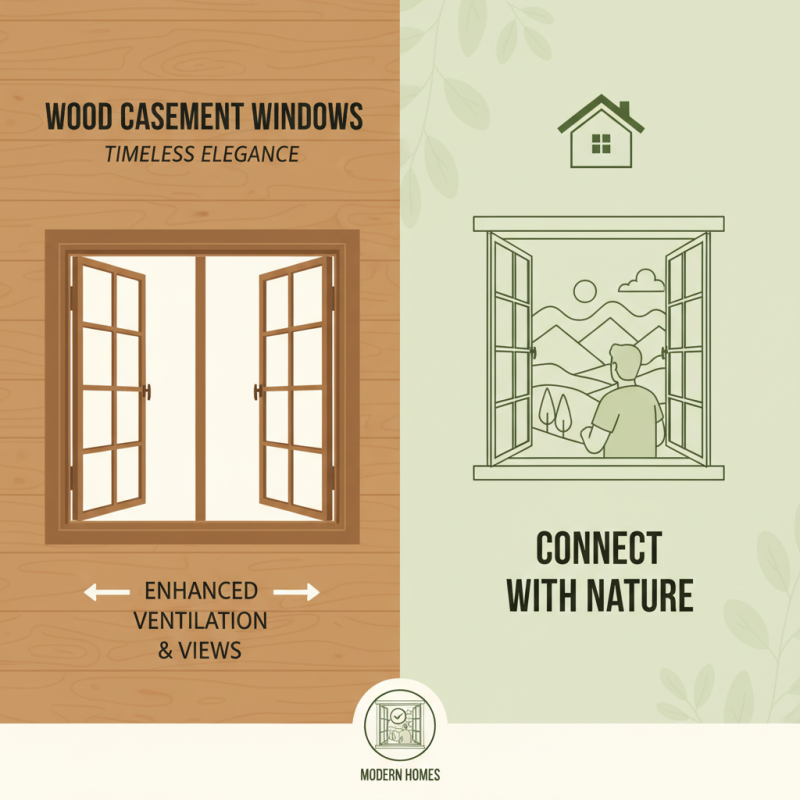
Wood casement windows are a timeless choice for modern homes, offering both aesthetic appeal and functional benefits. One popular style is the traditional double-hung casement window, which features two sashes that can be opened simultaneously. This design not only enhances ventilation but also allows for an unobstructed view of the outdoors, making it a favorite among homeowners seeking to connect their interiors with nature.
Another contemporary option is the picture casement window, which provides a sleek, streamlined look. These windows are fixed in place and designed to maximize light entry while offering stunning views. Additionally, styles like bi-fold or lift-and-slide casement windows are gaining popularity for their versatility and modern flair. They can seamlessly blend indoor and outdoor spaces, making them ideal for homes with patios or decks. Each of these styles showcases the beauty of wood while meeting the demands of modern design, offering homeowners a range of options to enhance their living spaces.
Step-by-Step Installation Guide for Wood Casement Windows
Wood casement windows not only enhance the aesthetic appeal of a home but also offer remarkable energy efficiency. The step-by-step installation of these windows is crucial to reaping their full benefits, both in performance and longevity. According to the Window & Door Manufacturers Association, properly installed windows can reduce energy loss by up to 30%, significantly lowering heating and cooling costs. This makes an effective installation guide invaluable for homeowners.
The installation of wood casement windows involves several key steps, starting with precise measurements and preparation of the opening. Ensure that the frame is level, square, and adequately insulated to prevent air leaks. As reported by the Department of Energy, homes with well-insulated windows can save an average of 15% on energy bills. Once the window is positioned and secured, weather stripping is applied to further enhance its insulation properties. Following these steps meticulously not only guarantees the window operates smoothly but also maximizes its durability and performance over time.
What is Wood Casement Windows Benefits Styles and Installation Guide
| Aspect |
Details |
| Benefits |
Energy efficiency, aesthetic appeal, natural light, ventilation |
| Styles |
Traditional, modern, customized designs |
| Materials |
Wood species (e.g., pine, oak, cedar), finishes (stains, paints) |
| Installation Steps |
Measure opening, prepare window frame, install hinges, mount window, seal and finish |
| Maintenance Tips |
Regular cleaning, check for weather stripping, repaint or stain as needed |
| Cost Considerations |
Material costs, installation fees, long-term energy savings |
Maintenance Tips for Prolonging the Life of Wood Casement Windows
To ensure the longevity of wood casement windows, regular maintenance is essential. One of the primary steps involves inspecting the window frames for signs of wear, such as cracks or rot, which can allow moisture to seep in and cause damage. Applying a protective sealant or paint every few years can help safeguard the wood from the elements, enhancing both its durability and appearance. Additionally, keeping the window tracks clean and free of debris will facilitate smooth operation and prevent unnecessary wear on the mechanisms.
Another important aspect of maintenance is the care of the hardware. Lubricating the hinges and locks with a silicone spray or equivalent can reduce friction and enhance the overall performance of the windows. Regularly checking the weatherstripping around the windows can also prevent air leaks, improving energy efficiency. By addressing these small issues promptly, homeowners can avoid larger, costlier repairs down the line, ensuring their wood casement windows remain both functional and aesthetically pleasing for many years.
Benefits of Wood Casement Windows
Comparing Wood Casement Windows to Other Window Types
Wood casement windows offer distinct advantages over other window types, making them a popular choice for homeowners. One of their main benefits is their excellent energy efficiency. When properly fitted, the casement design creates a tight seal that minimizes air leakage, helping to keep indoor temperatures stable and reducing energy bills. Additionally, wood as a material provides natural insulation, adding to their thermal efficiency. This inherent warmth and aesthetic appeal often give wood casement windows a timeless charm that enhances the overall look of a home.
In comparison to double-hung or sliding windows, wood casement windows allow for better ventilation. They can be fully opened from the side, which lets in more fresh air and improves airflow throughout the space. Another notable difference is the ease of operation. Casement windows are typically opened with a crank mechanism, providing a smoother experience and enabling larger openings. While they require regular maintenance to preserve the wood and prevent potential rot, the durability and classic style of wood casement windows often outweigh these concerns for many homeowners seeking a balance of functionality and beauty in their window choices.