Choosing among the 10 best Residential Windows means looking beyond frame color and showroom displays. A window changes how a room feels on a cold morning, how sunlight falls across a floor, and how much heating or cooling a home needs. The U.S. Department of Energy estimates that heat gain and heat loss through windows account for 25%–30% of residential heating and cooling energy use. That figure makes performance worth checking, not guessing.
John Carmody, a longtime residential-window researcher and co-author of Residential Windows: A Guide to New Technologies and Energy Performance, offers a useful principle, paraphrased here: “Match window performance to the home, climate, and people who use it.” It is not a verbatim quotation. The National Fenestration Rating Council (NFRC) provides tested ratings, including U-factor and solar heat gain coefficient, that help compare products on consistent terms. ENERGY STAR also identifies certified products designed to meet energy-efficiency criteria.
A good ranking should weigh those ratings alongside durability, ventilation, maintenance, installation quality, and price. A low U-factor may matter greatly in a cold climate; solar heat gain can be equally important in a sunny one. Details matter. A beautiful window can still disappoint if it leaks air or suits the wrong exposure. No list can replace a site-specific assessment, and that limitation deserves saying plainly. The options ahead are a practical starting point—not a universal verdict.
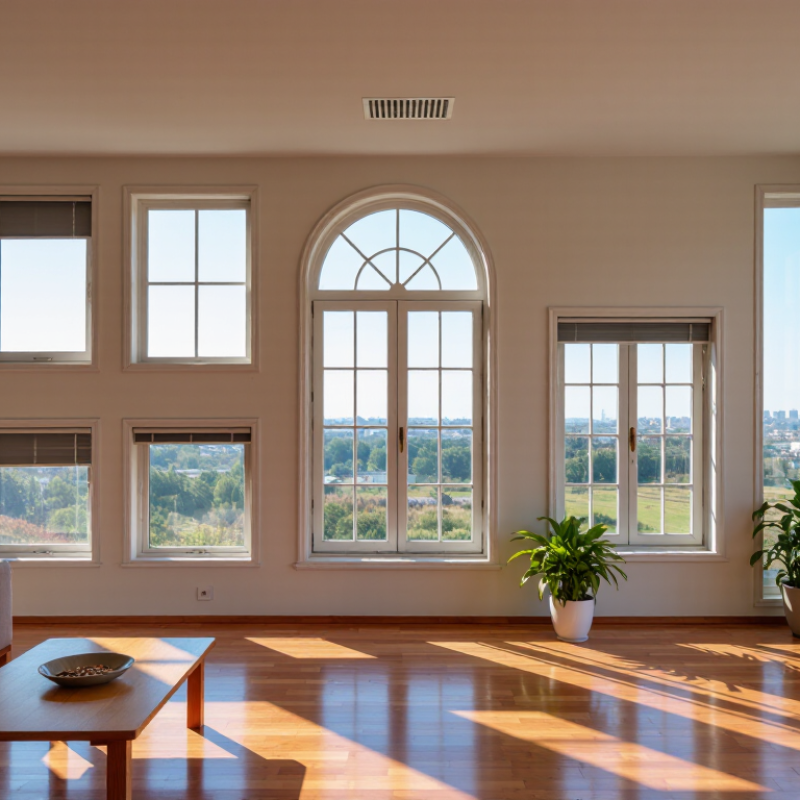
Residential window quality is not judged by appearance alone. A useful evaluation considers heat transfer, drafts, moisture, noise, and repeated use. Check published ratings for air leakage, water resistance, and thermal performance, comparing products tested under the same standards. The figures matter, but context matters too. A low U-factor can indicate less heat transfer, while solar heat gain should suit the climate and window direction. Small details matter.
Inspect frame corners, seals, drainage paths, and hardware for gaps or rough finishes. Open and close the window several times; it should move smoothly and latch securely. Look at glazing options and ask how they affect insulation, daylight, and condensation risk. Then consider installation: even a well-rated unit may leak air if it is poorly fitted or sealed. Ask a qualified installer how the opening will be measured and flashed, and review the written warranty for clear limits. Ratings cannot predict every room’s comfort. A sunny bedroom and a shaded kitchen may need different performance priorities. Even careful comparisons leave some uncertainty, since actual results depend on the house and its upkeep.
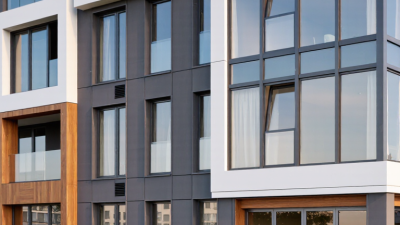
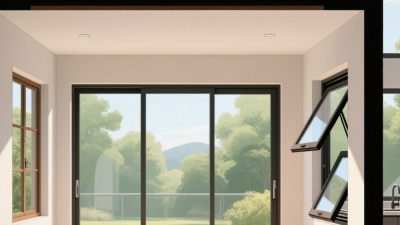
Residential windows perform differently depending on room, climate, and priorities. Double-hung windows suit bedrooms because both sashes open for ventilation and tilt inward for cleaning. Casement windows crank outward and seal tightly, making them useful where breezes matter. Awning windows can stay open during light rain. Sliding windows save space beside patios, though their tracks need regular cleaning. Picture windows bring in broad daylight, but they do not open.
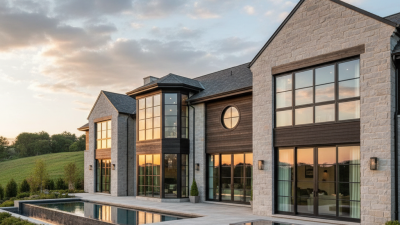
Bay windows project outward, adding a deep sill for plants or a reading seat. Bow windows create a gentler curve, but require more wall space and careful installation. Fixed windows are efficient choices for bright areas that need no ventilation. Skylights add overhead light to dim rooms, yet placement and flashing deserve close attention to prevent leaks. Storm windows can improve comfort in older homes, depending on the existing frames. No option wins everywhere. A beautiful window can still feel wrong if it blocks a walkway or is difficult to operate.
Tips: Match the window to the room’s actual use. Check glass ratings, frame condition, and local climate before choosing. Ask an experienced installer to inspect the opening; small measurement errors can cause drafts. And be honest about maintenance. A window you rarely clean may not be your best choice.
A useful shortlist of ten residential window styles includes double-hung, single-hung, casement, awning, sliding, fixed, picture, bay, bow, and tilt-turn. Their performance depends on more than style. The U.S. Department of Energy’s Energy Saver guidance estimates that windows account for about 25–30% of household heating and cooling energy use.
Frame materials affect heat transfer and upkeep. Vinyl needs little maintenance, while wood offers natural insulation but needs protection from moisture. Fiberglass resists dimensional changes; aluminum is durable, though unbroken metal frames can conduct heat readily. Look for thermal breaks in metal frames. Small details matter. The National Fenestration Rating Council’s labels provide standardized U-factor and solar heat gain coefficient (SHGC) ratings. Lower U-factor limits heat flow; SHGC helps indicate how much solar heat enters.
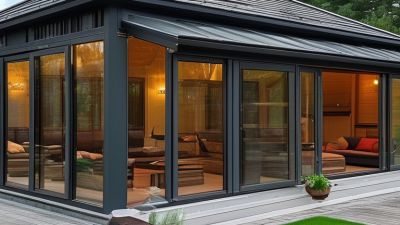
Style affects sealing, too. Casement and awning windows often close firmly against their frames, while sliding designs rely on tracks that need clean, sound seals. Fixed windows usually avoid operable-joint leakage, but cannot provide ventilation. In cold regions, prioritize low U-factor; in sunny, hot climates, consider lower SHGC. Installation still matters: gaps around a well-rated frame can waste energy. I would not call one style universally best; climate, maintenance, and how a room is used can change the answer.
| Window Type | Frame Material | Efficiency Potential | Durability and Maintenance | Best Fit | Main Trade-Off |
|---|---|---|---|---|---|
| Fiberglass casement | Fiberglass | High potential; compression seals and insulated glass can limit air leakage and heat transfer. | Resists moisture and temperature-related expansion; generally needs little upkeep. | Homes prioritizing a tight seal and long service life. | Often costs more than basic vinyl options. |
| Vinyl double-hung | Vinyl (PVC) | Good potential with insulated frames, low-emissivity glass, and quality weatherstripping. | Does not require painting and resists moisture; quality and rigidity vary by design. | A practical choice for many replacement projects and traditional openings. | Sliding sash seals can allow more air leakage than well-fitted casement seals. |
| Fixed picture | Vinyl, fiberglass, wood, or aluminum-clad wood | Very high potential because the sash does not open and has fewer air-leak paths. | Few operating parts to wear; frame upkeep depends on material. | Bright rooms, views, and locations where ventilation is not needed. | Cannot be opened for ventilation or routine interior access to the exterior glass. |
| Wood double-hung | Wood | Good potential when paired with modern insulated glazing and well-maintained seals. | Wood provides natural insulation but needs sound paint or finish to protect it from moisture. | Traditional homes and projects where interior wood appearance matters. | More upkeep is typically required than with vinyl or fiberglass frames. |
| Aluminum-clad wood casement | Wood interior with exterior aluminum cladding | Good to high potential with insulated glass and a thermally improved frame design. | Exterior cladding helps shield wood from weather; the interior finish still needs care. | Homeowners seeking a wood interior with reduced exterior painting needs. | Usually more costly; aluminum can conduct heat unless the frame includes a thermal break. |
| Composite casement | Composite materials, such as wood-fiber and polymer blends | Potentially high; performance depends on frame construction, glazing, and air-seal quality. | Often designed for dimensional stability and reduced moisture-related maintenance. | Projects seeking a balance of appearance, insulation, and lower upkeep. | Material formulations and performance differ, so compare tested specifications. |
| Thermally broken aluminum awning | Aluminum with a thermal break | Moderate to good potential when the thermal break and insulated glazing are effective. | Strong, slim frame; awning sash closes against a compression seal. Check hardware and finish over time. | Ventilation during light rain and contemporary designs with narrow sightlines. | A non-thermally-broken aluminum frame can transfer heat readily. |
| Vinyl sliding | Vinyl (PVC) | Good potential with insulated glass; weatherstripping and meeting-rail design are important. | Low-maintenance frame; tracks and rollers need occasional cleaning and inspection. | Wide openings where an inward- or outward-swinging sash would be inconvenient. | Sliding seals may not compress as tightly as casement seals; only part of the opening may ventilate. |
| Wood awning | Wood, sometimes with exterior cladding | Good potential when closed and properly sealed; insulated glass improves thermal performance. | Wood insulates naturally but needs a maintained protective finish, especially in wet locations. | Bathrooms, kitchens, or other spaces needing controlled ventilation. | The sash can be harder to clean from outside on upper floors. |
| Bay or bow assembly | Commonly vinyl, wood, or aluminum-clad wood | Varies by the individual window units and assembly; careful air sealing and installation are essential. | Durability depends on frame material, support, flashing, and protection from water intrusion. | Creating a projecting window area and a broader view. | More complex and costly to install; the projection needs proper structural support and weatherproofing. |
Comparison note: Actual energy performance depends on the complete window, including glazing, coatings, gas fill, spacers, frame design, installation, and climate. A lower U-factor indicates less heat transfer; the preferred solar heat gain coefficient (SHGC) depends on local climate, orientation, and shading.
The best residential window depends less on a universal ranking than on where it will go. In cold regions, well-sealed double-hung, casement, or fixed windows can help limit drafts; check the product’s energy ratings for your climate. In hot, sunny rooms, low solar heat gain can reduce afternoon overheating. Ratings matter.
Match the style to the room, too. Casement windows open wide for cross-breezes, while awning windows can admit air during light rain. Sliding windows suit wide openings, and picture windows bring in daylight but do not open. Double-hung and single-hung designs are familiar choices for bedrooms and living areas. Bay and bow windows add space, but their larger openings may cost more to install. Hopper windows can work well in compact spaces such as basements.
Budget for the whole job, not just the window unit. Frame material, glass options, opening style, and installation conditions all affect the final price. Replacing a window in an older home may reveal water damage or an uneven frame; allow room in the budget for repairs. A high-rated window can still perform poorly if it is installed badly. Compare ratings suited to your local climate, then ask installers to explain how they will seal and flash each opening. I would not choose solely by the lowest quote. Check the details.
Match window performance to your climate, home, and budget. In colder regions, prioritize insulation; in warmer regions, limit unwanted solar heat.
ENERGY STAR Version 7.0 sets different maximum U-factors for each U.S. climate region. A lower U-factor means better insulation. In the North-Central region, the maximum solar heat gain coefficient (SHGC) is 0.40; in the South-Central and Southern regions, it is 0.23. Consider frame material, glazing, installation quality, and upfront cost alongside these climate targets.
Before choosing among the 10 best residential windows, consider the room, climate, and wall opening—not just the style. South- and west-facing rooms may need different solar control than shaded bedrooms. Compare published energy ratings, including U-factor and solar heat gain, for your local conditions. Lower numbers are not automatically better for every climate. Check the frame material, glass layers, locking points, and whether screens are included. Small details matter. Open and close a sample if possible; stiff hardware can become tiresome quickly.
Accurate measurements are essential, especially in older homes where openings may be uneven. Measure width and height in several places, and have the installer confirm the final dimensions before ordering. Ask how the installation will manage flashing, insulation, and drainage around the frame. A good window can still leak if the surrounding work is careless. Check the written quote for removal, disposal, interior trim, and repair costs. Clarify warranty coverage for both the product and the installation, since they may differ. Check local permit or building requirements before work begins. One thing buyers often miss: curtains and nearby furniture can limit how a window opens. It is worth checking the room layout twice.