Choosing the right windows can change how a home feels, performs, and ages. In 2026, homeowners are looking beyond attractive frames and showroom promises. They want quieter bedrooms, steadier indoor temperatures, lower energy bills, and dependable operation through changing weather.
Building-science expert Dr. Joseph Lstiburek has said, “Windows are the weak link in the building envelope.” That warning deserves attention. A beautiful window can still underperform if it has poor installation, unsuitable glass, or weak flashing around the frame. The details matter.
This guide examines the 10 Best Windows for Homes in 2026 through a practical lens. It considers frame materials, glazing, air leakage, solar heat gain, maintenance, security, warranty support, and regional climate. A triple-pane window may suit a cold northern bedroom, while a carefully selected low-solar-gain window may work better in a bright southern living room.
There is no perfect window.
Even premium products have trade-offs. Some reduce outside noise but cost more. Others offer excellent insulation yet require thicker frames. Installation quality can also defeat impressive laboratory ratings. That part is easy to underestimate.
The recommendations ahead combine manufacturer data, building-performance principles, and everyday homeowner concerns. We will look closely at corners, seals, hardware, condensation, and the morning sun across a floor. Those small details often reveal more than a glossy brochure.
Use this list as a starting point, not a final verdict. Local climate, wall construction, orientation, and installer experience should shape the final decision. Windows For Homes should be selected for the building, not chosen by appearance alone.
10 Best Windows for Homes in 2026?
What Defines the Best Home Windows in 2026
The best home windows in 2026 will fit the climate, wall design, and daily habits. U.S. Department of Energy data indicates that windows can cause 25–30% of residential heating and cooling energy use. That makes glass selection more important than decorative style. Look for a low U-factor in cold regions. Choose a suitable solar heat gain coefficient in hot, sunny areas. The wrong combination can create glare, overheating, or winter discomfort.
Performance ratings also deserve careful attention. The National Fenestration Rating Council evaluates U-factor, solar heat gain coefficient, visible transmittance, and air leakage. These numbers show how a window performs, not how attractive it looks in a showroom. Low-emissivity coatings, insulated glazing, and warm-edge spacers can improve comfort near the glass. However, better specifications usually increase cost. That trade-off needs honest calculation.
Installation remains the overlooked detail. The U.S. Department of Energy warns that gaps around frames can reduce expected efficiency and create moisture problems. A window can have excellent laboratory ratings and still perform poorly on a windy wall. I have found that homeowners often focus on glass, then ignore flashing and drainage. That is a mistake worth admitting. The best choice should also consider sound control, repair access, condensation risk, and expected service life. A perfect window does not exist. A well-matched window does.
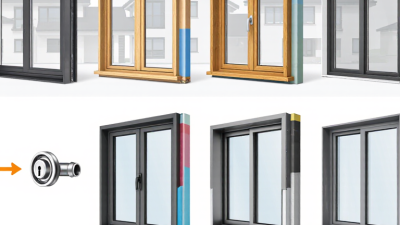
The ten leading window types for modern homes reflect different needs, not one universal winner. Casement windows provide broad ventilation and tight compression seals. Double-hung and single-hung windows suit traditional façades and easy cleaning. Sliding windows open horizontally, saving space near furniture. Awning windows ventilate during light rain. Picture windows bring daylight but do not open.
Bay and bow windows create deeper interior views and useful seating areas. Hopper windows work well in basements because they open inward from the top. Specialty windows fit unusual walls, rooflines, or dramatic architectural shapes. These choices affect comfort, daylight, ventilation, and maintenance more than appearance alone.
The U.S. Department of Energy reports that windows can cause 25–30% of residential heating and cooling energy use. That figure makes glass selection important.
The National Fenestration Rating Council recommends comparing U-factor, solar heat gain coefficient, air leakage, and visible transmittance. Lower U-factor generally improves insulation, while suitable solar control depends on climate and orientation.
In practical inspections, a beautifully sized window can still perform poorly when installed with gaps or weak flashing. This is often overlooked. I would question any “best window” list that ignores wall exposure, local weather, and cleaning access. An experienced installer should verify ratings, drainage paths, and installation details before ordering.
Choosing among the 10 best windows for homes in 2026 requires more than counting panes. Energy efficiency depends on U-factor, solar heat gain coefficient, air leakage, and installation quality. Lower U-factor means better insulation. Lower air leakage usually means fewer cold drafts around the frame.
The U.S. Department of Energy reports that heat gain and loss through windows can account for up to 30% of a home’s heating and cooling energy use. ENERGY STAR’s 2023 market data also indicates that certified windows can reduce household energy bills by about 12% compared with non-certified products. However, those savings vary with climate, glass direction, shading, and workmanship. A perfectly rated window can perform poorly when foam gaps remain beside the frame.
Durability requires closer inspection. The National Fenestration Rating Council label provides tested ratings, while independent laboratory testing evaluates air, water, and structural performance. Look for reinforced frames, corrosion-resistant hardware, stable seals, and warranties with clear installation limits. In coastal areas, salt exposure deserves special attention. In cold regions, condensation resistance matters more than impressive marketing language.
Not every premium specification pays back.
I would compare whole-window performance, not glass alone. A 2024 field review may reveal that installation errors still undermine otherwise strong products. That finding is uncomfortable, but useful. Homeowners should request test reports, examine drainage paths, and inspect corner joints before choosing. A lower price may be reasonable, yet repeated seal failure can erase the original savings.
| Rank | Window Type | Typical Frame and Glass Construction | Typical U-Factor (Lower Is Better) |
Typical SHGC (Climate Dependent) |
Air Leakage | Expected Service Life | Maintenance | Energy Efficiency | Durability | Best Application |
|---|---|---|---|---|---|---|---|---|---|---|
| 1 | Fiberglass Casement with Triple Low-E Glass | Fiberglass frame; three panes; low-emissivity coatings; argon or krypton gas; warm-edge spacers | 0.18–0.25 Btu/h·ft²·°F | 0.25–0.45 | ≤ 0.10 cfm/ft² when certified |
40–60 years | Low; clean frames and lubricate hardware periodically | Excellent | Excellent | Cold climates, high-performance new construction, and long-term ownership |
| 2 | Composite Casement with Triple Low-E Glass | Engineered composite frame; three panes; low-E coatings; inert-gas fill; insulated spacer system | 0.18–0.26 Btu/h·ft²·°F | 0.25–0.45 | ≤ 0.10 cfm/ft² when certified |
30–50 years | Low; occasional cleaning and hardware inspection | Excellent | Excellent | Homes requiring strong thermal performance with limited maintenance |
| 3 | Vinyl Tilt-and-Turn with Triple Low-E Glass | Multi-chamber vinyl frame; three panes; low-E coatings; argon gas; insulated spacer | 0.20–0.28 Btu/h·ft²·°F | 0.25–0.45 | ≤ 0.10 cfm/ft² when certified |
25–40 years | Very low; clean and inspect seals and hardware | Excellent | Very Good | Cold and mixed climates where insulation and airtightness are priorities |
| 4 | Fiberglass Awning with Double Low-E Glass | Fiberglass frame; two panes; low-E coating; argon gas; compression seal | 0.25–0.32 Btu/h·ft²·°F | 0.27–0.50 | ≤ 0.10 cfm/ft² when certified |
40–60 years | Low; inspect hinges, seals, and exterior finish | Very Good | Excellent | Rain-prone areas, bathrooms, basements, and ventilation openings |
| 5 | Wood-Clad Double-Hung with Double Low-E Glass | Wood interior; factory-finished protective exterior cladding; two panes; low-E coating; argon gas | 0.27–0.34 Btu/h·ft²·°F | 0.25–0.50 | 0.10–0.20 cfm/ft² | 30–60 years with proper care | Moderate; inspect cladding, paint, sealants, and drainage | Very Good | Very Good | Traditional homes, historic-style designs, and interiors requiring natural wood |
| 6 | Vinyl Casement with Double Low-E Glass | Multi-chamber vinyl frame; two panes; low-E coating; argon gas; insulated spacer | 0.27–0.35 Btu/h·ft²·°F | 0.25–0.50 | ≤ 0.10 cfm/ft² when certified |
25–40 years | Very low; clean frames and maintain operating hardware | Very Good | Very Good | Cost-conscious replacements in mixed and warm climates |
| 7 | Wood Double-Hung with Double Low-E Glass | Solid or engineered wood frame; two panes; low-E coating; argon gas; painted or stained finish | 0.28–0.36 Btu/h·ft²·°F | 0.25–0.50 | 0.10–0.20 cfm/ft² | 30–60 years with regular maintenance | Moderate to high; repainting and moisture inspections are required | Very Good | Very Good | Dry climates, period homes, and projects prioritizing natural materials |
| 8 | Thermally Broken Aluminum Casement with Double Low-E Glass | Aluminum frame with insulating thermal barrier; two panes; low-E coating; argon gas | 0.30–0.40 Btu/h·ft²·°F | 0.25–0.55 | ≤ 0.20 cfm/ft² when certified |
30–50 years | Low; clean tracks, seals, and drainage paths | Good | Excellent | Modern architecture, large openings, coastal exposure, and high-wind areas |
| 9 | Vinyl Single-Hung with Double Low-E Glass | Vinyl frame; two panes; low-E coating; argon gas; fixed upper sash and operable lower sash | 0.30–0.38 Btu/h·ft²·°F | 0.25–0.55 | 0.10–0.20 cfm/ft² | 25–40 years | Very low; basic cleaning and seal inspection | Good | Very Good | Affordable replacement projects and moderate-climate homes |
| 10 | Thermally Improved Aluminum Fixed Window with Double Low-E Glass | Thermally improved aluminum frame; two panes; low-E coating; argon gas; non-operable design | 0.30–0.42 Btu/h·ft²·°F | 0.25–0.60 | Very low because the sash is fixed | 30–50 years | Low; clean glass, frame, and drainage channels | Good | Excellent | Large view windows, sunrooms, commercial-style homes, and high-wind locations |
Choosing Windows for Different Home Styles and Climate Conditions
The best window depends on your home’s design, weather, and daily habits. A traditional house may suit divided panes, timber-look frames, and narrow sightlines. Modern homes often benefit from large, low-E glazed panels. However, appearance should never outweigh performance. Check the window’s U-factor, solar heat gain coefficient, and air leakage rating before choosing.
Cold climates need insulated frames and double or triple glazing. These features reduce heat loss beside chilly floors and morning condensation. Hot regions often require low solar heat gain, exterior shading, and glass suited to intense sunlight. In humid areas, good ventilation matters as much as glazing. Otherwise, warm indoor air can leave moisture on the frame.
Coastal homes need corrosion-resistant hardware and strong installation methods. Windy regions may require impact-rated assemblies and professional structural checks. A historic home deserves careful measurement, because oversized replacements can damage its character. For a farmhouse, casement windows can improve airflow across several rooms. Sliding windows may work better where outdoor space is limited.
Do not ignore orientation. South- or west-facing glass can overheat rooms in summer. North-facing windows usually provide softer, steadier daylight. I once assumed thicker glass solved every comfort problem. It did not. Poor sealing, weak shading, or incorrect installation can undermine expensive glazing. Ask a qualified window professional to review local climate data, wall construction, and moisture risks before ordering.
10 Best Windows for Homes in 2026?
Window performance depends on installation, not only glass. The U.S. Department of Energy reports that windows can account for 25% to 30% of residential heating and cooling energy use. Low-emissivity glass, insulated frames, and tight weather seals can reduce drafts. However, a poorly fitted window can waste those upgrades. Measure the rough opening carefully, check the sill for moisture damage, and seal gaps with compatible materials. Small errors become expensive air leaks.
Installation costs vary by opening size, wall condition, labor rates, and disposal needs. The 2024 Cost vs. Value Report estimated that vinyl window replacement recovered about 67% of its cost at resale. That figure is not a promise. Local housing demand matters more than a national average. Ask for a written quote covering flashing, interior trim, permits, cleanup, and warranty service. Cheap installation often becomes costly after one wet winter.
Maintenance should be simple, but it still needs attention. Clean tracks twice yearly, inspect caulk each spring, and test locks before cold weather. Condensation between panes signals failed insulating glass, not ordinary dirt. The National Fenestration Rating Council recommends comparing certified performance ratings, including U-factor and solar heat gain coefficient. Energy savings also depend on curtains, ventilation, shading, and occupant habits. Windows are long-term equipment. They are not maintenance-free.
Estimated U.S. residential replacement-window costs per standard window, including professional installation. The 20-year maintenance estimate covers typical cleaning, lubrication, repainting, seal replacement, and minor hardware service.
Lower ownership cost generally indicates stronger long-term value, while higher service life can reduce replacement frequency. Actual prices vary by size, glass specification, local labor rates, climate, and installation conditions.