2026 Best Aluminum Clad Sunroom Types and Costs
Planning a sunroom in 2026 often begins with one practical question: which structure fits your home, climate, and budget? An Aluminum Clad Sunroom combines a durable exterior with a warmer, more refined interior finish. This combination can suit coastal homes, modern extensions, and older properties needing careful visual integration.
Several designs deserve attention. Three-season rooms usually cost less because they use lighter insulation and simpler glazing. Four-season rooms require stronger thermal performance, insulated roofs, and efficient heating or cooling. Lean-to, gable, and custom-engineered layouts also affect labor, drainage, and foundation requirements. A narrow lean-to may fit beside a kitchen, while a gable design can create a brighter ceiling and more open feel.
Costs vary widely.
In 2026, material selection is only one part of the estimate. Site access, permits, foundation work, electrical upgrades, window performance, and regional labor rates can change the final figure. A contractor may quote an attractive base price, then exclude flooring, HVAC connections, or interior finishing. That detail matters.
Based on industry estimating practices and homeowner project comparisons, this guide examines common Aluminum Clad Sunroom types, realistic cost factors, installation concerns, and long-term maintenance. Prices should be confirmed with local professionals because market conditions shift quickly. I have also included practical cautions, since even a well-designed room can feel uncomfortable when shading or ventilation is overlooked. Some recommendations are not universal. That is worth admitting. A successful sunroom balances appearance, energy performance, structural safety, and everyday use—not just the lowest initial quote.
What Is an Aluminum-Clad Sunroom?
What Is an Aluminum-Clad Sunroom?
An aluminum-clad sunroom combines a warm interior frame with a protective aluminum exterior. The inner structure is commonly wood or engineered material. Aluminum shields it from rain, sunlight, insects, and seasonal temperature changes. This layered design offers a more comfortable interior than an all-metal room. It also needs less exterior painting than exposed wood.
In practice, aluminum-clad sunrooms come in three common forms.
A three-season room suits spring, summer, and autumn use. A four-season room includes insulated walls, efficient glazing, heating, and stronger weather sealing. A conservatory-style room uses more glass and creates a brighter, warmer appearance. Costs vary widely. In 2026, many projects may range from 25,000 to 90,000 US dollars, depending on size, foundation work, windows, roofing, and local labor.
Details matter.
A thermal break in the aluminum reduces heat transfer through the frame. Low-emissivity glass can limit winter heat loss and summer glare. Proper flashing around the roof and walls prevents hidden moisture damage. Do not assume aluminum cladding makes a sunroom maintenance-free. Seals can fail, drainage can clog, and wood beneath the cladding still needs protection. A poorly installed room may feel cold near the windows, even with attractive finishes. Reviewing insulation values, drainage plans, warranties, and contractor experience can prevent expensive corrections later.
Which Types of Aluminum-Clad Sunrooms Are Available in 2026?
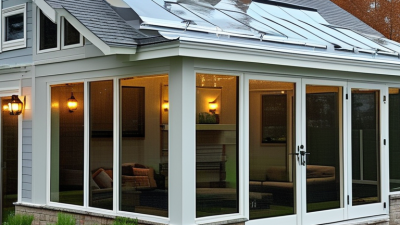
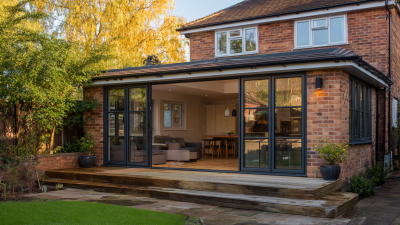
In 2026, aluminum-clad sunrooms come in several practical forms. The lean-to design has a single sloping roof and suits homes with limited garden space. Its simple geometry usually reduces framing complexity and installation time. A gable sunroom creates a higher central ceiling, allowing warm air to rise above seating areas. It also brings stronger architectural character to older or larger houses.
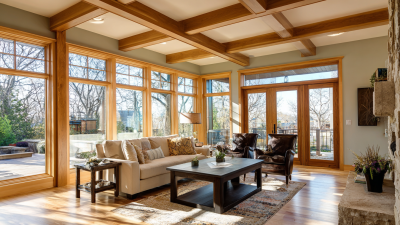
A conservatory-style sunroom uses broad glass panels and a pitched roof for maximum daylight. It can feel bright in winter, but summer heat requires shading and careful ventilation. A three-season room generally uses lighter insulation and may cost less than a four-season room. Four-season designs need insulated frames, suitable glazing, sealed flooring, and dependable heating or cooling. Screened aluminum-clad rooms offer fresh air and insect protection, although they provide limited cold-weather comfort.
In practical projects, the exterior aluminum layer protects the structure from rain, ultraviolet exposure, and repeated repainting. The interior may use timber, composite panels, or another finished material, so specifications deserve close checking. Installed costs in 2026 often range from about $25,000 to $90,000, depending on size, glazing, foundation work, and local labor. These figures are only planning ranges. Site drainage, roof connections, and electrical upgrades can change the estimate quickly. I have seen attractive proposals miss these details. A qualified designer or installer should confirm structural loads, insulation values, ventilation, and required approvals before construction.
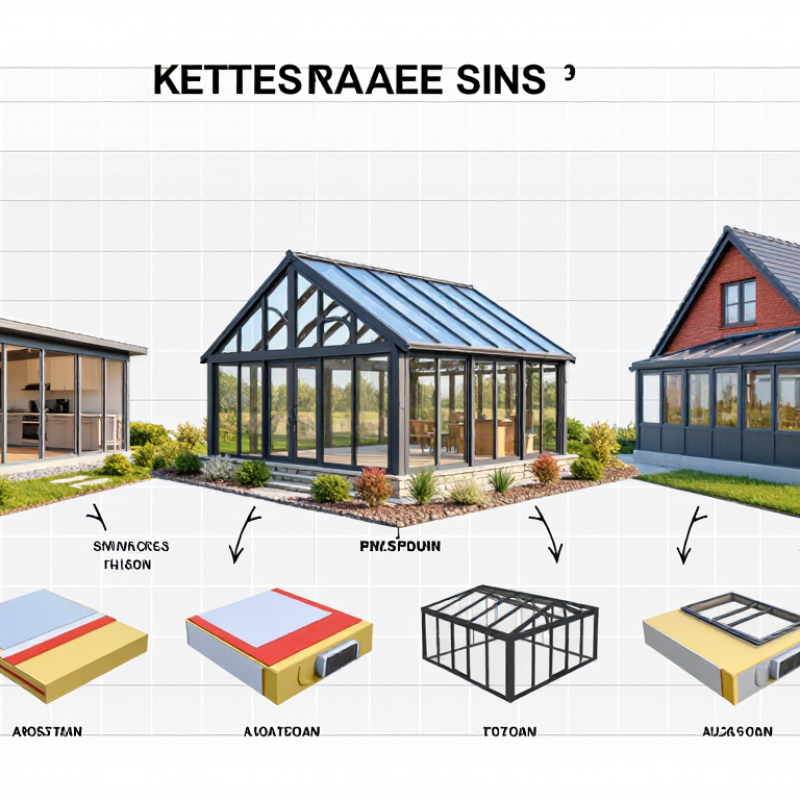
2026 Best Aluminum-Clad Sunroom Types and Costs
Typical installed costs for common aluminum-clad sunroom configurations in the United States. Actual prices vary by size, foundation, glazing, insulation, roof design, permits, and site conditions.
Cost guide: Three-season rooms generally offer the lowest entry cost, while insulated four-season rooms, solariums, and fully customized aluminum-clad designs require higher-performance glazing, roofing, heating, cooling, and structural work.
What Factors Affect Aluminum-Clad Sunroom Costs?
Aluminum-clad sunroom costs in 2026 depend on more than square footage. A basic three-season room may cost $20,000 to $45,000 in many U.S. markets. A heated four-season room can exceed $80,000. Local labor rates and permit requirements create major differences.
The roof design is a major cost factor. A simple shed roof needs fewer structural parts than a vaulted glass roof. Insulated aluminum panels usually cost less than large, low-emissivity glass units. Window size matters too. Oversized sliding panels require stronger framing and careful installation. Thermal breaks improve comfort, but they add material costs.
Foundation work can change the estimate quickly. A room on an existing slab may need limited preparation. Sloped ground could require excavation, drainage, or deeper footings. Electrical circuits, heating, cooling, lighting, and interior flooring also increase the budget. On-site experience shows that access is often overlooked. Narrow gates may require manual material handling. That raises labor time.
Finish choices matter. Powder-coated frames, insect screens, shades, and custom colors can add noticeable amounts. Maintenance should also influence the decision. Aluminum resists rot, but seals and moving hardware still need inspection. I would keep a 10% to 20% contingency for concealed repairs or design changes. Estimates are not perfect. A detailed site review remains more reliable than an online calculator.
How Much Does Each Sunroom Type Cost?
In 2026, aluminum-clad sunroom prices commonly range from $150 to $450 per square foot. A basic three-season room costs about $20,000 to $45,000. It usually has aluminum framing, screened windows, and limited insulation. This option suits mild climates and occasional use. Heating and cooling may be uncomfortable during extreme weather.
A four-season aluminum-clad sunroom often costs $35,000 to $80,000. Insulated glass, thermal breaks, stronger roofing, and finished flooring raise the price. A 200-square-foot room may cost $40,000 before complex foundation work. Solarium-style designs can reach $90,000 or more. Their large glass areas require careful engineering, shading, and ventilation.
Site conditions change the estimate quickly. Existing patios can reduce excavation costs, but they may lack proper drainage. Electrical upgrades, heating, permits, and interior finishes can add $5,000 to $20,000. Request itemized quotes from qualified local contractors. Check insulation ratings and water-management details, not just the frame price. I have found that homeowners often underestimate labor and foundation preparation. That mistake is expensive. A simpler layout may provide better value than dramatic glass walls. Rates also vary by region, season, and access to the construction site.
How to Choose the Best Aluminum-Clad Sunroom for Your Home?
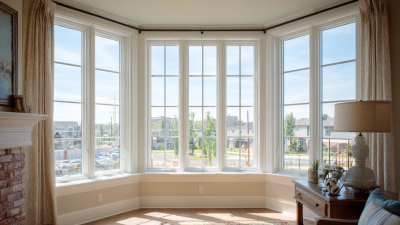
Choosing the best aluminum-clad sunroom starts with how your family will use it. A three-season room may suit morning coffee and garden views. A four-season room needs insulated glass, thermal breaks, and a properly sealed roof. Fixed panels provide clearer views, while operable windows improve airflow on mild afternoons. Think about glare, summer heat, furniture placement, and winter comfort before comparing prices.
Material quality matters. Look for corrosion-resistant aluminum, durable finishes, and tight drainage paths around every frame. Ask how the wall system handles condensation. Poor detailing can leave water marks beneath the sill after heavy rain. Insulated glass usually costs more, but it can reduce temperature swings and outside noise. A qualified installer should explain frame depth, roof insulation, ventilation, and maintenance access in plain language.
In 2026, aluminum-clad sunrooms commonly cost about $25,000 to $75,000, depending on size, glazing, foundation work, and interior finishes. Custom roofs and large openings can push costs higher. Request an itemized estimate, not one rounded figure. Confirm whether permits, electrical work, flooring, and site preparation are included. One practical mistake is choosing the lowest quote too quickly. I would compare drainage details and warranty terms before judging the final price. A beautiful room can still feel uncomfortable if its glass faces intense afternoon sun. Consider exterior shading, interior blinds, and future cleaning access while the design is still flexible.