2026 Top Wood Window Types for Global Buyers
Choosing Wood Windows in 2026 means balancing appearance, performance, and practical upkeep. Global buyers can compare casement, sash, tilt-and-turn, awning, and fixed designs, but the best choice depends on the building and its climate. A wide casement can bring fresh air into a coastal home. A fixed picture window can frame a garden while limiting drafts. Details matter.
This guide introduces common wood window types and explains how their opening styles affect ventilation, cleaning, security, and everyday use. It also considers timber species, frame construction, glazing, finishes, and installation quality. These details can influence durability as much as the window’s style. In humid regions, moisture control deserves close attention. In colder areas, glazing and careful sealing may matter more. Local building requirements and weather conditions vary, so buyers should confirm project specifications with qualified suppliers or installers.
A product photograph cannot show how a frame will perform after years of sun, rain, or seasonal movement. Ask for clear information about timber origin, coatings, maintenance intervals, and warranty terms. Compare specifications, not just showroom samples. No single answer. Some buyers may prefer the warmth and repairability of timber, while others may find its maintenance demanding. That trade-off is real. The sections ahead offer a practical framework for narrowing options without assuming one window type suits every home, budget, or region.
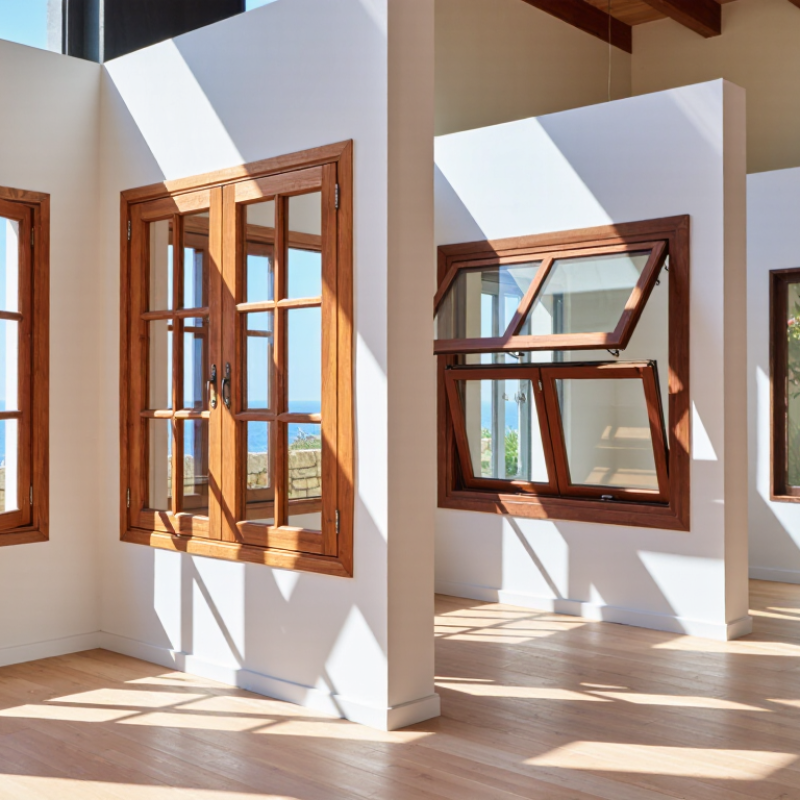
Wood Window Types in 2026: Frame, Sash, and Opening Basics
Wood windows are easier to compare when buyers separate three choices: frame, sash, and opening style.
The frame sits within the wall and must suit the building’s exposure, insulation needs, and installation details. A well-made frame can still underperform if water collects at a sill or the surrounding joint is poorly sealed. Ask how the wood is protected, where drainage occurs, and what maintenance the finish needs. Small details matter.
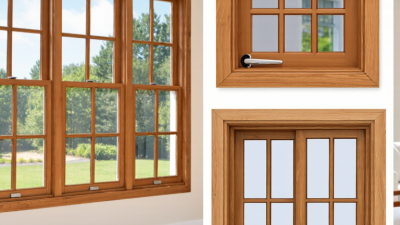
The sash holds the glass and may be fixed, hinged, or designed to slide. Hinged casement sashes open wide for ventilation, while sliding sashes can suit rooms with limited clearance. In double-hung designs, both sections may move, but their balance and weather seals deserve close inspection.
Opening style affects airflow, cleaning access, furniture placement, and hardware—not just appearance. A specification can look tidy on paper and still overlook how a window will be used every day. Compare sample drawings with the actual wall opening, and confirm who checks measurements before production. Wood responds to moisture and temperature, so performance depends on material preparation, glazing, installation, and upkeep together.
Compare Casement, Awning, Tilt-and-Turn, Sash, and Fixed Designs
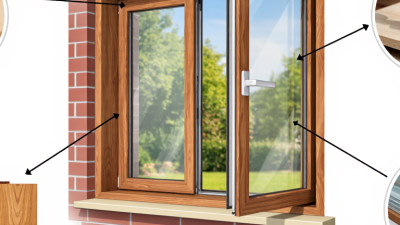
Casement windows hinge at the side and open outward, giving a wide path for fresh air. Their sash presses against the frame when closed, which can support a firm seal if the hardware and installation are well matched. Awning windows hinge at the top. They can admit air during light rain, though wind-driven rain may still enter. Both designs need space outside for the sash and any nearby screens.
Tilt-and-turn windows offer two opening positions: a tilted gap for controlled ventilation and a wider inward swing for access. Their hardware is more involved, so precise fitting and adjustment matter. Sash windows slide vertically, making them useful where an outward-opening sash would obstruct a walkway. Check that counterbalances move smoothly; a sticking sash is more than a small annoyance. Clear trade-offs.
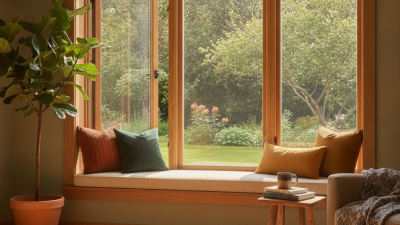
Fixed windows do not open, but they can frame a garden view and bring daylight into a room. They are often simpler to seal, though they cannot provide ventilation. Wood brings visible grain and a warm interior finish, but exposed frames need suitable coatings and regular inspection, especially around lower corners and joints. I would not rank one type for every climate. It is easy to focus on appearance and overlook opening clearance, maintenance access, or local performance needs. Compare tested air, water, and thermal data for the complete window assembly, not just the wood frame.
Read Energy Ratings: NFRC Reports U-Factor and Solar Heat Gain Coefficient
2026 Top Wood Window Types for Global Buyers
NFRC reports two useful figures on certified window labels: U-factor and Solar Heat Gain Coefficient (SHGC).
U-factor measures heat transfer through the complete window; a lower number generally means less heat escapes indoors. SHGC, expressed from 0 to 1, estimates how much solar heat passes through the glass. Lower SHGC can help limit summer overheating, while higher SHGC may suit cold, sunny locations. Check the whole-window rating, not just the glass or wood frame. Small numbers matter.
The U.S. Department of Energy’s Energy Saver guidance estimates that heat gain and loss through windows account for about 25–30% of residential heating and cooling energy use. That makes ratings practical, not merely technical. A buyer comparing wood windows for a shaded northern home may favor a different SHGC than someone choosing windows for a hot, sun-exposed room. Compare the same rating units and consider orientation, glazing, and local climate. Still, ratings are not the whole story. Installation gaps, air leakage, and exterior shading affect real performance, but the figures do not describe every building condition. I find that limitation easy to overlook when comparing neat rows of product data.
Verify Air Leakage: EN 12207 Defines Four Performance Classes
For wood windows, air leakage is more than a laboratory number. A sash that whistles on a windy evening can make a room feel colder, even when the glass is performing well. EN 12207 groups window air permeability into four classes, with Class 1 representing the lowest performance and Class 4 the highest. Testing is conducted under EN 1026, using controlled pressure differences to measure air passing through the closed window.
Check the test report, not only the class printed on a product sheet. Ask which window size, opening style, and configuration were tested; results for one sample may not represent every unit. Class 4 can be a sensible target for exposed sites, but the best choice depends on building design, installation quality, and ventilation needs. Airtightness is not the same as overall thermal performance. Small details matter: a compressed gasket, a slightly misaligned sash, or a rough frame joint can change what occupants feel.
That sounds tidy. Real sites are less tidy. A high laboratory class cannot compensate for a poorly sealed installation, and an overly airtight room still needs planned ventilation. Compare test evidence with the project’s wind exposure and intended use, then confirm that installers can maintain consistent clearances and seals. It is worth asking how the window was tested before relying on a simple “Class 4” label.
2026 Top Wood Window Types for Global Buyers — Verify Air Leakage
EN 12207 defines four air permeability classes. The chart shows the maximum area-based air permeability for each class at a reference pressure of 100 Pa.
How to read it: Lower air permeability indicates a tighter window. Class 4 has the strictest limit. EN 12207 classification also considers air leakage per opening-joint length and performance at other test pressures; actual performance depends on the tested window assembly.