What Are the Benefits of Passivhaus Windows for Buyers?
Passivhaus Windows offer significant advantages for buyers looking to enhance energy efficiency in their homes. According to the Passive House Institute, buildings utilizing these windows can achieve energy savings of up to 90% compared to conventional designs. This statistic emphasizes the potential for substantial reduction in heating and cooling costs over time.
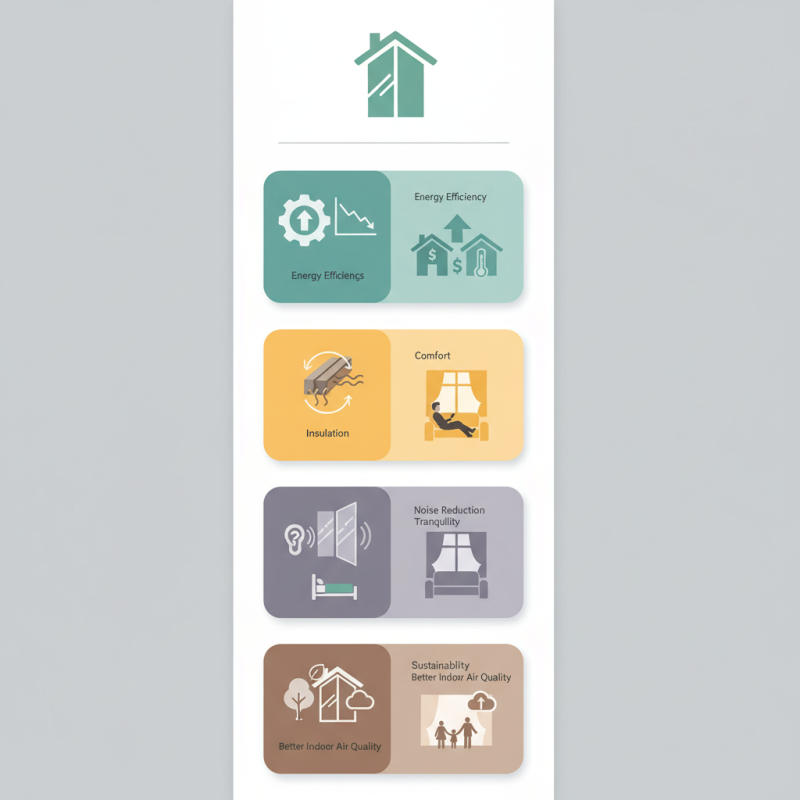
These windows are engineered to provide exceptional insulation. Many homeowners report decreased energy bills and increased comfort due to better temperature regulation. The use of triple glazing and advanced framing also enhances noise reduction, making living spaces more tranquil. However, the initial investment can be higher than standard windows, leading some buyers to hesitate.
Passivhaus Windows represent a long-term investment in sustainability and comfort. While the upfront cost may prompt difficult decisions, the benefits can outweigh the drawbacks. Investing in such a high-efficiency option ultimately contributes to lower carbon footprints and better indoor air quality. These factors make Passivhaus Windows a compelling choice for environmentally conscious buyers.
Overview of Passivhaus Windows and Their Unique Features
Passivhaus windows are distinguished by their exceptional energy efficiency. These windows significantly reduce heat loss. Studies show that homes using Passivhaus windows consume up to 90% less energy for heating compared to traditional windows. This unique design utilizes triple glazing and advanced insulation. Materials used in manufacturing prioritize sustainability, which appeals to eco-conscious buyers.
Another significant feature is the airtight construction. This minimizes drafts and enhances indoor air quality. A study by the Passive House Institute indicates that buildings with Passivhaus specifications show a dramatic decrease in energy consumption, lowering utility bills. However, the initial investment can be higher than conventional options, and this may deter potential buyers.
Moreover, while Passivhaus windows offer outstanding performance, they require careful installation. Even minor mistakes can lead to significant energy inefficiencies. Homeowners must select skilled professionals to ensure optimal installation. This aspect can challenge buyers looking for cost-effective solutions. All these characteristics demonstrate a commitment to energy efficiency, yet they also introduce complexities that warrant reflection.
Benefits of Passivhaus Windows for Buyers
Energy Efficiency: How Passivhaus Windows Reduce Energy Costs
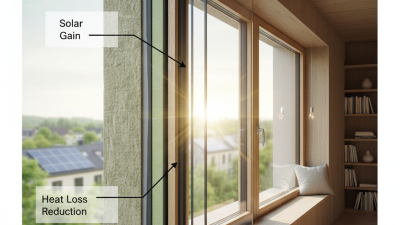
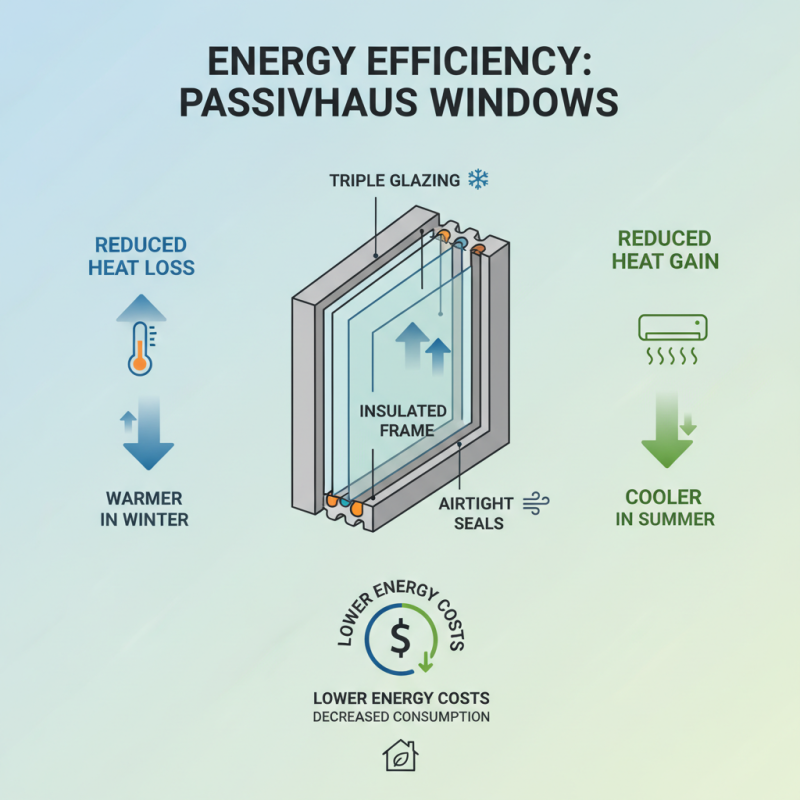
Passivhaus windows are designed to enhance energy efficiency significantly. These windows utilize advanced insulation and airtight seals. Their unique design minimizes heat loss, making homes warmer in winter and cooler in summer. Homeowners benefit from reduced energy consumption, leading to lower heating and cooling costs.
The energy savings can be substantial over time. In fact, many homeowners report savings of up to 50% on energy bills. This efficiency reduces reliance on heating systems, which is a crucial factor in today’s energy-sensitive environment. It not only lowers costs but also contributes to a smaller carbon footprint.
However, there can be a learning curve. Proper installation of these windows is essential to reap the full benefits. A poorly installed window may lead to drafts, which can negate energy savings. Buyers should be aware of this potential pitfall. Ensuring that a qualified professional handles the installation can mitigate risks. It’s important to consider both the benefits and the challenges. Keeping these factors in mind can lead to informed, sustainable decisions.
Improving Indoor Air Quality with Passivhaus Windows
Passivhaus windows are designed to enhance indoor air quality significantly. They are built to minimize air leaks, providing a tightly sealed environment. This prevents outdoor pollutants from entering the home, promoting a healthier living space. Improved air quality can reduce allergens, helping allergy sufferers and creating a more comfortable atmosphere.
To boost the benefits of Passivhaus windows, consider regular maintenance. Dust and debris can accumulate, potentially affecting indoor air quality. Clean the frames and seals to ensure optimal performance. Additionally, check for any air leaks periodically. Small gaps can develop over time, negating the windows' benefits.
Also, consider using natural ventilation alongside Passivhaus windows. Even with superior insulation, fresh air is essential. Open the windows when weather permits to refresh the indoor environment. While energy efficiency is a priority, don’t overlook the importance of circulating fresh air. The balance of insulation and ventilation can enhance comfort levels and air quality.
Long-term Durability and Maintenance Benefits of Passivhaus Windows
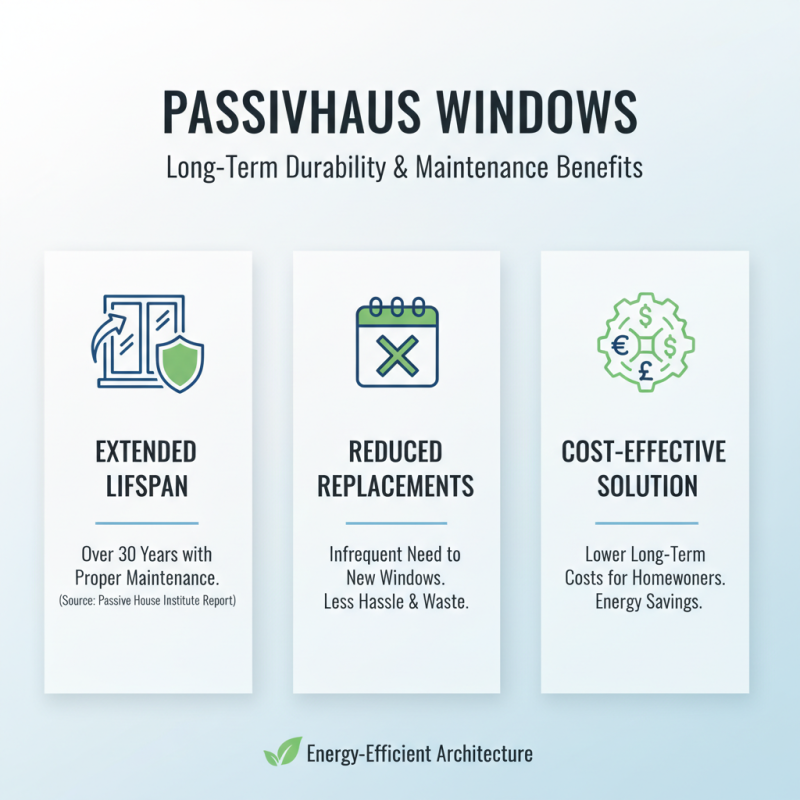
Passivhaus windows represent a significant advancement in energy-efficient architecture. Their design focuses on airtightness and thermal insulation, leading to impressive long-term durability. According to a report from the Passive House Institute, such windows can last over 30 years when maintained properly. This longevity significantly reduces the frequency of replacements, providing a cost-effective solution for homeowners.
Regular maintenance is essential, yet it is surprisingly minimal with Passivhaus windows. Their high performance materials resist weathering, preventing issues like rot or corrosion. One study indicated that buildings utilizing these windows experience up to 90% less air leakage. This means less time spent on upkeep, allowing homeowners to focus on other aspects of their property. However, some may find that initial installation costs are higher, raising questions about immediate affordability.
Yet, the long-term benefits overshadow upfront expenses. The potential savings on energy bills can be remarkable. A well-insulated window can reduce heating and cooling costs by up to 80%. Homeowners might need to adjust their budget for the initial investment, but the rewards become evident over time. Reflecting on these benefits reveals a sound investment choice that balances durability and maintenance efficiency.
Enhancing Property Value: The Financial Advantages for Buyers
Investing in Passivhaus windows can significantly enhance property value for buyers. These windows are designed to maximize energy efficiency. They minimize heat loss, which can lead to lower heating costs. This financial sustainability is appealing for potential buyers. When a home offers better energy performance, it stands out in the market.
Homes with Passivhaus windows often qualify for energy efficiency incentives. These incentives can reduce initial costs. Buyers appreciate the long-term savings on utilities. However, it’s essential to consider the upfront investment. Not all may have the budget for these high-performance options. Some buyers may hesitate, thinking of immediate expenses over long-term gains.
Durability is another critical factor. Passivhaus windows are built to last. They require less maintenance compared to standard windows. Buyers may overlook this benefit. Ultimately, educated buyers understand the value of these features and what they bring. The enhanced property value can be a significant draw. Yet, making such decisions requires careful consideration of personal finances and long-term goals.