In a world increasingly focused on energy efficiency and sustainability, "Passivhaus Windows" stand out as a revolutionary choice for global buyers. Renowned expert Dr. Ana Müller, a leading authority in sustainable building practices, emphasizes, “Choosing the right windows can significantly improve a building's energy performance.” This statement highlights the essential role that Passivhaus Windows play in minimizing energy loss and maximizing indoor comfort.
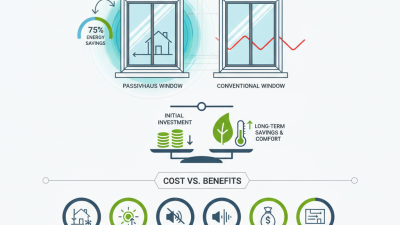
The design and engineering of Passivhaus Windows prioritize thermal performance and airtightness. Many buyers might not realize that these windows reduce heating costs by up to 90%. They're not just functional; they can enhance the aesthetic appeal of any building. Buyers looking for sustainable solutions will find Passivhaus Windows invaluable due to their long-term energy savings and environmental benefits.
However, it's important to recognize that investing in Passivhaus Windows can be a significant upfront cost. This perceived barrier may cause hesitation for some. Yet, the long-term benefits often outweigh this initial expenditure. As more buyers educate themselves, the shift towards energy-efficient structures becomes increasingly apparent.
Passivhaus windows are a crucial element of the Passivhaus standard, which focuses on energy efficiency. These windows are designed with high performance in mind. They typically feature triple glazing and advanced airtight frames. This design minimizes heat loss and improves thermal comfort.
Choosing Passivhaus windows can significantly reduce energy bills. However, it's essential to consider your local climate. Not every window suited for one region is optimal for another. Understanding specific weather patterns helps ensure you make informed choices.
Tip: When selecting windows, seek professional advice. Experts can provide insights tailored to your needs. Evaluate your home's unique characteristics for the best fit.
Additionally, proper installation plays a vital role. Even the best windows can underperform if not installed correctly. Reach out to skilled installers familiar with Passivhaus principles. This step helps maximize energy savings and comfort.
Tip: Pay attention to materials used in window frames. Some may offer better insulation than others. Research options to find the right balance for your home.
| Benefit | Description | Impact on Sustainability | Energy Efficiency Rating |
|---|---|---|---|
| Enhanced Insulation | Passivhaus windows utilize superior insulation materials which significantly reduce heat loss. | Lower carbon footprint due to reduced energy consumption. | U-value as low as 0.85 W/m²K |
| Improved Comfort | Consistent indoor temperatures are maintained throughout the year. | Enhances living quality while minimizing heating and cooling needs. | Achieves optimal thermal comfort levels. |
| Noise Reduction | High-quality frames and triple glazing minimize external noise. | Contributes to a quieter, more peaceful environment. | Sound reduction up to 40 dB. |
| Sustainable Materials | Use of eco-friendly materials is common in Passivhaus construction. | Supports sustainable building practices. | Material efficiency rating varies by supplier. |
| Long-Term Durability | Built to withstand extreme weather conditions and last longer than standard windows. | Reduces waste from replacements. | Lifespan of up to 50 years. |
| Condensation Control | Enhances air quality by preventing moisture buildup. | Promotes healthier indoor environments. | Mitigates mold-related issues. |
| Increased Property Value | Higher energy efficiency ratings can enhance real estate value. | Appeals to eco-conscious buyers. | Demand increasing in energy-efficient markets. |
| Customizable Design | Available in various styles and finishes to match aesthetic preferences. | Supports unique architectural designs. | Design flexibility factor depends on manufacturer. |
| Tax Incentives | Eligibility for government rebates and incentives for energy-efficient upgrades. | Encourages investment in energy-efficient building technologies. | Incentives vary by region. |
| Low Maintenance | Designed for minimal maintenance over their lifespan. | Saves resources and effort on upkeep. | Maintenance frequency reduced to once every few years. |
Passivhaus windows are revolutionary in promoting energy efficiency. These windows are designed to minimize energy consumption in buildings. Studies indicate that Passivhaus windows can reduce heating requirements by up to 90%. This remarkable figure is largely due to their exceptional insulation properties and airtight construction. The standard U-value for Passivhaus windows is 0.8 W/m2K or lower, making them significantly more efficient than regular windows.
Energy costs continue to rise globally. Residential buildings often account for 30-40% of total energy use. By incorporating Passivhaus windows, homeowners can experience substantial savings on energy bills. According to the Passive House Institute, a typical home can save around £1,200 annually on heating and cooling expenses. Such savings are not only economically beneficial but also reduce carbon footprints significantly, fostering a greener environment.
Despite these advantages, some challenges remain. Installing Passivhaus windows requires expert knowledge and precision. Inaccurate installations can negate potential benefits. Homeowners must choose qualified professionals to ensure proper fit and functionality. Awareness of these nuances is crucial for maximizing performance. The energy-efficient performance of Passivhaus windows, while promising, must be matched by the skill of installation for optimal results.
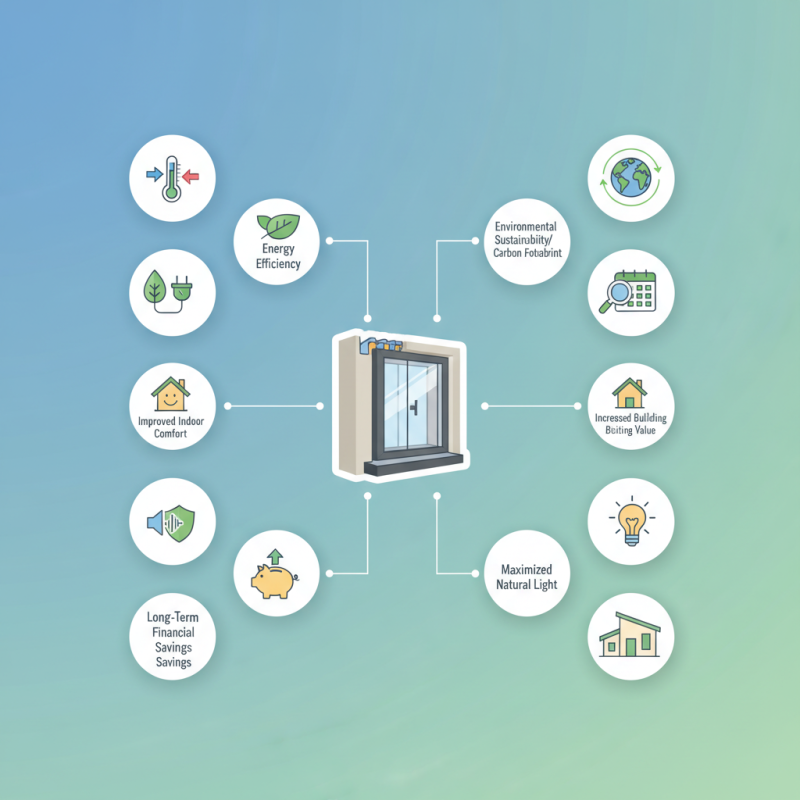
Passivhaus windows offer numerous benefits that make them an appealing choice for global buyers. The chart above illustrates a rating of the top ten advantages, emphasizing their energy efficiency, comfort, and eco-friendliness, among others.
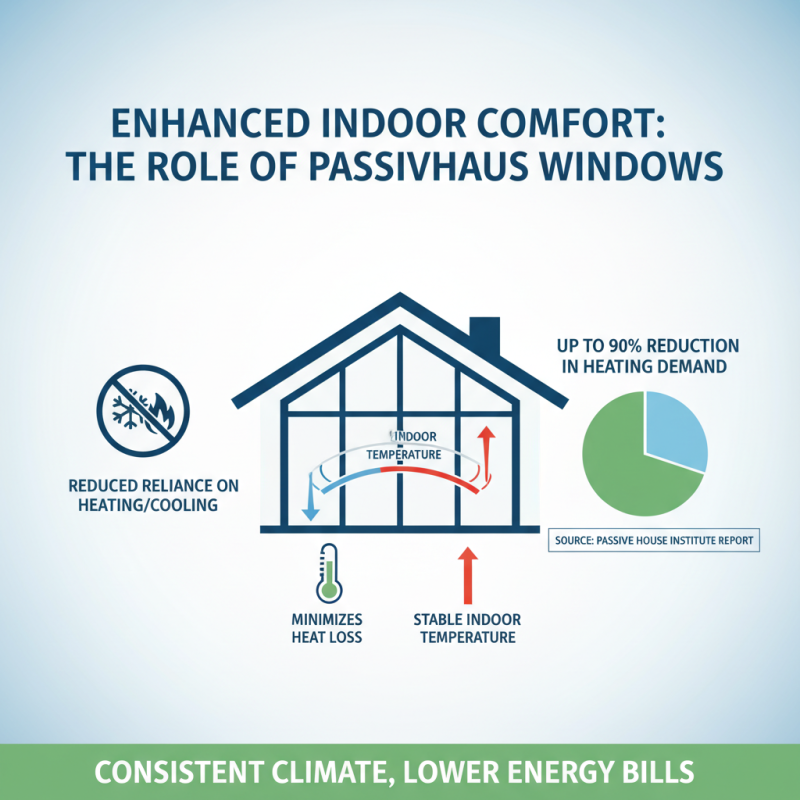
Passivhaus windows play a pivotal role in enhancing indoor comfort. These windows are designed to minimize heat loss, thereby maintaining a stable indoor temperature. A report from the Passive House Institute notes that well-designed Passivhaus windows can reduce heating demand by up to 90%. This means residents can enjoy a consistent climate without relying heavily on heating and cooling systems.
In addition, Passivhaus windows significantly improve air quality. The incorporation of triple glazing and advanced sealing techniques prevents drafts, eliminating cold spots and noise intrusion. A study from the German Federal Ministry for Economic Affairs highlights that homes with these windows often experience lower levels of indoor pollutants, contributing to better overall wellbeing.
Did you know that even minor adjustments can enhance window performance? Invest in quality seals and pay attention to installation techniques to ensure maximum effectiveness. Regular maintenance is crucial. Check the seals annually to prevent air leaks. Poorly maintained windows can undermine the benefits they offer.
When considering Passivhaus windows, durability and longevity stand out among their numerous advantages. These windows are designed to withstand the test of time. They use high-quality materials like triple-glazed glass that resist breaking and maintaining insulation properties. This level of durability reduces the need for frequent replacements. Fewer replacements mean less waste, which is beneficial for the environment.
Additionally, the materials used in Passivhaus windows resist deterioration from weather exposure. They do not warp or rot easily. This resilience leads to long-term savings and reliability. However, it is essential to ensure proper installation to maximize their potential. Even the best windows can underperform if not installed correctly. Attention to detail during installation can significantly impact their lifespan.
Homeowners may initially overlook the long-term benefits of investing in Passivhaus windows. The upfront costs can be higher than standard options. Despite this, the cost efficiency over time becomes apparent. Investing in quality today can lead to savings on energy bills and maintenance. As buildings age, having reliable windows becomes a strategic advantage.
Choosing Passivhaus windows offers significant sustainability benefits. These windows are designed to minimize energy loss, helping maintain a stable indoor climate. They use high-performance glazing, which effectively reduces heat transfer. This means less reliance on heating and cooling systems. Reduced energy consumption leads to lower carbon emissions.
In addition to energy efficiency, Passivhaus windows contribute to healthier living spaces. Their airtight design prevents drafts, ensuring better indoor air quality. However, proper installation is crucial. Misalignments can lead to performance issues. Investing in skilled installation is key to reaping the full benefits.
While the advantages are clear, it’s vital to consider long-term durability. Passivhaus windows can be more expensive upfront. Yet, the savings on energy bills can justify the initial investment. It’s worth evaluating your specific needs and conditions when choosing these windows. Overall, they represent a forward-thinking choice for eco-conscious buyers.