2026 Best Victorian Sunroom Designs for Your Home?
As home design trends evolve, the Victorian sunroom remains a cherished feature for many homeowners. Renowned architect Sarah Mitchell states, “A Victorian sunroom beautifully merges nature with architecture, enhancing any living space.” This design offers an inviting ambiance, merging the elegance of Victorian style with the warmth of natural light.
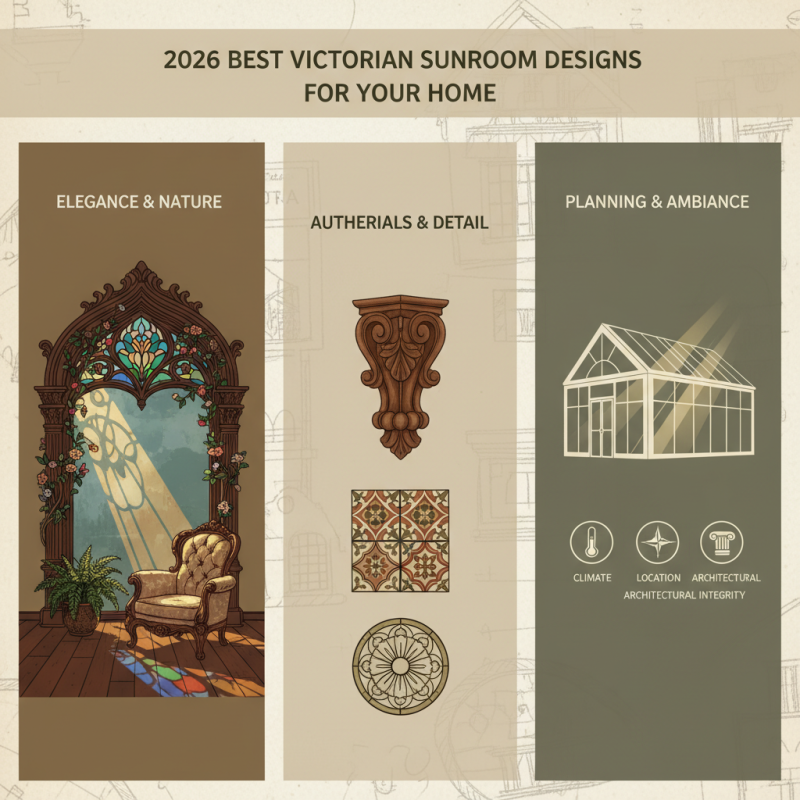
In 2026, the best Victorian sunroom designs incorporate intricate details and authentic materials. From ornate woodwork to stained glass accents, these elements reflect the grandeur of this historical style. However, achieving this look can be challenging. Homeowners must balance aesthetics with functionality.
While the Victorian sunroom inspires dreams of relaxation, it also demands careful planning. Factors like climate, location, and architectural integrity require thoughtful consideration. A perfect design could slip away if you overlook these aspects. Strive for clarity amid the charm of the Victorian sunroom, ensuring every detail serves a purpose.
Understanding Victorian Architecture Features for Sunroom Designs
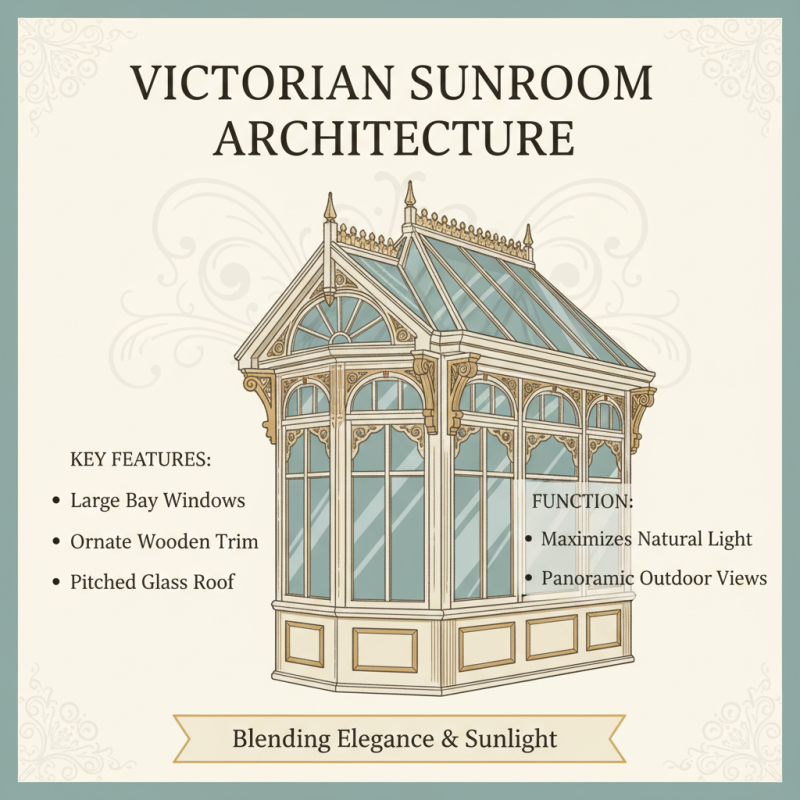
Victorian architecture is known for its intricate details and unique design elements. Sunrooms inspired by this style often feature large bay windows, ornate wooden trim, and pitched roofs that mimic the charm of the era. The windows serve a practical purpose, allowing natural light to flood the space while providing stunning views of the outdoors.
Including elements such as stained glass and decorative moldings can enhance the Victorian aesthetic. This approach creates a warm and inviting atmosphere. However, matching these features with modern needs can be challenging. It’s essential to balance historical accuracy with functionality. For example, incorporating energy-efficient windows while maintaining the traditional look can be complex.
When designing a Victorian sunroom, it’s crucial to consider the overall home architecture. A mismatched design can feel awkward and disjointed. Thoughtful integration enhances the beauty of both the sunroom and the home. Each detail matters. Simplifying some elements might capture the essence without overwhelming the space. Emphasizing both style and comfort results in a sunroom that feels cohesive and timeless.
Popular Victorian Sunroom Styles and Their Unique Characteristics
Victorian sunrooms bring elegance and charm to any home. Their distinctive features include intricate wooden trim, stained glass windows, and high ceilings. These characteristics create a serene space that integrates nature with indoor comfort. Maintaining the right ambiance is key.
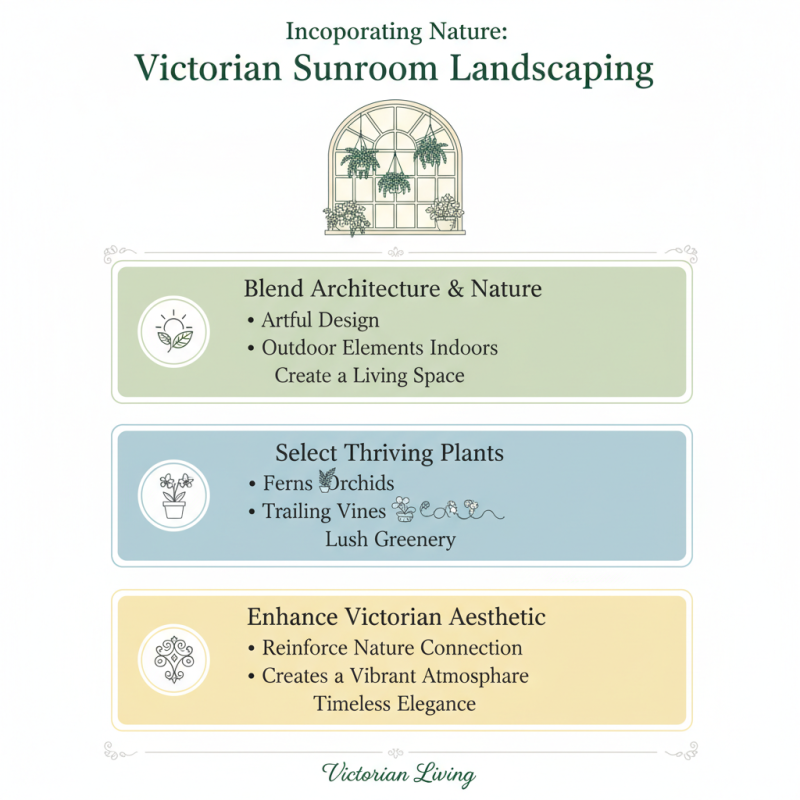
For a cozy atmosphere, consider using warm colors in your decor. Add vintage furnishings to enhance the Victorian style. Think about investing in thick drapes that not only add charm but also provide privacy. Plants can also play a significant role. They breathe life into the space, adding color and freshness.
Tips: Ensure your sunroom is well-insulated to manage temperature effectively. A poorly insulated room can lead to discomfort during extremes in weather. Also, think about light sources. Natural light is essential, but don’t overlook the importance of soft artificial lighting for evenings. Lastly, evaluate your layout. A cluttered space can detract from the elegance. Refine your furniture choice to create flow and accessibility.
Color Schemes and Materials Commonly Used in Victorian Sunrooms
When designing a Victorian sunroom, color schemes play a vital role. Rich, deep hues like burgundy and forest green are common. These colors evoke a sense of tradition and elegance. Soft pastels also work well, bringing a lighter touch to the space. Consider using creams and soft blues for walls. These shades create a calming atmosphere, which is essential for relaxation.
Materials are just as important as colors in Victorian sunroom designs. Traditional wooden frames are a staple, adding warmth and durability. Stained glass windows can also enhance the aesthetic, bringing in unique patterns and colors. However, sourcing authentic materials can be challenging. Some may compromise by using modern substitutes that might lack the same charm. It is important to weigh the pros and cons.
The integration of textiles completes the look. Luxurious drapes or lace curtains add sophistication. However, heavy fabrics may limit sunlight penetration. Finding a balance between aesthetics and functionality can be tricky. Consider the intended use of the sunroom when making these choices. Ultimately, a Victorian sunroom should reflect personal style while staying true to its historical roots.
2026 Victorian Sunroom Design Trends
Furniture and Decor Tips for Enhancing Your Victorian Sunroom Space
Creating a beautiful Victorian sunroom involves more than just structural aesthetics. Choosing the right furniture is crucial. Opt for vintage-style seating that reflects the elegance of the era. Look for floral patterns or rich fabrics like velvet. These choices can enhance both comfort and visual appeal. A well-placed settee can truly anchor the space.
Decor elements also play an essential role. Consider adding lace curtains that filter in natural light. These can soften the room's edges and create a cozy ambiance. Decorative pillows in warm colors add charm and invite relaxation. Incorporate elements like potted plants to bring the outdoors in. However, too many plants can clutter the space and detract from its elegance.
Lighting should not be overlooked. A brass or crystal chandelier can capture the Victorian essence beautifully. Yet, it's essential to balance the lighting. Insufficient illumination can leave the space feeling dark and uninviting. Evaluate the room during various times of the day to ensure it remains bright and welcoming. Every detail contributes significantly to the overall atmosphere.