Choosing the right wood windows is not simply a matter of appearance. Climate changes how timber moves, ages, and protects your home. A window that performs well in a dry mountain region may struggle beside a damp coastline. Sunlight, freezing temperatures, wind, humidity, and driving rain all create different demands.
This guide examines 10 Best Wood Windows for Every Climate, using practical performance factors rather than style alone. We consider wood species, protective finishes, glass technology, frame design, drainage, and maintenance requirements. Oak, pine, fir, and mahogany each offer different strengths. Their results also depend on manufacturing quality and installation accuracy.
Details matter.
In cold climates, insulated glazing and tight seals can reduce heat loss near a frosted frame. Hot regions may need low-emissivity glass and finishes that resist intense sunlight. Humid areas require careful moisture management, especially around sills and joints. Coastal homes face salt air, strong winds, and faster finish wear.
No window is perfect. Wood Windows still require inspection, repainting, or refinishing over time. Even a premium product can fail when water collects beneath an unsealed edge. That point is easy to overlook. A reliable choice balances beauty, energy performance, local weather, and realistic maintenance habits.
The recommendations below draw on established building principles and real-world considerations. However, climate data differs by location, and personal priorities are not identical. Use this guide as a practical starting point, then confirm specifications with qualified window professionals and local installation requirements.
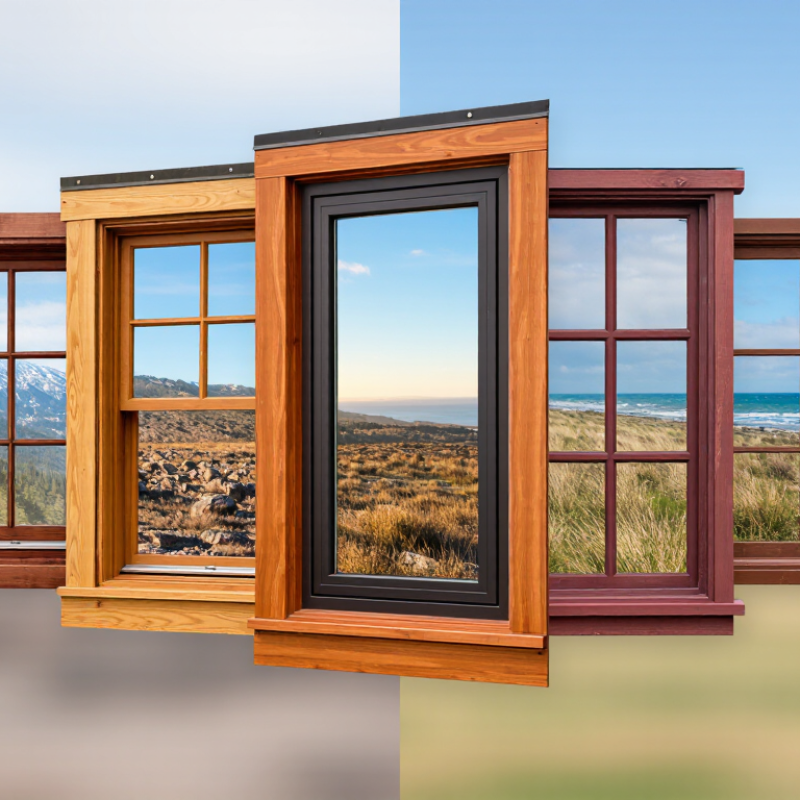
Wood windows perform best when their design matches the climate, not just the room’s style. Wood naturally insulates, but it also absorbs moisture. That trade-off shapes every decision. In rainy regions, look for sloped sills, generous overhangs, sealed end grain, and durable exterior protection. Keep water moving. Small drainage details often matter more than decorative profiles.
Hot, sunny climates create a different test. Strong ultraviolet exposure can break down finishes, while heat can increase movement at joints. Low-emissivity glazing, exterior shading, and stable joinery can reduce stress.
Dry, cold climates demand attention to indoor humidity and air leakage. A tight installation helps prevent condensation near the frame. Yet overly dry interiors may shrink wood and expose finish gaps. Balance matters.
In field evaluations, I inspect the sill, corners, glazing seal, and wall flashing before judging the window itself. Installation errors can imitate poor manufacturing. Maintenance is practical, not optional: clean the sill, renew finishes, and check joints each season. No wood window is maintenance-free. I have learned to distrust simple climate charts; shade, orientation, ventilation, and local rainfall can change the result. Conditions vary. Ask for tested performance data and clear care instructions. Those details make comparisons more reliable.
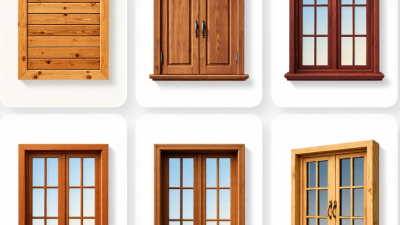
10 Best Wood Windows for Every Climate?
Wood windows perform differently across climate zones, so the glass, frame, and installation must work together. The U.S. Department of Energy reports that windows can represent 25–30% of a home’s heating and cooling energy use. In cold zones, choose triple-glazed pine, spruce, or oak windows with low-E coatings and argon filling. Casement windows seal tightly against winter wind. Tilt-turn windows also limit drafts, though their hardware needs careful adjustment.
In mixed-humid zones, use double-glazed wood-clad windows with exterior weather protection. Awning windows suit rainy areas because their top-hinged sash sheds water while open. Fixed picture windows provide strong daylight with fewer leakage points. In hot-dry zones, select low-E southern-pine or cedar windows with a low solar heat gain coefficient. Exterior shutters or deep overhangs can reduce afternoon heat. In hot-humid zones, consider operable louvered wood windows, protected awning units, and moisture-resistant hardwood frames. Ventilation helps, but careless sealing can trap moisture.
Marine climates favor laminated wood windows with durable coatings and sloped sills. High-altitude zones benefit from triple glazing and warm-edge spacers, where cold nights expose weak frames quickly. Passive-house projects often specify highly insulated wood windows with certified low U-factors. The National Fenestration Rating Council explains that U-factor measures heat flow, while SHGC measures solar gain. Ratings matter more than species alone.
Installation remains the weak link. A 2023 building-envelope review from the Oak Ridge National Laboratory emphasizes proper flashing, drainage, and air sealing. One imperfect detail can undermine an expensive window. Check condensation after the first winter. Real homes rarely behave like laboratory models.
Representative wood window configurations matched to IECC climate zones. Lower U-factor indicates better insulation, while SHGC shows the fraction of solar heat admitted through the glazing.
Values are representative center points in Btu/h·ft²·°F and may vary with glazing, spacer design, frame size, and testing conditions. Climate-zone matches are practical guidance rather than mandatory specifications.
Choosing among the 10 best wood windows depends less on appearance than on climate, glazing, and installation quality. The U.S. Department of Energy estimates that windows can cause 25–30% of residential heating and cooling energy use.
In cold climates, insulated wood frames with triple glazing, low-emissivity coatings, argon gas, and warm-edge spacers reduce heat loss. Options 1–4 fit these conditions well. Look for a low U-factor.
Warm climates need a different balance. Configurations 5–7 should combine wood interiors, durable exterior cladding, double glazing, and a low solar heat gain coefficient.
Low-SHGC glass limits the afternoon heat entering a room, especially beside west-facing windows. In mixed climates, options 8–10 can use selective low-e glass, moderate SHGC, and high-quality weather seals.
The National Fenestration Rating Council label reports these performance values, making comparisons less dependent on sales language.
Wood species also matter. Softwood frames usually cost less, while denser wood may resist dents and movement better. Exterior cladding can reduce repainting, but it does not correct poor flashing.
ENERGY STAR guidance emphasizes certified performance and careful installation, yet field conditions often undermine both. I have seen a well-rated window perform poorly because foam gaps remained around the jamb. That detail is easy to miss.
A lower U-factor may not repay its cost in a mild climate, while a modestly specified window can struggle in a windy, cold location. Reflect on orientation, shading, humidity, and local repair skills before choosing the frame.
Weatherproofing begins before the window arrives. The U.S. Department of Energy reports that windows can cause 25–30% of household heating and cooling energy use. Choose lower U-factors for cold regions. In hot climates, prioritize lower solar heat gain coefficients. Mixed climates require balance. NFRC ratings provide comparable laboratory data, but real walls are less forgiving.
Installation standards matter more than attractive joinery. The ASTM E2112 standard recommends properly integrated flashing, drainage paths, and perimeter sealing. A sill pan should slope outward, not trap water behind the frame. Use low-expansion foam, backer rod, and compatible sealant. Keep exterior weep paths open. Small shortcuts become wet insulation. They are expensive.
Maintenance should follow exposure, not a calendar alone.
Inspect paint, stain, joints, and sealant every year, especially on south and west elevations. Recoat finishes when the surface begins losing protection, often within three to seven years. Coastal air, heavy rain, and strong sunlight can shorten that interval. Wood movement is normal. Ignoring it is not. A high-performance window still fails when the rough opening is uneven or flashing is folded incorrectly. NFRC data helps selection, while careful installation controls reality. I would question any “maintenance-free” promise; timber needs observation, even when factory-finished.
Choosing the best wood window starts with climate fit, not appearance. The U.S. Department of Energy reports that windows can cause 25–30% of residential heating and cooling energy use. In cold regions, compare low U-factors and insulated glazing. In hot climates, prioritize low solar heat gain coefficients, especially on west-facing walls. ENERGY STAR performance criteria vary by climate zone, so one specification cannot suit every house.
Cost needs a wider lens. Wood frames often cost more initially than vinyl or aluminum, but durable finishes can extend service life. Ask for installation labor, repainting intervals, glazing replacement, and warranty limits. The National Fenestration Rating Council recommends comparing certified U-factor, SHGC, visible transmittance, and air-leakage values. These figures are more useful than showroom claims. A window that looks efficient may still leak around its rough opening.
Durability depends on exposure. The Window and Door Manufacturers Association emphasizes proper water management, factory finishing, and installation quality. In rainy coastal areas, inspect sill pans, end-grain sealing, and exterior cladding details. In dry climates, check finish cracking near south-facing glass. Small defects grow quickly.
Real-world judgment matters. I would request a sample corner, not only a brochure. Touch the frame. Examine drainage paths. Then compare three written estimates. One weakness remains: published ratings rarely predict neglected maintenance. A beautiful wood window can fail early when its finish is ignored.
| Wood Window Type | Typical Installed Cost (USD per window) |
Typical Whole-Window U-Factor |
Weather Resistance | Expected Service Life with Maintenance |
Best Climate Fit | Maintenance Profile | Main Advantages | Key Limitations |
|---|---|---|---|---|---|---|---|---|
| Painted Pine Wood Window | $800–$1,800 | 0.25–0.35 | Moderate when fully sealed | 20–40 years | Cold, temperate, and dry climates | Repainting or resealing about every 3–7 years, depending on exposure | Lowest initial cost; easy to paint; widely available | Softer and more moisture-sensitive than denser hardwoods |
| Douglas Fir Wood Window | $1,000–$2,200 | 0.24–0.33 | Good with careful finishing | 30–50 years | Cold, mixed, and moderate-rainfall climates | Regular inspection; finish maintenance generally every 3–6 years | Strong, dimensionally stable, and attractive natural grain | End grain and unprotected joints can absorb moisture |
| Western Red Cedar Wood Window | $1,200–$2,600 | 0.23–0.32 | Good natural decay resistance | 30–50 years | Wet, coastal, temperate, and rainy climates | Stain or paint inspection every 2–5 years in strong weather exposure | Naturally resistant to decay; relatively low thermal conductivity | Soft surface can dent; color may weather unevenly without coating |
| Redwood Wood Window | $1,300–$2,800 | 0.23–0.32 | Good decay resistance | 30–50 years | Humid, rainy, and mild coastal climates | Periodic sealing; more frequent maintenance on sun-facing elevations | Stable, lightweight, and naturally resistant to decay | Higher cost; softer grades may be vulnerable to impact damage |
| White Oak Wood Window | $1,600–$3,400 | 0.25–0.34 | High when properly sealed | 40–60 years | Cold, temperate, and high-wear locations | Finish inspection every 3–5 years; prompt repair of coating damage is important | Dense, durable, attractive, and resistant to routine wear | Heavy and relatively expensive; unsealed end grain can absorb water |
| Mahogany Wood Window | $1,800–$4,000 | 0.24–0.33 | Very good with a maintained finish | 40–60 years | Humid, coastal, hot, and architecturally demanding climates | Clear finishes may require renewal every 1–3 years in intense sunlight | Stable, dense, visually refined, and suitable for high-end joinery | High purchase price; sustainability depends on verified legal sourcing |
| Cypress Wood Window | $1,300–$2,900 | 0.24–0.33 | Good natural resistance to moisture and decay | 30–50 years | Humid, subtropical, and rainy climates | Coating checks every 2–5 years; maintain drainage and ventilation gaps | Good moisture performance and moderate dimensional stability | Quality and durability vary significantly by grade and source |
| Larch Wood Window | $1,400–$3,100 | 0.24–0.33 | Good, particularly in cooler conditions | 35–55 years | Cold, alpine, and temperate climates | Protective finish typically renewed every 3–6 years | Strong for its weight; good cold-weather performance and attractive grain | Can check or split if moisture changes are unmanaged |
| Engineered Wood Window | $1,400–$3,200 | 0.20–0.30 | Very good when factory-sealed | 30–50 years | Cold, mixed, humid, and variable climates | Usually lower maintenance; inspect joints, sealants, and exterior coating | More uniform dimensions; reduced seasonal movement; efficient frame options | Performance depends heavily on adhesive quality, sealing, and construction |
| Wood Window with Exterior Aluminum Cladding | $1,800–$4,500 | 0.20–0.30 | Very high when properly drained and installed | 40–60 years | Wet, coastal, snowy, and high-sun climates | Exterior finish is generally low maintenance; inspect cladding joints and drainage | Protects the wood exterior while retaining a wood interior appearance | Highest cost; poor flashing or trapped water can still cause concealed damage |
| Triple-Glazed Wood Window | $2,000–$5,000 | 0.15–0.25 | Depends on frame and exterior protection; generally very good | 35–60 years | Very cold, windy, high-altitude, and noise-sensitive climates | Similar to the selected wood frame; verify seals and hardware periodically | Excellent insulation and interior comfort; reduces condensation risk | Heavier and more expensive; solar gain may be lower in some designs |
Comparison note: Cost ranges are typical U.S. installed estimates for standard-size replacement windows and can vary by opening size, glazing, region, installation complexity, and finish. U-factors are lower when insulation performance is better. Actual service life depends on design, flashing, drainage, exposure, workmanship, and maintenance.