How to Choose the Best Aluminum Clad Wood Sunroom for Your Home?
Choosing the right sunroom for your home can be challenging. An Aluminum Clad Wood Sunroom offers both style and durability. John Mitchell, a leading expert in sunroom design, once stated, "The perfect sunroom combines natural beauty with long-lasting materials." His insights highlight the balance between aesthetics and functionality.
When selecting an Aluminum Clad Wood Sunroom, consider your local climate. Wood provides warmth, while aluminum protects against harsh weather. The materials work together to create a comfortable environment. Visualize a bright space filled with sunlight, where you can relax year-round. However, one must acknowledge that maintenance is required. Over time, both wood and aluminum may need attention.
Moreover, be mindful of your budget. Higher-end designs deliver better performance but can strain finances. It’s essential to reflect on your long-term goals. Are you looking for a space to unwind or entertain? Whatever your needs, an Aluminum Clad Wood Sunroom can be a valuable addition to your home.
Understanding the Benefits of Aluminum Clad Wood Sunrooms
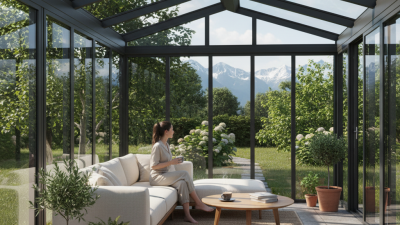
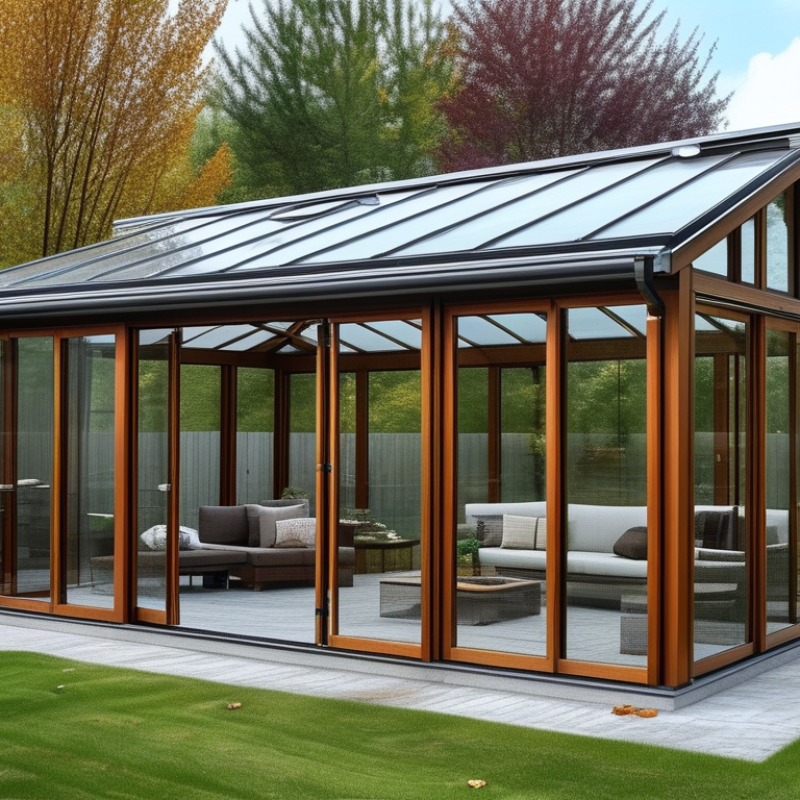
Aluminum clad wood sunrooms combine beauty and function. These structures offer the warmth of wood on the inside and the durability of aluminum on the outside. This unique combination protects against harsh weather while providing a comfortable environment. Sunrooms allow natural light to flood into your home, creating a serene space for relaxation.
The benefits of aluminum clad wood sunrooms are notable. They eliminate the need for constant maintenance, unlike traditional wood. The exterior requires minimal upkeep, while the interior retains the classic appeal of wood. This makes sunrooms both practical and stylish. However, potential owners should consider insulation and energy efficiency. A poorly designed sunroom may lead to increased energy costs.
Building codes and local climate can also impact sunroom performance. It's vital to consult with professionals regarding these factors. While aluminum clad wood sunrooms are appealing, the installation process can be challenging. Taking time to understand the options available ensures you make the best choice for your home. Each detail matters in creating a cozy space that enhances your lifestyle.
Key Features to Look for in Aluminum Clad Wood Sunrooms
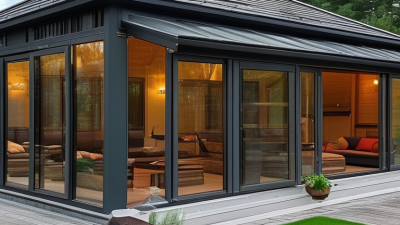
When choosing an aluminum clad wood sunroom, consider the importance of materials and construction. The combination of aluminum and wood offers durability and aesthetics. Look for weather-resistant coatings on the aluminum to prevent rust and deterioration. High-quality wood should be selected for framing; it enhances insulation while providing beauty.
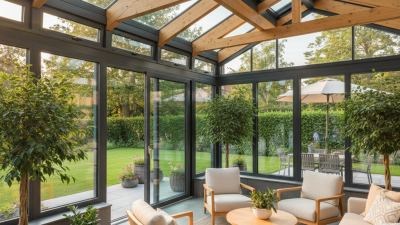
Pay attention to the glass options as well. Energy-efficient glazing can make a significant difference in temperature control and utility bills. A good sunroom should have double or triple-pane glass to minimize heat loss. Additionally, consider the framing system. It should have a strong structure to support heavy glass panels.
Check for customizable features like ventilation and configurations. Some sunrooms offer sliding or hinged windows, enabling fresh air circulation. You might reflect on your usage patterns. Do you need a space for relaxing or entertaining? Factors like these will influence your choice. Selecting the ideal sunroom takes time and research. Each detail matters, and it's essential to ensure that every feature aligns with your needs.
How to Choose the Best Aluminum Clad Wood Sunroom for Your Home?
| Feature |
Description |
Importance |
| Durability |
Aluminum clad exterior provides weather resistance and protects wood from moisture and pests. |
High |
| Energy Efficiency |
Good insulation properties help manage indoor climate and reduce energy costs. |
High |
| Aesthetic Appeal |
Available in various styles and colors to match home design. |
Medium |
| Maintenance Requirements |
Low maintenance compared to other materials; regular cleaning recommended. |
Medium |
| Cost |
Initial investment can be higher, but longevity and efficiency provide value over time. |
High |
| Customization Options |
Ability to customize size, layout, and features to fit personal needs. |
Medium |
Comparing Material Options: Aluminum Clad vs. Traditional Wood
When comparing aluminum clad wood to traditional wood for sunrooms, several factors come into play. Aluminum clad wood combines the warmth of natural wood with the durability of aluminum. A study from the National Association of Home Builders found that over 70% of homeowners prefer materials that require less maintenance. Aluminum provides excellent protection against rot and insects, addressing common wood vulnerabilities.
Traditional wood offers a classic aesthetic. It allows for custom staining and finishing options. However, it demands more upkeep. Frequent painting and staining can be labor-intensive. The same NAHB study indicates that about 60% of homeowners experience challenges in maintaining wood sunrooms.
Moreover, the upfront cost of aluminum clad wood may be higher. Yet, the long-term savings on maintenance make it a compelling choice. A report from Remodeling Magazine cites that aluminum clad wood can increase home value by 10-15% due to its durability and low maintenance requirements. This balance between aesthetics and practicality greatly influences the decision for homeowners.
Factors Influencing the Cost of Aluminum Clad Wood Sunrooms
When choosing an aluminum clad wood sunroom, several factors impact the overall cost. A report from the American Institute of Architects indicates that the average cost of sunrooms ranges from $70 to $200 per square foot. This estimate is influenced by materials, size, and location. For instance, higher-quality wood and aluminum can significantly elevate your budget. Additionally, labor costs vary widely across regions, affecting the final price.
One important consideration is insulation. Well-insulated sunrooms can reduce heating and cooling costs. According to the U.S. Department of Energy, upgrading insulation can lead to energy savings of up to 30%. This can offset the initial investment over time. Consider the thermal performance ratings when selecting materials, as they inform the long-term efficiency of your sunroom.
Tips: Ensure you consider local weather conditions. Some areas demand more durable materials. Research different insulation types to find the best fit. Always consult with professionals to understand installation complexities and hidden costs. This can help avoid unexpected expenses. Remember, investing time in planning can save money in the long run.
Design Considerations for Seamlessly Integrating a Sunroom into Your Home
When integrating a sunroom into your home, design considerations are key. The size and shape of your home guide your choices. For instance, a sunroom should not overpower your house. A good rule is to maintain a size ratio, ensuring the sunroom makes up no more than 15% of your house's total footprint. This helps achieve a balanced look, enhancing aesthetics.
Natural light is crucial in a sunroom. Research indicates that well-lit spaces improve mood and productivity by approximately 20%. Consider window placement carefully. Large, strategically placed windows can allow maximum daylight, creating a warm and inviting space. However, overexposure may lead to overheating. Using energy-efficient glazing can mitigate this risk while keeping the room bright.
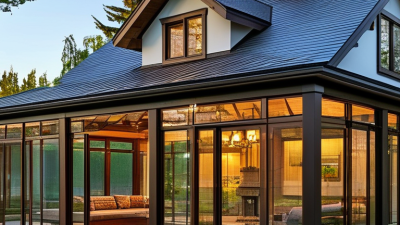
Materials play a significant role in blending the sunroom with existing structures. Aluminum clad wood offers durability with a classic look. However, choosing colors that match your home’s exterior ensures harmony. Lighting fixtures should also align with your home style. Ill-fitting styles can disrupt the visual flow. Thoughtful attention to these details enhances your home’s overall appeal.