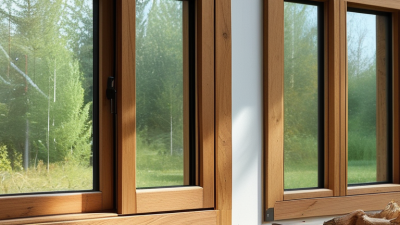
Choosing windows and doors in 2026 means balancing comfort, durability, appearance, and long-term costs. The right choice depends on your climate, your home’s orientation, and how each opening will be used. A sunlit living room may benefit from carefully selected glazing, while a busy entrance needs a door that feels secure and closes smoothly.
Architect and design theorist Louis Sullivan’s well-known principle, “Form follows function,” offers a useful starting point. It is a design principle, not a product guarantee. Begin with performance: compare energy ratings, frame materials, glazing, air leakage, and resistance to wind-driven rain. Then consider practical details, such as whether a door swings into a tight hallway or a window is easy to clean. Small details matter. A low-emissivity coating may help manage heat and glare, but the best specification depends on local conditions. No single option suits every home.
Installation deserves equal attention. Even a high-performing unit can disappoint if it is poorly measured, sealed, or fitted. Ask contractors how they manage flashing and drainage, and request clear product documentation before comparing prices. Looks matter, too. So does maintenance. A finish that suits a sample may feel different across an entire façade; I would not choose from a tiny swatch alone. This guide explores how to assess Windows Doors for comfort, style, and dependable performance in 2026—without assuming that the newest product is automatically the best choice.

Choosing windows and doors in 2026 starts with the building, not the brochure. List your priorities: lower energy use, less street noise, easier cleaning, or better access. Note each room’s orientation, existing frame condition, and how often you use the opening. A west-facing room may need stronger solar control, while a bedroom near traffic may benefit from better sound reduction. Measure carefully, but have the installer verify dimensions before ordering. Small errors can become expensive.
Set a complete budget, not just a product allowance. Include installation, trim, disposal, possible frame repairs, and a contingency for hidden damage. The U.S. Department of Energy estimates that heat gain and loss through windows account for about 25–30% of residential heating and cooling energy use. That makes efficiency relevant, but not every upgrade pays back equally; climate, utility rates, and current window condition matter. I would compare written quotes and performance ratings, then check what each quote excludes. It is easy to focus on glass and overlook installation quality.
Tips: Bring room-by-room measurements, photos, and a short priority list to each consultation. Ask about air leakage, water management, warranties, and lead times. Keep one preference flexible. Real projects rarely match the first estimate exactly.

How to Choose Windows and Doors in 2026?
Energy ratings are useful, but compare the same measures across products. A low U-factor generally means less heat escapes through the frame and glass. Solar heat gain matters too: sunny rooms may need different glazing from shaded ones. Check the rating label and test conditions, not just a bold efficiency claim. Small print counts.
Security depends on the complete unit. Look for sturdy frames, reinforced locking points, and hardware that resists forced movement. Glass choice can also matter, especially beside a door handle. Ask how the product was tested and whether the lock, frame, and glazing were assessed together. A strong lock cannot fix a weak frame. It is easy to miss that detail.
Weather performance becomes visible on windy, rainy days. Compare air and water resistance results, then consider your local exposure: a sheltered porch is not the same as a coast-facing wall. Inspect seals, drainage paths, and the threshold for gaps or trapped water. Ask an installer how the unit will be sealed to your wall. Installation changes the result. I would also check samples in daylight; color and glass can look different at home. No rating captures every house, and that part is frustrating.
Compare the following common configurations as a starting point. Performance varies by product, size, installation, and local climate; use certified ratings for the specific unit you plan to buy.
| Window or Door Type | Energy Performance | Security Considerations | Weather Performance | Best Suited For | What to Check Before Buying |
|---|---|---|---|---|---|
| Fixed triple-pane window | Often offers the lowest heat transfer among these window options. A low U-factor indicates better insulation; choose the solar heat gain coefficient (SHGC) to suit the climate and orientation. | No opening sash to force, but the frame, glazing, and installation still need to resist impact and tampering. Specify safety glazing where required. | With no operable joint, it can be easier to seal against air and rain than an opening window. Correct flashing and drainage remain essential. | Cold climates, exposed walls, and areas where ventilation is provided elsewhere. | Certified whole-window U-factor and SHGC; tested air and water performance; glass safety requirements; installation details. |
| Operable casement window | Double- or triple-pane low-emissivity (low-E) glazing can provide strong insulation. Performance depends on the glass package, frame, and seals. | Look for sturdy hinges, a secure locking mechanism, and a frame that resists forced entry. Confirm any claimed security rating applies to the complete window. | A compression seal can close tightly when properly adjusted. Check tested air leakage, water resistance, and wind-load performance. | Rooms needing ventilation and homes seeking a tighter-closing operable window. | Whole-unit ratings, lock and hinge details, tested performance at the specified size, and maintenance requirements for seals. |
| Double-hung or single-hung window | Efficient options are available with insulated glazing and thermally improved frames. Operable joints may affect air leakage compared with a fixed unit. | Check sash locks, reinforced meeting rails, and whether the design supports a secure ventilation position. Use compliant safety glazing where needed. | Weather resistance depends on sash alignment, balances, seals, and installation. Compare tested air and water results rather than appearance alone. | Traditional-style homes and rooms where vertical ventilation is useful. | Certified U-factor and SHGC; air-leakage results; lock quality; ease of cleaning and seal replacement. |
| Sliding window | Insulated glazing can reduce heat loss, but the sliding track and meeting rail influence whole-unit performance. | Consider a positive-action lock, anti-lift features, and secure glazing retention. A secondary restrictor is not a substitute for a rated security system. | Track drainage and clean, correctly fitted weather seals are important. Compare tested water resistance and air leakage for the complete unit. | Wide openings, areas with limited clearance, and rooms where a projecting sash is impractical. | Track drainage design, lock and anti-lift details, certified whole-window ratings, and routine cleaning needs. |
| Insulated exterior hinged door | An insulated core and well-sealed perimeter can limit heat transfer. The frame, threshold, and glazing, if present, affect the complete-door result. | Check the quality of the frame, hinges, strike area, lock, and installation. Where available, select a complete door assembly tested to a recognized local security standard. | A compression seal and adjustable threshold can help limit drafts and water entry. Confirm the assembly is tested for the exposure and wind conditions at the site. | Main entrances and service doors where insulation and a secure, solid closure are priorities. | Whole-door thermal data; air and water test results; lockset compatibility; threshold sealing; local security and building-code requirements. |
| Glazed entry door | Thermal performance depends on the door’s glazing area, glass specification, frame, and edge seals. More glass does not automatically mean better energy performance. | Use safety glazing where required. Check glazing retention, frame strength, lock quality, and any security certification for the complete assembly. | Weather performance relies on perimeter seals, sill design, drainage, and careful installation. Confirm suitability for wind-driven rain at the location. | Entrances where daylight and visibility are important. | Whole-door energy rating; safety-glass compliance; tested water resistance; security test scope; sill and flashing details. |
| Sliding patio door | Low-E insulated glazing and an improved frame can reduce heat transfer. Large glass areas can increase solar gain, so select SHGC for the orientation and climate. | Check the primary lock, anti-lift protection, panel retention, and fixed-panel attachment. Consider a complete-system security test where applicable. | Track drainage, interlock design, and weather seals affect resistance to drafts and rain. Verify tested performance for the intended size and exposure. | Patios and decks where a wide opening and unobstructed floor space are desired. | Whole-door U-factor and SHGC; air and water test results; anti-lift and locking details; accessible track maintenance. |
How to interpret ratings: U-factor measures heat flow; a lower value generally means better insulation. SHGC measures how much solar heat enters; a lower value reduces solar gain, while a higher value may help capture useful winter sun. Air-leakage results describe leakage under a specified test pressure; lower leakage is generally preferable.
Before ordering: Compare certified ratings for the complete window or door, not just the glass or frame. Check that test sizes, labels, security standards, and weather ratings are relevant to your region, exposure, and local building codes. Proper installation is essential to achieve the rated performance.
In 2026, choose windows and doors by matching materials to your climate, budget, and home’s daily use. The U.S. Department of Energy estimates that heat gain and loss through windows account for 25–30% of residential heating and cooling energy use. That makes glass performance more than a comfort detail. Compare U-factor, which measures heat transfer, and solar heat gain coefficient, which indicates how much sun-driven heat enters. Look for ratings tested by the National Fenestration Rating Council.
Frame materials each have trade-offs. Fiberglass resists swelling and can handle temperature changes, while vinyl is generally low-maintenance. Wood offers a warm interior finish but needs regular care, especially near wet sills. Double-pane glass suits many homes; triple-pane units may help in colder climates, though they cost more. Low-emissivity coatings can reduce heat transfer. A perfect spec sheet can still feel wrong beside a dark, drafty entryway.
Tips
Stand near the opening on a cold morning and check for drafts. Ask for rated performance data, not just a glass label. Choose opening styles you can clean and operate easily. Tiny details matter. A wide frame can also reduce daylight, a trade-off worth considering before ordering.
A window can look perfect in a showroom and still fail your project’s requirements. Check with your local building department before ordering. Rules may cover emergency escape openings, safety glazing near doors, energy performance, and wind resistance. Requirements vary by location and by room. Measure each opening carefully, then confirm the required dimensions with your contractor. A few millimeters can matter.
Read warranty terms before comparing prices. I used to treat warranties as fine print; that was a mistake. Ask what covers the product and what covers installation, and check exclusions for moisture, hardware, or routine maintenance. Find out how long coverage lasts, whether it transfers to a new owner, and how claims are handled. Get the answers in writing.
Installation matters just as much as the unit. The work plan should describe flashing, drainage, insulation, fastening, and air sealing. These details help keep water from pooling behind trim or drafts from slipping around the frame. A neat bead of caulk is not proof of proper installation. Ask who will inspect the work, and request a final check that every sash opens, locks, and seals smoothly. One thing is easy to miss: take photos before the trim conceals the edges.
Evaluate suppliers by more than their showroom samples. Ask who measures the openings, installs the units, handles adjustments, and resolves service issues. The U.S. Department of Energy estimates that heat gain and loss through windows account for 25–30% of residential heating and cooling energy use. That makes performance details worth checking. Compare U-factor and solar heat gain coefficient values on National Fenestration Rating Council labels, using the same size and configuration for each quote.
A detailed quote should list frame material, glazing, hardware, screens, installation labor, removal, disposal, and taxes. Confirm whether measurements, delivery, and interior trim are included. Ask for written lead times and warranty coverage for both products and installation. Check references for similar projects, then ask how the supplier handles a window that arrives scratched or does not fit. A tidy quote can still leave gaps. Read every line.
Tips: Request itemized quotes from at least three suppliers, based on identical specifications. Keep a comparison sheet for price, ratings, exclusions, and warranty terms. Ask each supplier to explain any unusually low price in writing. It may reflect a real saving—or a missing service.