Discover High Performance Windows for Your Global Sourcing Needs?
When exploring global sourcing solutions, High Performance Windows emerge as a key consideration. These windows not only enhance energy efficiency but also play a crucial role in sustainable construction. The demand for reliable, high-quality windows is driven by energy regulations and consumer expectations.
High Performance Windows offer superior insulation and durability, making them a smart investment for builders and homeowners. However, selecting the right supplier can be challenging. It's essential to evaluate the performance ratings and certifications of various products in the market.
Many buyers overlook the importance of installation quality. Even the best windows can underperform if not installed properly. Engaging with reputable suppliers who prioritize craftsmanship is crucial. Balancing cost with quality often requires careful consideration and research. By taking time to assess your sourcing options, the outcome can lead to significant long-term benefits.
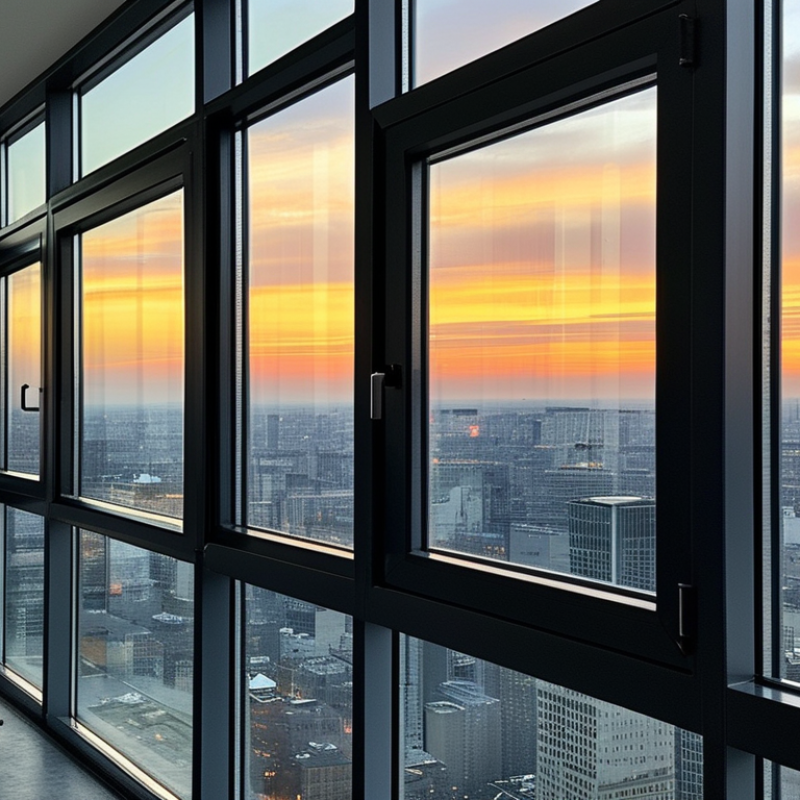
Understanding the Importance of High-Performance Windows in Global Sourcing
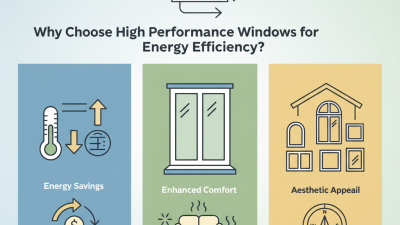
In global sourcing, high-performance windows play a crucial role in enhancing energy efficiency and reducing costs. A report by the U.S. Department of Energy indicates that windows account for approximately 25-30% of residential heating and cooling energy use. This underscores the necessity of integrating energy-efficient windows into building designs. High-performance windows significantly minimize heat loss in winter and keep buildings cool in summer, leading to substantial energy savings.
Choosing the right materials is essential. According to the National Fenestration Rating Council, the best-performing windows feature low-emissivity (Low-E) glazing and insulated frames. These specifications can lead to energy usage reductions of up to 40% compared to standard windows. However, some sourcing agents may overlook the long-term benefits for initial cost savings. This short-sightedness can result in higher operational costs over time.
Market trends indicate a growing preference for sustainability. The Global Window Market report projects a compound annual growth rate of over 4% between 2021 and 2026. As awareness about climate change increases, builders and architects are shifting toward eco-friendly materials. Failing to adapt can lead to missed opportunities and potential losses in competitive advantage. Understanding these dynamics is vital for effective sourcing strategies.
Key Features to Look for in High-Performance Windows for Efficiency
When selecting high-performance windows, focus on energy efficiency and durability. Look for windows that offer advanced insulating properties. Low-emissivity (low-E) glass can minimize heat transfer. This feature enhances indoor comfort, reducing heating and cooling costs.
Another critical aspect is the frame material. Vinyl frames can provide excellent insulation. Yet, they may not match the aesthetic appeal of wood or aluminum. Consider the climate in your area. You might require different window specifications based on local weather.
Pay attention to the window's air leakage rating. A tightly sealed window reduces drafts. Ensure the windows you choose are tested for performance. Familiarize yourself with industry standards. These measures contribute significantly to energy savings. Evaluating these features requires careful thought. High-performance windows can be a worthwhile investment, but only when they meet your specific needs.
Comparing Different Materials for High-Performance Windows
When it comes to high-performance windows, material choice is essential. Different materials offer distinct benefits. For instance, fiberglass windows have been shown to reduce energy costs by up to 40%, according to a 2022 report from the National Renewable Energy Laboratory. This energy efficiency can lead to significant savings over time.
On the other hand, vinyl windows are popular for their cost-effectiveness. They have excellent insulation properties, often achieving R-values of 5 or higher. This means they effectively limit heat transfer. However, they can warp over time when exposed to high temperatures, making them less durable in some climates.
Wood windows provide a classic aesthetic and natural insulation. Yet, they require regular maintenance. A study by the U.S. Department of Energy indicates that poorly maintained wood can decrease operational efficiency by as much as 25%. Understanding the trade-offs among these materials helps in making informed sourcing decisions. Balancing long-term performance with immediate costs remains a challenge in the industry.
Evaluating Manufacturers and Suppliers for Quality Windows
Selecting the right windows for your projects is crucial. It goes beyond aesthetics and addresses performance, durability, and energy efficiency. When evaluating manufacturers, focus on their experience in the market. A company with years of expertise often provides better products. Assess their track record with previous clients and consider customer feedback as it reflects reliability.
Examine the materials they use. High-quality windows often feature robust frames and energy-efficient glass. Avoid suppliers who cannot provide clear information regarding their sourcing practices. Transparency in material sourcing can be a significant indicator of quality.
When making a decision, check for certifications and standards compliance. These can serve as a benchmark for evaluating product performance. Keep in mind that not all manufacturers meet these requirements. A little research can help you distinguish the trustworthy from the unreliable. A detailed comparison can reveal hidden flaws in products that appear similar at first glance. Stay cautious in your evaluations, as overlooking minor details may lead to bigger issues later.
Performance Comparison of Window Manufacturers
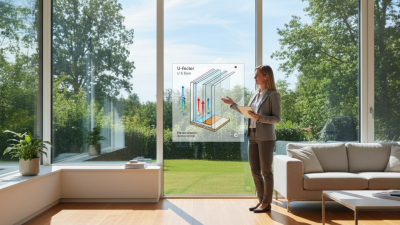
This chart illustrates the energy efficiency (U-Value) performance of various window manufacturers, which is crucial for evaluating quality and sustainability in sourcing windows globally.
The Role of Energy Efficiency Standards in Window Selection Process
When selecting windows for global sourcing, energy efficiency standards are crucial. These standards help ensure that windows meet minimum performance criteria. They focus on insulation, solar heat gain, and air leakage. Companies must understand these metrics to make informed decisions.
Many businesses overlook the importance of energy certifications. This can lead to poor choices. Selecting windows without these certifications can result in higher energy costs. Moreover, buildings may not perform as expected. Customers are increasingly aware of energy usage. They prefer products that demonstrate efficiency and sustainability.
Understanding the guidelines is essential. However, the complexity of standards can be overwhelming. It’s easy to get lost in technical jargon. Buyers should seek expertise when navigating these choices. This approach minimizes risks and enhances project outcomes. Ultimately, the impact of energy-efficient windows goes beyond immediate cost savings. Sustainable practices can improve overall brand reputation.