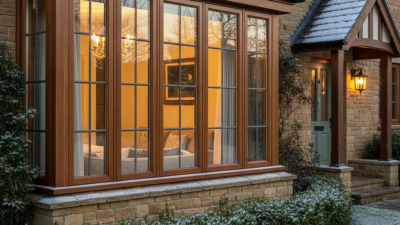
What are Timber Windows Benefits and Buying Guide?
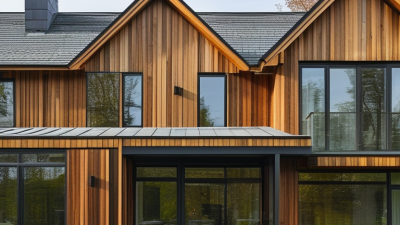
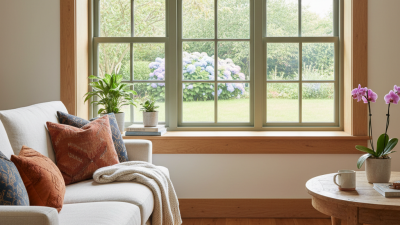
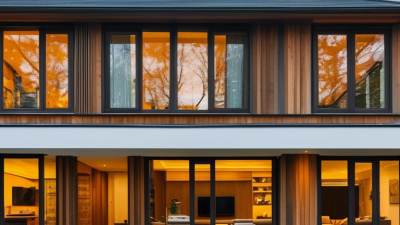
Timber Windows offer a unique blend of aesthetics and durability. Industry expert, John Richards, states, "Timber windows provide warmth and character that synthetic options often lack." His experience in the timber window sector highlights their enduring popularity. Homeowners appreciate the natural beauty and insulation properties of timber.
Choosing Timber Windows involves considering various factors. Each piece of wood tells a story, adding character to every home. However, it’s crucial to ensure quality craftsmanship. Poor installation can lead to issues like drafts and warping. Prospective buyers should focus on sourcing from reputable manufacturers to avoid these pitfalls.
Investing in Timber Windows is a significant decision. It is essential to weigh both the benefits and potential drawbacks. The right choices can transform a home, but mistakes can be costly. Homeowners need to reflect on their options carefully before committing. Reliable information and expert advice can aid in this process.
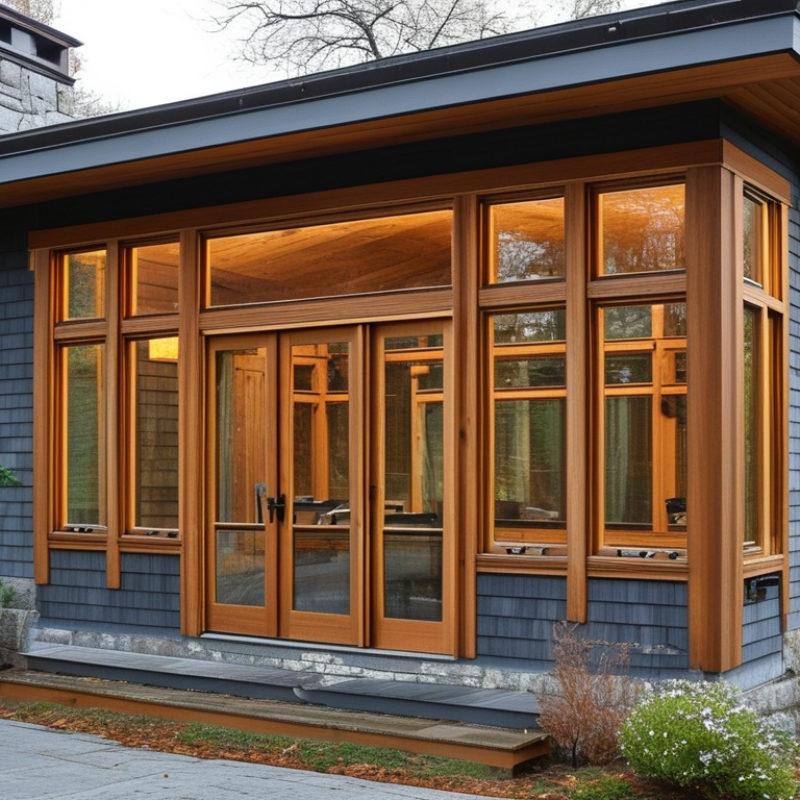
Benefits of Timber Windows: An Overview of Their Advantages
Timber windows offer unique advantages that appeal to homeowners and builders alike. They provide excellent insulation, which can significantly reduce energy costs. According to the National Association of Home Builders (NAHB), homes with energy-efficient windows can save up to 30% on heating and cooling bills. This long-term savings makes timber windows an attractive investment.
Durability is another key benefit. Timber frames can last for decades if properly maintained. Regular treatments for moisture and pests can extend their lifespan remarkably. However, it is worth noting that neglect can lead to rot or decay. Proper upkeep is essential to enjoy their full life potential.
Tips: Choose sustainable timber to support forestry practices. Look for windows that have been treated for weather resistance. Always consider the climate in your area when selecting window types. Proper research is necessary to make informed decisions, as not all timber windows are created equal. Balancing aesthetics with performance should guide your choices.
Sustainability and Environmental Impact of Timber Windows
Timber windows are gaining popularity, thanks to their sustainability and low environmental impact. A report from the Forest Stewardship Council (FSC) states that sustainably sourced timber can help reduce greenhouse gas emissions by up to 18%. This highlights timber's crucial role in combating climate change. When responsible forestry practices are employed, the lifecycle of timber windows allows for carbon sequestration, making them a favorable choice for eco-conscious consumers.
Moreover, timber has a natural insulating property that can enhance a building's energy efficiency. According to the Energy Saving Trust, replacing old windows with high-quality timber frames can reduce heating bills by 10-20%. However, it is essential to ensure proper maintenance of timber windows to maximize their benefits. Neglecting upkeep can lead to issues like rot and decay, ultimately compromising their environmental advantages.
While the benefits of timber windows are numerous, consumers must consider sourcing. Not all timber is sustainably harvested. It's vital to look for reputable certifications, like FSC or PEFC, when purchasing. It’s a reminder that not every product marketed as "green" genuinely holds up to scrutiny. Research and awareness are essential in making sustainable choices in the realm of home improvement.
Key Features to Consider When Buying Timber Windows
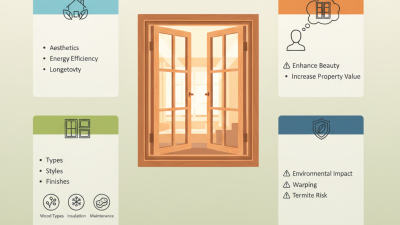
When considering timber windows, several key features deserve attention. The type of wood used greatly impacts durability and aesthetics. Hardwoods like oak or mahogany offer strength and a classic look. Softwoods, such as pine, are often more affordable. It's vital to weigh the long-term benefits against initial costs.
Another crucial factor is the window's insulation properties. Quality timber windows can provide excellent thermal performance, reducing energy bills. Look for dual or triple glazing options to enhance energy efficiency further. A well-sealed and properly installed window minimizes drafts and maximizes comfort in various weather conditions.
Finally, don’t overlook maintenance needs. Timber windows require periodic painting or staining to protect against weather damage. While this can be seen as a drawback, proper care extends their lifespan significantly. Remember to assess both visual appeal and function when making your choice. Each decision can impact your home's overall value and comfort.
Comparing Timber Windows with Other Window Materials
When comparing timber windows with other materials, several factors stand out. Timber offers a natural aesthetic that plastic and metal windows cannot replicate. The warmth of wood adds charm to any space. Additionally, timber windows provide excellent thermal insulation. They effectively reduce energy bills by keeping homes warm in winter and cool in summer.
However, timber windows require more maintenance than alternatives. They demand regular painting or sealing to prevent decay and damage. In contrast, vinyl and aluminum windows are often more durable and easier to clean. Timber can also be susceptible to pests like termites, which poses another risk.
On the flip side, timber windows can be repaired when damaged, while other materials may need replacement. This can be a point of hesitation for homeowners. In regions with fluctuating temperatures, timber expands and contracts more than synthetic materials. This can lead to gaps forming over time. Choosing the right window material depends on balancing aesthetics, maintenance needs, and climate considerations.
Maintenance Tips for Timely Care of Timber Windows
Timber windows are a beautiful addition to any home, but they need proper care to last. Regular maintenance is key to preserving their charm and functionality. Begin by inspecting the frames every few months. Look for signs of rot or deterioration. Any damage should be addressed quickly to prevent worsening issues.
Cleaning is also crucial. Use a soft cloth to wipe down the surfaces. Avoid harsh chemicals that could harm the wood. A mixture of mild soap and water is often sufficient. After cleaning, check the sealants around the windows. They should be intact to prevent drafts and moisture leaks. If they look worn, it's time to replace them.
Don't overlook painting or staining. Fresh finishes protect the wood from the elements. Reapply every few years. Ensure the wood is dry before applying to avoid trapping moisture. If you notice peeling or flaking, it might be a sign of underlying issues. Continuous monitoring and timely actions can keep your timber windows looking great for years.