Top Aluminum Clad Sunroom Manufacturers in China
An Aluminum Clad Sunroom can bring daylight and outdoor views into a home while offering protection from changing weather. Yet the phrase covers different designs. Some systems combine timber interiors with aluminum exteriors; others use different profiles and construction methods. Buyers should confirm exactly what each manufacturer supplies.
China has manufacturers serving residential projects, commercial buildings, and overseas buyers. Their capabilities can vary considerably. A polished showroom is useful, but it cannot prove how a frame handles rain, temperature changes, or years of daily use. Ask for profile specifications, glass options, drainage details, finish samples, and installation guidance. Request project references where possible. Small details matter.
This guide introduces manufacturers to consider and explains practical points for comparing them. It looks at product range, customization, production experience, quality documentation, communication, and after-sales support. These factors can help narrow a shortlist, but they do not replace independent checks. Company information may change, and a product that suits one climate or building may not suit another. There is no perfect ranking for every buyer.
Before placing an order, clarify dimensions, opening styles, delivery terms, and who handles installation. Get specifications and warranty conditions in writing. Compare the details, not just the price. A careful review takes time, and even then, some uncertainty remains. That is worth acknowledging.
What Is an Aluminum-Clad Sunroom?
What Is an Aluminum-Clad Sunroom?
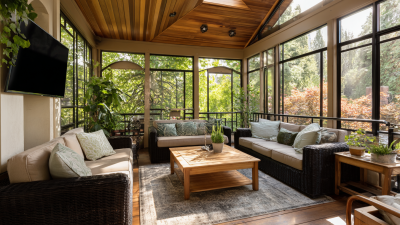
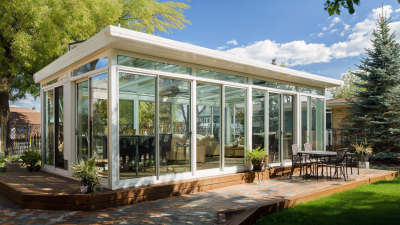
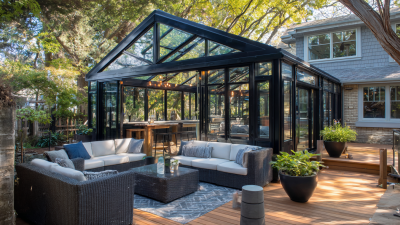
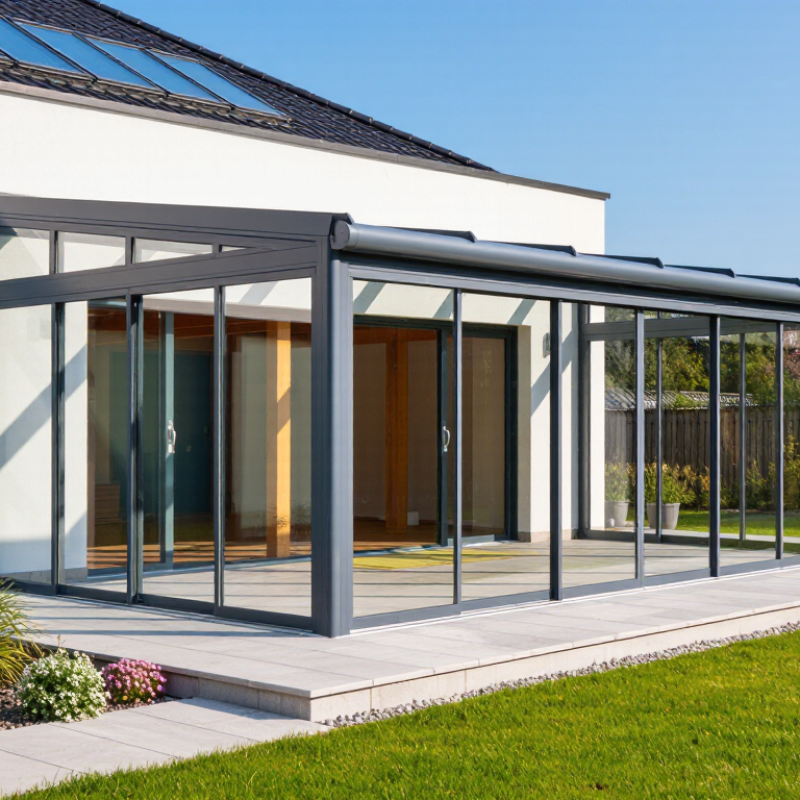
An aluminum-clad sunroom is a glazed living space with exterior surfaces protected by aluminum. In many designs, the frame has a wood core on the room side and aluminum cladding outside. Other systems use different structural materials, so the term does not describe one fixed construction. Large glass panels bring in daylight, while the cladding helps shield exposed frames from rain and sun. It is durable, but not maintenance-free.
Tips: Ask what sits beneath the cladding. Check frame material, glass specifications, drainage details, and how joints are sealed. A warm interior finish may feel inviting, but it does not prove the room will stay comfortable in every season. Look for clear drawings and measurable performance information.
One detail is easy to miss: aluminum itself conducts heat. A well-designed system may include thermal breaks to reduce heat transfer, but glazing and installation matter too. Inspect corner joints and sample finishes if possible; small gaps can become noticeable after repeated exposure to weather. The label alone tells you little. Compare the complete assembly, not just the exterior appearance.
What Is an Aluminum-Clad Sunroom?
An aluminum-clad sunroom typically combines a timber frame on the interior with protective aluminum cladding on the exterior. The chart compares representative thermal conductivity values for common frame and glazing materials; these values describe the materials themselves, not the U-factor of a complete window or sunroom.
Representative values in W/(m·K). Actual conductivity varies with material composition, grade, and conditions. Lower conductivity means less heat conduction through the material itself.
Leading Aluminum-Clad Sunroom Manufacturers in China
Leading aluminum-clad sunroom manufacturers in China combine precise fabrication with practical design choices. Their teams should explain how aluminum frames protect the exterior while interior finishes support a comfortable room. Ask about alloy specifications, coating thickness, thermal breaks, and drainage paths. These details affect durability, condensation, and upkeep.
Good manufacturers can provide project drawings, production tolerances, and clear glass options. They should also describe how panels are tested for water and air leakage, rather than relying on broad performance claims. Details matter. A useful factory visit lets you inspect frame corners, gaskets, and sample joints. Look closely at how water is directed away from doors and low sill areas.
Production capacity alone does not establish quality. Request references for projects in climates similar to yours, and confirm who handles measurement, packing, and installation guidance. Still, a polished sample may not reflect every unit leaving the factory. That is worth considering. Compare written specifications with inspection records, and ask how defects are documented and corrected. A capable manufacturer will discuss limitations, such as large glass panels needing stronger support or careful transport, instead of promising that every design suits every home.
How to Compare Chinese Sunroom Manufacturers
When comparing Chinese manufacturers of aluminum-clad sunrooms, look beyond catalog photos and headline prices. Ask for section drawings that show aluminum thickness, thermal-break width, and how the interior finish meets the frame. Request glass specifications, drainage details, and coating information suited to your climate. Details matter. A low quote may exclude screens, flashing, or protective packing.
Check evidence, not adjectives. Ask for references to projects with similar roof spans and glazing, plus inspection records for profile dimensions, finish consistency, and hardware operation. A sample corner joint can reveal more than a brochure: inspect sealant lines, screw placement, and water paths. Confirm who prepares shop drawings, answers technical questions, and supports installation. If wind or snow loads matter, request calculations for your project, not a generic claim.
Compare lead times, packaging, replacement-part terms, and response times in writing. Ask how defects are recorded and resolved, and whether dated production photos or an inspection plan are available. Keep one specification sheet for every bidder; otherwise, prices may describe different products. It is easy to trust tidy photos too much. For a high-value order, consider an independent inspection, since documents cannot show every production habit. Check assumptions twice.
What to Consider When Selecting a Manufacturer
Choosing an aluminum-clad sunroom manufacturer takes more than comparing frame prices. Ask how the exterior aluminum connects to the interior structure, and request drawings showing thermal breaks, seals, and drainage paths. The U.S. Department of Energy estimates that heat gain and loss through windows account for 25–30% of residential heating and cooling energy use. For a sunroom with large glass panels, request documented whole-window U-factor and solar heat gain coefficient (SHGC) results. Check that test reports match the proposed glass, frame, and size—not just a similar product.
Review production quality as well as specifications. Ask for a full-size corner sample to inspect coating, joints, and gasket fit. Request details on finish warranties, packaging, replacement parts, and delivery schedules. A factory visit or live production walkthrough can help verify equipment and quality checks. Still, a polished sample does not prove every unit will match; agree on inspection criteria before production.
Tips: Send the same drawings and performance requirements to each manufacturer. Compare itemized quotations, not just the final price. Ask who handles installation questions after delivery. Small details matter.