Choosing among the 10 Best Clad Windows for Global Buyers requires more than comparing frame colors and catalog prices. Clad Windows combine an interior wood surface with a protective exterior layer, often aluminum or fiberglass. That combination can offer warmth indoors and improved weather resistance outdoors. However, performance depends on design, installation, climate, and maintenance.
Building scientist Joe Lstiburek’s practical reminder remains useful: “A window is a hole in the wall.” Small details matter. A poorly integrated sill can allow water behind the cladding. An undersized drainage path can create trouble after heavy rain. Coastal buyers should examine corrosion resistance, while cold-climate buyers need verified thermal values. Hot regions may benefit from suitable solar-control glass and carefully selected exterior finishes.
There is no universal winner.
This guide compares ten respected options through a global buyer’s lens. It considers frame construction, glazing, air and water performance, warranty clarity, replacement support, and installation requirements. It also recognizes an uncomfortable point: a premium window can still fail when the installer ignores flashing instructions or local wall construction. Product ratings are useful, but they never replace site-specific judgment.
Some comparisons remain imperfect. Manufacturers publish different test methods, and regional availability can change quickly. Buyers should confirm current certifications, lead times, service coverage, and compatible accessories before ordering. The strongest choice is not always the most expensive model. It is the Clad Windows system that matches the building envelope, local weather, project budget, and installer’s proven experience.
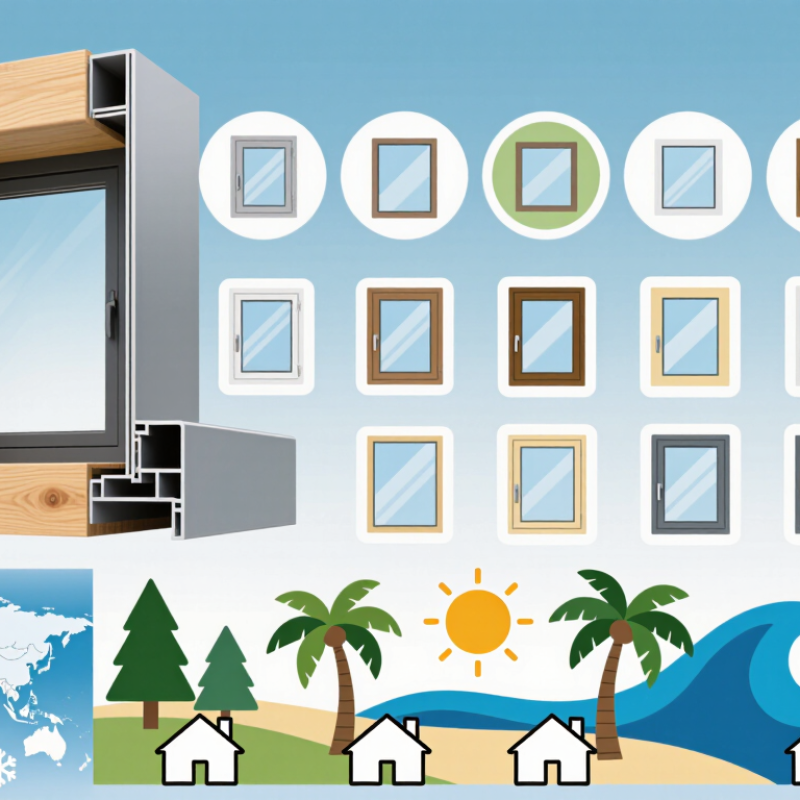
Clad windows combine an interior wood frame with a protective exterior layer, usually aluminum, fiberglass, or another durable material. The cladding blocks rain, ultraviolet exposure, and many dents. Inside, wood adds warmth and can provide useful insulation. The two materials work together, but they do not erase installation risks.
A sealed glass unit controls heat, light, and condensation. Low-emissivity coatings reflect indoor heat during winter and reduce solar heat during summer. The U.S. Department of Energy reports that low-e windows can reduce window-related energy loss by 30–50%. The National Fenestration Rating Council label shows U-factor and solar heat gain coefficient values. Lower U-factor usually means better insulation. SHGC must match the climate, window direction, and shading design. A low number is not always best. That detail is easy to miss.
Tips: Check the drainage path, corner joints, flashing, and sill pan before comparing appearance. ENERGY STAR guidance also supports climate-specific window selection rather than one universal specification. Ask for verified performance data, not only marketing claims. In humid or coastal regions, inspect cladding finishes and fasteners carefully. A perfect window does not exist. Even an excellent unit can fail when installed poorly, and this remains the weak point in many projects.

For global buyers, the best clad window is not simply the strongest frame. It balances climate, glass, drainage, and installation quality. A wood interior offers warmth and repairability, while an aluminum or fiberglass shell resists rain and ultraviolet exposure. The choice changes in coastal areas. Salt air can punish poorly protected metal. In cold regions, seek continuous thermal breaks and insulated frames. They reduce conductive heat flow. In hot climates, a lower solar heat-gain coefficient may matter more than maximum visible light.
UNEP’s 2023 Global Status Report for Buildings and Construction reports that buildings consume about 30% of global final energy. The U.S. Department of Energy also estimates that windows can cause 25–30% of household heating and cooling energy use. Therefore, glazing design deserves close attention. Low-emissivity coatings, argon-filled double glazing, and warm-edge spacers improve comfort near the frame. The National Fenestration Rating Council recommends comparing whole-window U-factor, solar heat-gain coefficient, visible transmittance, and air leakage. Triple glazing can perform well, but added weight increases hardware and installation demands. I would not specify it automatically. A poorly flashed premium unit may leak, while a simpler window with a drained sill can perform better. Check independent test labels, local wind and water ratings, service access, and replacement-part availability before ordering. These details seem ordinary. They often determine long-term performance.
| No. | Clad Window Type | Exterior Cladding | Interior Frame | Typical Glazing Design | Typical U-Factor (Btu/h·ft²·°F) |
Solar Heat Gain Coefficient |
Best-Suited Climate or Use | Main Advantages | Important Buying Considerations | Overall Fit for Global Buyers |
|---|---|---|---|---|---|---|---|---|---|---|
| 1 | Aluminum-Clad Wood Casement | Powder-coated or anodized aluminum | Wood | Double or triple insulating glass; low-emissivity coating; argon or krypton gas | 0.20–0.30 | 0.25–0.45 | Cold, mixed, and temperate climates; energy-efficient residential projects | Strong weather protection, warm interior appearance, narrow sightlines, and excellent ventilation control | Requires careful installation around the cladding, thermal breaks, and proper drainage at joints | ★★★★★ |
| 2 | Fiberglass-Clad Wood Tilt-and-Turn | Fiberglass-reinforced polymer or composite exterior shell | Wood | Triple glazing with warm-edge spacer and low-emissivity coatings | 0.15–0.25 | 0.25–0.40 | Very cold climates, high-performance buildings, and regions requiring inward opening | High thermal stability, durable exterior surface, multipoint sealing, and flexible ventilation positions | Hardware, egress, and operating clearances must comply with local building regulations | ★★★★★ |
| 3 | Vinyl-Clad Wood Double-Hung | Extruded vinyl or impact-modified vinyl | Wood | Double glazing with low-emissivity coating; triple glazing available in colder regions | 0.25–0.35 | 0.25–0.50 | Mixed climates, traditional housing, and projects requiring vertical ventilation | Low exterior maintenance, familiar operation, strong availability, and convenient cleaning from inside | Moving sash seals and balance systems should be checked for air leakage and long-term serviceability | ★★★★☆ |
| 4 | Aluminum-Clad Wood Awning | Finished aluminum exterior | Wood | Double or triple glazing; low-emissivity coating; insulated perimeter spacer | 0.20–0.30 | 0.25–0.45 | Rainy, windy, and mixed climates; openings located below eye level | Top-hinged sash can ventilate during light rain while maintaining good compression sealing | Confirm hardware load ratings, outward projection limits, and correct head flashing details | ★★★★☆ |
| 5 | Composite-Clad Casement | Glass-fiber composite or resin-based exterior material | Wood or composite | Double or triple insulating glass with low-emissivity coating | 0.18–0.30 | 0.25–0.50 | High solar exposure, coastal areas, and climates with large temperature changes | Low expansion and contraction, good moisture resistance, and a stable platform for large sashes | Review coating color stability, replacement hardware availability, and compatibility with local sealants | ★★★★☆ |
| 6 | Thermally Broken Aluminum-Clad Window | Powder-coated, anodized, or fluoropolymer-finished aluminum | Aluminum with a thermal barrier | Double or triple glazing with warm-edge spacer and solar-control coating | 0.25–0.40 | 0.20–0.45 | Modern architecture, warm climates, high wind zones, and large glazed openings | High structural strength, slim profiles, broad size options, and strong resistance to ultraviolet exposure | Thermal-break quality is critical; untreated aluminum frames can create substantial heat transfer and condensation | ★★★★☆ |
| 7 | Wood-Clad Sliding Window | Aluminum, vinyl, or composite exterior cladding | Wood | Double glazing; low-emissivity coating; optional laminated or tempered safety glass | 0.25–0.38 | 0.30–0.55 | Moderate climates, compact rooms, balconies, and areas with limited opening clearance | Space-efficient operation, wide viewing area, and minimal projection into rooms or walkways | Sliding seals may provide less compression than hinged designs; track drainage and cleaning access are important | ★★★★☆ |
| 8 | Impact-Resistant Aluminum-Clad Window | Reinforced aluminum exterior | Vinyl, wood, or composite frame | Laminated impact glass with structural interlayer; low-emissivity option | 0.30–0.50 | 0.25–0.55 | Hurricane-prone, coastal, and high-wind regions | Improved resistance to windborne debris, forced entry, noise, and ultraviolet transmission | Must be tested and certified for the project’s local wind pressure, missile impact, water, and air requirements | ★★★★☆ |
| 9 | Aluminum-Clad Picture Window | Aluminum exterior with durable baked or liquid finish | Wood, fiberglass, or composite | Large fixed insulating glass unit; solar-control or laminated glass options | 0.18–0.32 | 0.20–0.55 | Daylighting, scenic views, passive solar design, and low-maintenance façades | Very low air leakage because there are no operable vents, with excellent daylight and view potential | Requires separate ventilation elsewhere; large panes need correct glass thickness and structural support | ★★★★☆ |
| 10 | Hybrid Aluminum-Composite Folding Window | Aluminum or composite exterior panels | Wood, vinyl, or composite | Double or triple insulating glass; laminated safety glass often used in door-like configurations | 0.25–0.45 | 0.25–0.50 | Warm and temperate climates, indoor-outdoor openings, and wide architectural apertures | Creates a broad opening, supports flexible panel layouts, and combines exterior durability with interior finish choices | Track alignment, panel weight, drainage, weather seals, and installation tolerances strongly affect performance | ★★★☆☆ |
Technical note: Values shown are representative ranges for complete window units, not glass-only values. Actual performance varies with frame size, glazing thickness, spacer type, hardware, testing method, climate, and installation quality. Lower U-factor indicates better insulation; SHGC should be selected according to solar exposure and local climate.
Clad windows combine an interior frame with an exterior protective layer. The common choices are aluminum-clad wood, fiberglass-clad wood, and composite-clad frames. Aluminum cladding offers strong rain and ultraviolet resistance, making it practical for exposed façades. Fiberglass usually expands less than wood during temperature changes. That can support steadier seals. Composite frames often reduce maintenance, but their long-term repair history is less extensive in some markets.
Performance matters more than appearance. The U.S. Department of Energy reports that windows can account for 25–30% of residential heating and cooling energy use. Therefore, buyers should compare U-factor, solar heat gain coefficient, visible transmittance, and air leakage. Lower U-factor generally means better insulation. However, a low number is not automatically ideal for every climate. The National Fenestration Rating Council recommends using certified labels for consistent product comparisons.
Installation changes the result. A premium frame can still leak around an uneven opening. Ask for tested water resistance, air infiltration, and structural performance under AAMA/WDMA/CSA standards. Aluminum-clad systems may need careful thermal-break design in cold regions. Fiberglass can perform well, yet local installers may have less experience with it. That matters.
The imperfect choice remains. A lower-maintenance exterior may bring higher purchase costs. Wood interiors feel warm, but they demand periodic finishing. Global buyers should examine climate, exposure, glazing, installation skill, and service access together, rather than ranking frame material alone.
Global buyers should judge clad windows by climate fit, not appearance alone. The U.S. Department of Energy reports that windows can cause 25–30% of residential heating and cooling energy use. Check the U-factor for heat transfer and the solar heat gain coefficient for sunlight control. Lower U-factors suit cold regions. Lower SHGC values help hot, sunny locations.
Ask for tested air leakage, water resistance, and structural performance. These values should match local wind, rain, humidity, and temperature conditions. A coastal project may need stronger corrosion protection than an inland home. Wood interiors also require stable moisture control. Aluminum cladding protects the exterior, but poor drainage can still create hidden damage. Independent certification and laboratory reports matter more than attractive sample corners.
Tips: Request performance labels, test dates, and installation instructions. Compare identical sizes, not isolated headline ratings. Confirm whether ratings apply to the complete window, including glass, frame, and hardware. ISO 10077 provides methods for calculating thermal performance, while international building guidance stresses climate-specific design. The International Energy Agency’s Energy Efficiency 2023 report also identifies buildings as a major global energy-use sector, making small envelope decisions meaningful. Yet a perfect window does not exist. A highly rated unit may fail after careless installation. Inspect flashing, sill drainage, and perimeter sealing on site. 马会
There is no single best clad window for every climate or building code. This 10-point checklist uses a practical evaluation weighting to help global buyers compare products without relying on brand names. Verify each item against local regulations and recognized standards such as NFRC, ENERGY STAR, ASTM E331, AAMA/WDMA/CSA A440, and ISO 10077.
How to use it: Give each candidate a score from 0 to 10 for every category, multiply it by the weighting shown, and compare the total. Thermal insulation, weather resistance, air leakage, and structural performance receive the highest priorities because they strongly affect energy use, comfort, durability, and installation risk.
Matching clad windows to climate starts with exposure, not appearance. In a coastal home, salt air attacks weak finishes and exposed hardware. Choose corrosion-resistant exterior cladding, sealed joints, and tested drainage paths. Humid regions also need careful condensation control. Low-emissivity glass helps, but it cannot repair poor installation. Ask for independent thermal and air-leakage data. Check the frame, glass, spacer, and installation details together.
Cold climates need insulated frames, warm-edge spacers, and suitable low-E coatings. Argon-filled glazing can reduce heat loss when seals remain sound. In hot, sunny regions, solar-control glass may matter more than maximum insulation. Deep overhangs and exterior shading can lower indoor heat. Dry desert air does not eliminate dust problems. Use robust seals and accessible cleaning details. High-wind zones require tested structural ratings matched to the opening size.
I once treated glazing ratings as the main selection shortcut. That was too simple. Orientation, room use, and shading changed the result. A south-facing bedroom may need different glass from a shaded hallway. Buyers should compare certified performance values, local weather data, and installer experience. Request details in writing. Small gaps can become large comfort problems. No perfect specification exists; practical compromises deserve honest review.