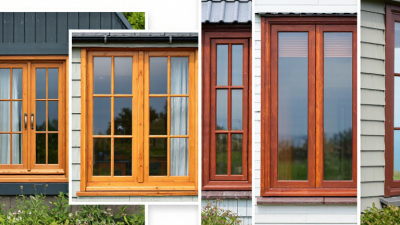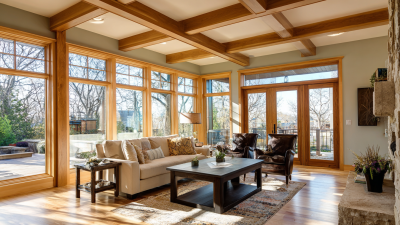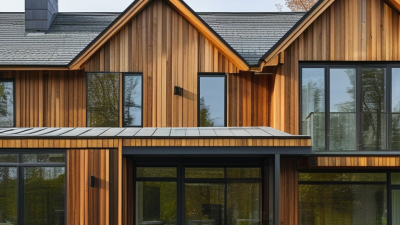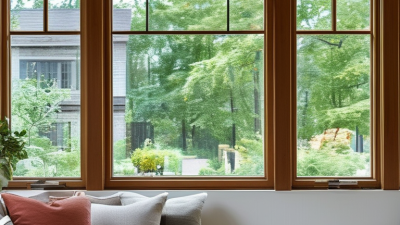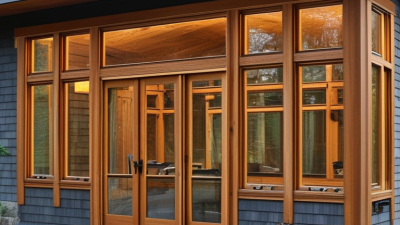
Choosing replacement timber windows is not just a matter of matching the old frames. The right choice should suit your home’s architecture, improve comfort, and withstand years of changing weather. Look closely at the existing windows: note the frame profiles, glazing-bar pattern, opening style, and paint finish. A narrow sash in a Victorian terrace needs a different approach from a broad casement in a country cottage.
Before ordering, compare timber species, frame construction, glazing options, and maintenance needs. Ask suppliers how their windows are made, finished, installed, and supported after purchase. Check that measurements account for uneven openings; even a small mismatch can leave visible gaps or make a sash difficult to open. Think about how much upkeep you can manage, too. Some finishes need more frequent attention than others.
The detail matters.
A qualified timber-window specialist can assess the building and explain suitable options, but I can’t verify a named expert’s quotation from the material provided. Rather than inventing an attribution, use this practical principle: “Choose windows that respect the home’s character and perform well in its actual conditions.” This guide will help you weigh appearance, durability, energy performance, and cost before choosing Replacement Timber Windows for your home. Check claims against product specifications, written warranties, and advice relevant to your property. A beautiful frame is only part of the decision. Installation quality can shape how well it performs for years.
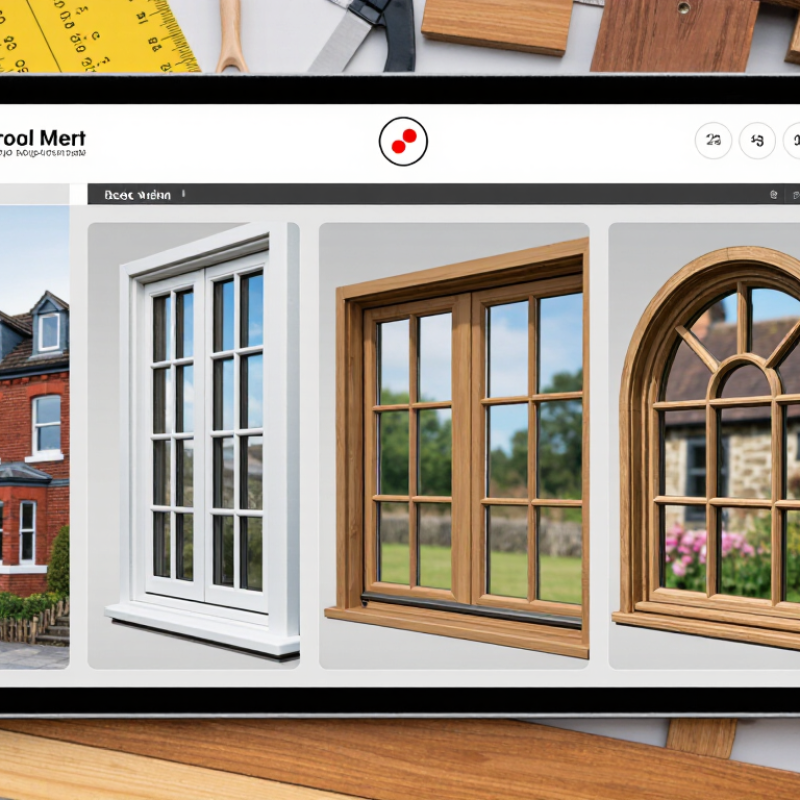
Before choosing replacement timber windows, inspect each opening rather than relying on the old frame’s stated size. Measure width and height at several points, then compare the diagonals; older houses often have openings that are slightly out of square. Check the sill and jambs with a blunt tool for soft, damp timber. A neat-looking frame can hide decay. Note wall thickness, trim depth, and how the existing window opens, since these affect fitting and clearance.
Exposure matters, too. A south-facing window may receive strong sun, while a windward elevation can take driving rain. Look for peeling paint, swollen joints, or water marks after wet weather. These clues help determine what detailing and maintenance the replacement may need. I once overlooked a shallow exterior sill during a survey; it changed how water drained. Small details count.
Check local building requirements before ordering. Rules can differ by location and may cover energy performance, ventilation, escape openings, safety glass, or changes to protected façades. Ask the relevant building department or a qualified local professional which standards apply to your address. Keep written guidance and confirm whether approval is needed. Requirements vary. Do not assume a like-for-like replacement is automatically exempt, especially in a historic area or where the opening size will change.
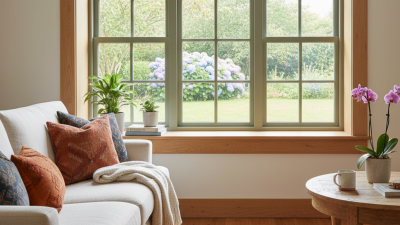
Choosing replacement timber windows starts with the species. Oak is dense and durable, while Accoya-treated or modified softwoods can offer stable performance with careful finishing. Pine is often more affordable, but it needs sound detailing and regular paint maintenance. Feel a sample if possible: grain, weight, and finish can differ more than photographs suggest. No species fixes poor installation.
Frame construction matters just as much. Ask how joints are made, how water drains from the sill, and whether end grain is protected. A well-built frame should shed rain rather than trap it. Check glazing specifications and seals, too; even excellent timber can feel drafty when gaps are poorly fitted. Request written details, not only a general promise of quality.
Tips: Look for credible sourcing evidence, such as FSC or PEFC certification, and verify that the certificate applies to the timber product. Ask your supplier for documentation and the chain-of-custody details. Certification is useful, but it does not tell the whole story. Consider local availability, repairability, coatings, and the window’s expected lifespan. I would compare these factors on paper, though real maintenance habits are harder to predict. Choose a finish you can realistically inspect and renew, especially on exposed south- or west-facing elevations.
Indicative thermal conductivity of common window-frame woods (lower values mean less heat conducted through the wood itself).
Typical dry-wood values are approximate and vary with species, density, and moisture. Whole-window performance also depends on glazing, frame construction, and seals. Compare frame details and look for credible responsible-sourcing certifications such as FSC or PEFC.
When comparing replacement timber windows, look for the NFRC whole-window U-factor on each product’s certification label. This rating measures heat transfer through the complete window, including glass, frame, and spacers. Lower numbers generally mean less heat escapes in winter. Check the whole-window figure, not a center-of-glass value; the latter can make performance look better than it is.
ENERGY STAR’s 0.22–0.32 range offers a practical benchmark, but requirements can vary by climate zone and product category. Treat it as a comparison range, not a universal pass mark. A window rated 0.22 may reduce heat loss more than one rated 0.32, yet installation quality and air leakage also affect comfort. Ask for the certified rating and confirm it applies to the exact size and configuration you plan to buy.
Timber frames can feel warm and suit older homes, but inspect their finish and maintenance needs. Look closely at the corners, seals, and glass edges. A small gap can matter. I once focused too much on the advertised glass specification and overlooked the frame rating; that was a useful, if slightly annoying, reminder. Compare whole-window ratings side by side, then weigh them against your local climate and the condition of your existing openings.
Choose glazing for the conditions each window faces, not just the coldest day of the year. A north-facing room may benefit from low-emissivity double glazing with a warm-edge spacer, while a sun-exposed room may need solar-control glass to limit summer heat. Triple glazing can improve insulation, but it adds weight and may not suit every frame or budget. More glass is not automatically better.
For street noise, consider laminated glass or panes of different thicknesses. These can reduce some sound, though gaps around the sash can undermine the benefit. Ask for the whole window’s acoustic rating, not just a glass specification. Small details matter. Check that weather seals compress evenly when the sash closes, and inspect the meeting rails, corners, and sill drainage. Old openings are often slightly out of square; a careful site measurement helps prevent draughts.
Condensation needs more than a new pane. Better glazing can keep the inner glass warmer, but indoor moisture still needs a way out. Use extractor fans in kitchens and bathrooms, and keep trickle ventilation where appropriate. Not always. A very tight seal may expose poor ventilation elsewhere. Ask the installer how the proposed seals, drainage paths, and room ventilation work together before settling on the final specification.
Before ordering replacement timber windows, ask how the installer will meet local building requirements and the window manufacturer’s written instructions. The U.S. Department of Energy estimates that windows account for 25–30% of residential heating and cooling energy use. Poor fitting can undermine that performance. Ask for a written installation scope covering sill support, flashing, drainage paths, and air sealing. On site, look for continuous seals and clear drainage openings, not foam hiding gaps. Small details matter.
Read the warranty before paying a deposit. Check whether it covers the frame, glazing, hardware, finish, and installation separately. Note the claim period, exclusions, and whether coverage transfers to a new owner. Some warranties require regular repainting or prompt repairs; missed upkeep may affect a claim. Get those duties in writing.
The USDA Forest Products Laboratory’s Wood Handbook explains how moisture affects wood and decay, so inspect exposed end grain, joints, and lower corners after heavy rain. Keep paint intact, clear debris from drainage channels, and repair cracked sealant early. Timber needs attention. Honestly, maintenance schedules vary with exposure, and a sheltered north-facing window may age differently from one facing driving rain. Have the installer explain what to inspect each year, and keep dated photos and service records.