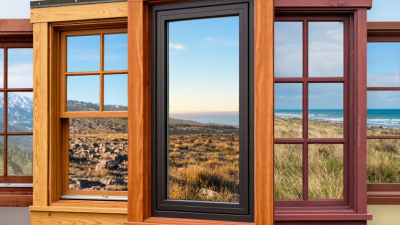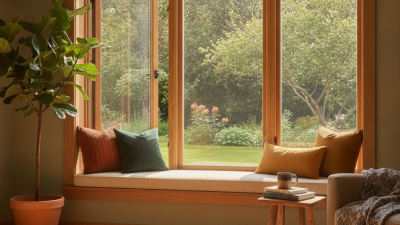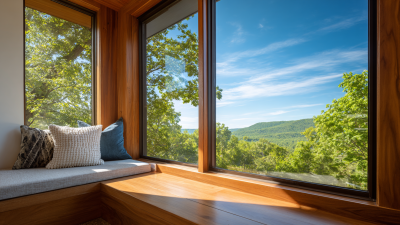
Choosing the best Wood Windows for your home means balancing appearance with measurable performance. Wood brings natural warmth, can be painted or stained, and suits many architectural styles. Yet its performance depends on the whole window—not just the frame. Glass type, seals, installation quality, and local weather all matter. Small details matter.
The U.S. Department of Energy estimates that heat gain and heat loss through windows account for 25%–30% of residential heating and cooling energy use. That figure makes window selection more than a design decision. Compare National Fenestration Rating Council (NFRC) labels, especially U-factor and Solar Heat Gain Coefficient (SHGC), then check ENERGY STAR guidance for your climate zone. Ratings help with comparison, but they do not promise lower bills in every home; installation and existing insulation also affect results.
Wood windows also need realistic maintenance planning. Sun, rain, and damp conditions can wear finishes, especially on exposed exterior surfaces. Consider the wood species, finish options, warranty terms, and how easily the sash and hardware can be serviced. Ask installers about flashing, air sealing, and moisture management—not only the quoted price. A beautiful sample is not the full story. The best choice may be a wood interior with a protected exterior, or a simpler design that is easier to maintain. There is no perfect window. A careful comparison of climate, ratings, upkeep, and budget can help you choose with fewer surprises.
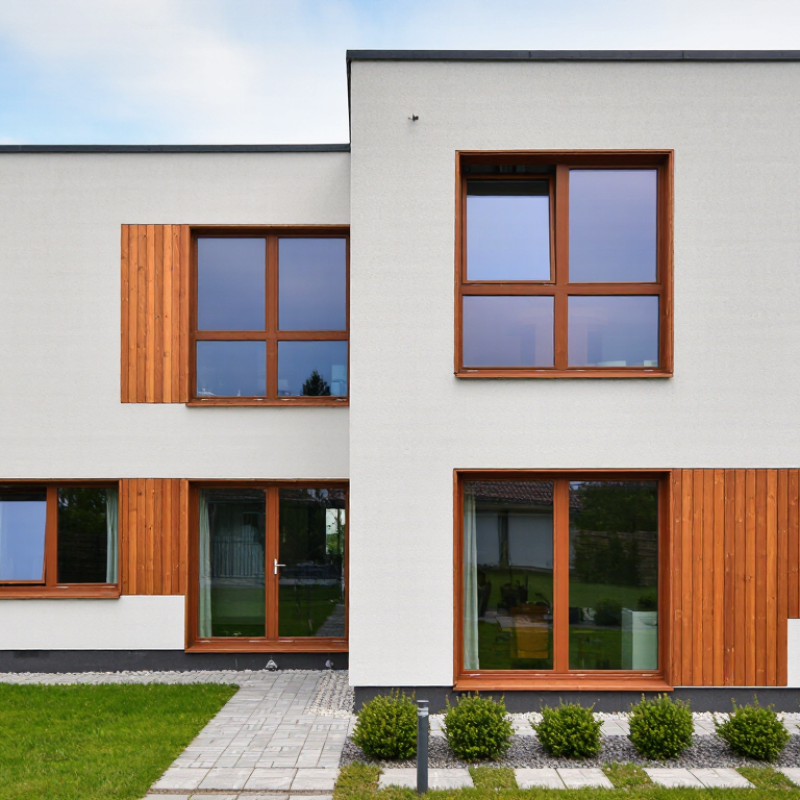
Before choosing wood windows, look closely at the conditions around your home. In a damp climate, frequent rain and slow-drying walls can challenge exterior finishes. Good drainage, carefully sealed joints, and a durable paint or stain system matter. In colder regions, ask how the window assembly manages indoor moisture and limits drafts. Local climate is only part of the picture.
Orientation changes how much stress each window receives. South- and west-facing windows often get stronger afternoon sun, which can fade finishes and heat the glass. North-facing openings may stay shaded and damp longer. Walk around the house at different times of day. Notice where rain strikes, where snow collects, and whether trees block sunlight. Small details matter.
Exposure can vary from one wall to another. A sheltered porch and a wind-facing upper floor do not need identical consideration. Look for overhangs, splashback near the sill, and signs of peeling paint or soft wood. These clues can help guide choices about finish, maintenance, and installation. I would not assume one coating solves everything; even a well-made window needs inspection and upkeep. A local window professional can assess site conditions, though I would still ask how their recommendations account for each elevation.
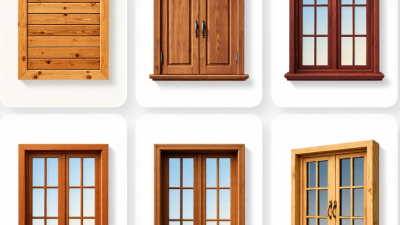
When comparing wood windows, read the NFRC label rather than judging by frame material alone. Its U-factor estimates heat flow through the complete window, including the frame and glass; lower numbers generally mean better insulation. ENERGY STAR Version 7.0 targets vary by climate zone and product type, so treat 0.22–0.32 as a comparison range, not a universal pass mark. Check the current criteria for your location.
A window rated near 0.22 may help limit winter heat loss in a cold climate, while a value closer to 0.32 may suit a milder region or a different product category. Small differences matter less if the window is poorly installed. Look for careful sealing around the frame, and ask how the unit performed under NFRC testing. Also compare the solar heat gain coefficient: a low U-factor alone does not tell you how much sunlight the glass admits. That can affect comfort beside a bright south-facing window. Wood frames feel warm and can be repaired, but finishes need periodic attention. Not glamorous, but important. If a sales sheet shows a target without a climate zone or product type, ask for clarification before comparing prices.
Match the window’s AAMA/WDMA/CSA performance grade to your project’s design pressure and water exposure. Design pressure reflects expected wind loads, while water resistance indicates how a tested window handles pressurized rain. They are related, but they are not interchangeable. A higher grade is not automatically the right choice. Consider your home’s height, location, terrain, and exposure to wind-driven rain. A sheltered porch and an exposed upper-floor wall may need different performance levels. Check that the tested rating applies to the window’s size and configuration, not just a similar-looking model.
Tips: Ask your designer or supplier to confirm the required design pressure and water-test rating for each elevation. Pay special attention to corners, large openings, and walls facing prevailing storms. Also review installation details: even a well-rated window can leak if flashing and drainage are poorly planned.
One easy-to-miss detail is the gap between laboratory ratings and real installation conditions. A rating gives useful evidence, not a promise against every leak. In a rainy, windy climate, discuss the project’s water exposure with a qualified building professional and check applicable local requirements. Keep the product documentation with your project records. If the proposed grade seems generous, ask what conditions justify it; if it seems low, ask again. It is worth questioning the numbers.
Choose wood based on exposure and upkeep, not appearance alone. Oak is dense and durable, while pine is lighter and often needs more careful protection outdoors. Species performance also depends on how the frame is made and sealed. Check that joints fit tightly and that water can drain from the sill. Details matter.
Exterior cladding, such as aluminum, shields the wood from rain and strong sun while keeping a natural wood finish indoors. It can reduce routine painting, but inspect corners and drainage channels for trapped debris. In sheltered settings, unclad wood may be suitable if you are willing to maintain its finish. The right choice depends on local weather and how much care you can realistically provide. That can be hard to judge.
Glazing affects comfort as well as durability. Double glazing with low-emissivity glass can help limit heat loss, while solar-control glass may be useful on sunny exposures. Ask a qualified window professional to assess orientation, frame size, and local climate before selecting glass. Finish matters, too: use a coating intended for exterior wood, and check it regularly for peeling or hairline cracks. Recoat before bare wood is exposed. Maintenance schedules vary, so treat them as guidance rather than a promise.
When comparing wood windows, look beyond the frame and ask how the opening will be prepared. A careful installer checks that the sill is level, flashing directs water outward, and the gap around the frame is insulated without blocking drainage. Ask who handles these steps and whether the quote includes interior trim and exterior sealing. Small gaps matter. Request written measurements and a clear installation scope before work begins.
Read the warranty closely. Coverage may differ for the frame, glass seal, finish, and installation labor, and exclusions can apply when water damage results from poor upkeep. Check how long coverage lasts, what proof of maintenance is required, and who handles a service claim. Keep the contract, product specifications, and dated photos together. Fine print is easy to overlook.
Long-term costs depend on exposure, finish, and how much upkeep you can realistically manage. A sunny, rain-facing wall may need more frequent inspection and refinishing than a sheltered side of the house. Budget for cleaning, paint or stain touch-ups, and occasional hardware adjustments, not just the purchase price. Ask for a maintenance schedule and local labor estimates. I would not assume every wood window needs the same care; even a sensible schedule can miss what your climate does to one particular wall.
| Decision Area | What to Check | Practical Guidance | Long-Term Cost or Risk |
|---|---|---|---|
| Wood and construction | Species, wood treatment, joinery, and whether the exterior is protected by cladding or a durable finish. | Compare the complete window assembly, not just the wood species. Weather exposure, finish quality, and construction details all affect durability. | More exposed wood generally needs more frequent inspection and finish upkeep. Cladding can reduce exterior refinishing, but does not eliminate maintenance. |
| Climate and exposure | Rain, humidity, strong sun, temperature swings, and the direction each window faces. | Ask whether the proposed finish and window design are suitable for local conditions. Pay particular attention to unshaded elevations and areas exposed to wind-driven rain. | Harsh exposure can shorten finish life and increase repair or repainting costs. Shading and well-maintained drainage can help reduce weather-related wear. |
| Installation and water management | Flashing, sill pan or equivalent drainage detail, integration with the water-resistive barrier, and sealing around the frame. | Request written installation details. The assembly should direct water outward, while perimeter air sealing and insulation should not block intended drainage paths. | Poor installation can lead to leaks, concealed moisture, and damage to the frame or surrounding wall. Repair costs can be much higher than routine maintenance. |
| Fit, operation, and air sealing | Opening measurements, frame squareness, sash operation, weatherstripping, and locking hardware. | Have the installer confirm that the window opens, closes, and locks smoothly after installation. Ask how the rough opening will be insulated and air sealed. | Incorrect fit or adjustment can cause drafts, difficult operation, and premature hardware wear, potentially adding service or energy costs. |
| Glass and energy performance | Glazing configuration, low-emissivity coating, gas fill where specified, and independently rated performance figures. | Compare whole-window ratings, such as U-factor and solar heat gain coefficient, using values appropriate for the home’s climate and orientation. | Higher-performing glazing may have a higher upfront price. Actual energy savings depend on climate, existing windows, installation, and household use. |
| Warranty coverage | Separate terms for the frame, sash, glass, hardware, finish, and installation labor; exclusions and transferability. | Read the written warranty before purchase. Check required maintenance, claim procedures, coverage limits, and whether labor or removal and reinstallation are included. | Warranty periods and exclusions vary. Damage related to improper installation, neglected maintenance, or water intrusion may not be covered. |
| Routine maintenance | Inspection of paint or stain, joints, glazing seals, weatherstripping, hardware, and drainage openings. | Follow the care instructions for the specific window. Inspect regularly, keep drainage paths clear, and repair cracked or peeling finishes before exposed wood deteriorates. | Maintenance frequency depends on finish, exposure, and local weather. Budget for periodic cleaning, finish touch-ups, and eventual refinishing where exterior wood is exposed. |
| Repairability and replacement parts | Availability of compatible sash, hardware, weatherstripping, glass units, and finish materials. | Ask how parts can be ordered and whether common components can be repaired or replaced without removing the entire window. | Serviceable components can help avoid full-window replacement, though parts availability and labor costs vary by product and region. |
| Total ownership cost | Purchase and installation price, maintenance, likely repairs, and expected service life under the home’s conditions. | Compare itemized local quotes and include installation scope, finish options, warranty terms, and maintenance requirements in the comparison. | There is no universal lifetime cost: local labor rates, window size, exposure, product specifications, and maintenance habits all affect the total. |